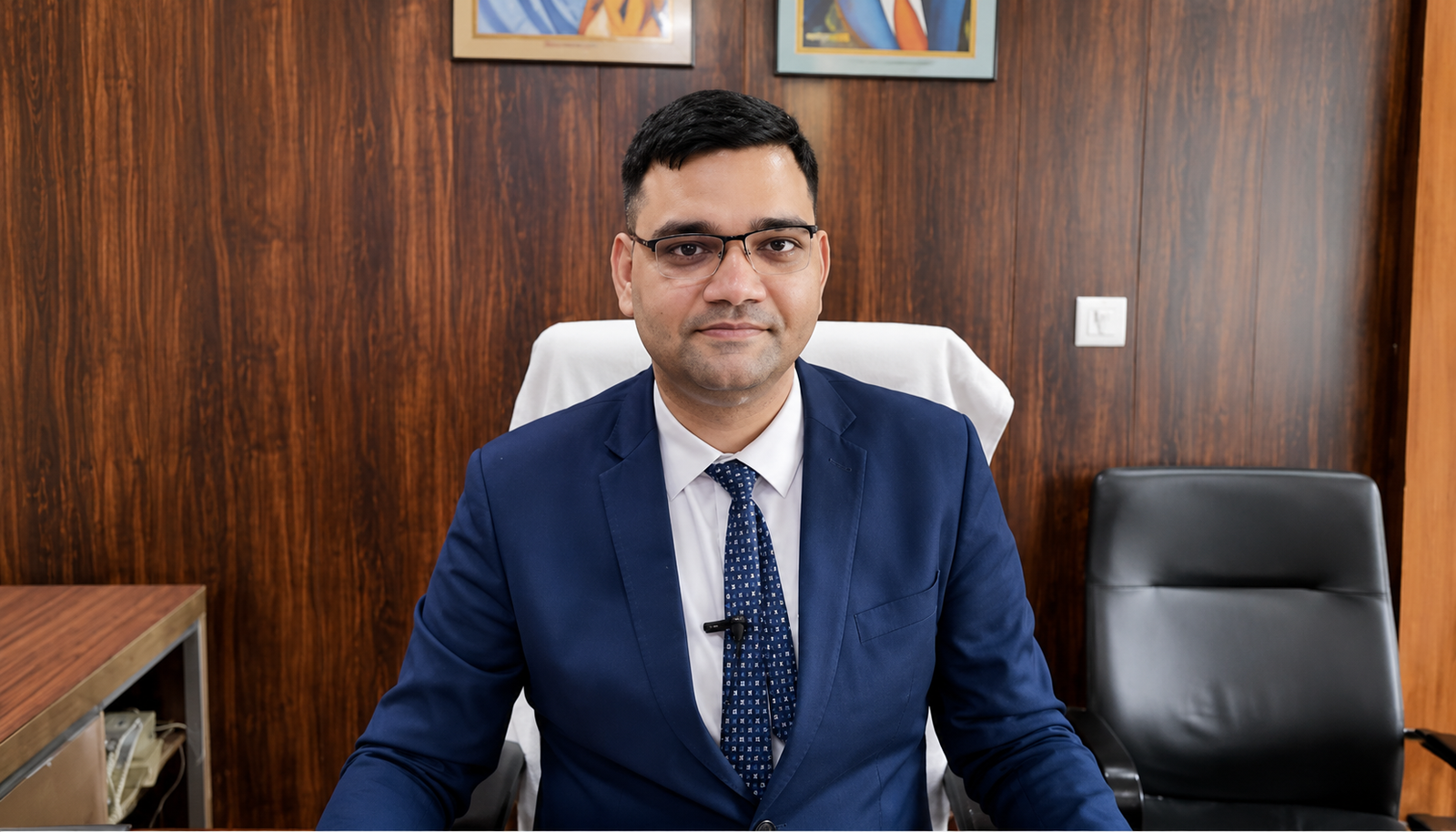
The UP cadre IAS officer, currently posted as SDM (Judicial) in Jalaun, has again put himself out there. Through social media posts this week, he’s openly alleged large-scale corruption in the outsourcing of government vehicles and taken aim at senior officials. He’s also claimed that his earlier transfer was tied to his efforts to bring more transparency into the system.
Rahi, who has a long history of calling out irregularities, wrote to the Labour Commissioner and Transport Commissioner on Monday. In those communications, and in his public posts on X, he pointed to a Bolero vehicle provided to him through outsourcing from the Jalaun Collectorate. The vehicle came via Honey Enterprises of Mainpuri, selected through the GeM portal. According to him, the vehicle appeared to lack basic requirements, including a proper yellow commercial number plate. He raised questions about how a vehicle without the mandatory registration features was being used for official work.
He went further. Rahi alleged that drivers engaged under these arrangements are paid only around Rs 6,000 a month, and even that amount often remains unpaid for several months. In his view, tenders are being awarded at unrealistically low rates through collusion, with assurances of standards being followed only on paper. “I don’t know why, but corruption just doesn’t leave. Wherever you look, it is present,” he wrote, adding that there is tremendous corruption in this outsourcing and open exploitation of drivers. He shared these points publicly, making it clear he believes the system is being gamed.
The next day, Rahi posted again. Without naming individuals directly, he appeared to target his district-level superiors. He said a senior well-wisher had told him astonishing things—that his boss in the district was putting full effort into destroying him, even reaching up to Lucknow. He thanked social media, saying everyone is afraid of it, and suggested that without the platform something more serious might have happened to him by now. These posts have once again put the spotlight on an officer who rarely stays quiet.
This is not Rahi’s first brush with controversy in Jalaun. Earlier this year, while serving as SDM of Jalaun tehsil, he was transferred to the judicial SDM post at Orai following an alleged altercation with BJP block pramukh Ramraja Niranjan during a cold storage inspection on 23 June. The block pramukh accused him of inappropriate behaviour, an attempt to slap, and pushing. CCTV footage was submitted, and an inquiry was ordered. Rahi maintained the allegations were motivated because shortcomings had been found during the inspection. The transfer was described by some officials as routine administrative exercise, but Rahi has linked such moves to his attempts to clean up processes.
In a letter he wrote in July to the state’s Appointment and Personnel Department, Rahi alleged that his transfer came because he tried to establish basic governance in the tehsil—promoting transparency, accountability, and evidence-based grievance redressal. He claimed he had introduced WhatsApp-based groups connecting officials with citizens for real-time social audit of government work. These efforts, he said, helped flag irregularities in schemes, revenue records, tenders, development projects, and illegal encroachments. Action on those issues, according to him, was delayed or not taken. He even suggested that if the government could not give him a full day’s meaningful work, his salary should be cut by half.
Rahi’s background makes these stands unsurprising to those who have followed him. Before joining the IAS (2023 batch), he served as a PCS officer. In 2008-09, while posted as District Social Welfare Officer in Muzaffarnagar, he exposed a major scholarship and pension scam involving tens of crores. That led to a brutal attack in March 2009 in which he was shot multiple times, suffered severe injuries, lost vision in one eye, and sustained permanent damage. He has spoken often about how attempts to enforce rules invite resistance and isolation. Earlier this year he even offered a technical resignation, arguing that drawing a salary without real responsibility is itself a form of corruption, before withdrawing it after assurances.
What stands out is the consistent pattern. Rahi uses official letters and public posts to put things on record. He argues that social media has become a shield because higher-ups fear exposure. Critics and those on the other side of the disputes have accused him of abrasive style and overreach. Subordinates and local leaders have raised complaints about his working methods in the past. Supporters see him as one of the few willing to name problems instead of managing them quietly.
As of now, the allegations regarding vehicle outsourcing are with the commissioners. There has been no detailed public response from the district administration or the firms involved in the latest posts. The earlier inquiry into the cold storage incident remains part of the administrative record. Rahi continues in the judicial SDM role in Jalaun district, still posting and still writing.
In a system where officers are often advised to keep their heads down, Rahi’s approach is different. He keeps raising the same issues—transparency, proper procedures, fair treatment of contractual staff, and resistance to parallel work cultures that sideline rules. Whether his latest claims lead to concrete inquiries or further transfers will depend on how the state machinery responds. For the moment, the posts are public, the letters are on record, and the conversation around one officer’s persistent allegations continues.
Sources:
The Print (reports dated September 2026 and July 2026), Amar Ujala, Hindustan, India Today, and related coverage of Rahi’s letters and social media posts.
@Rohit Manral