Politics has undergone a significant transformation in the digital age. Social media platforms have become powerful tools for communication, outreach, and influence, fundamentally changing how politics operates in India.
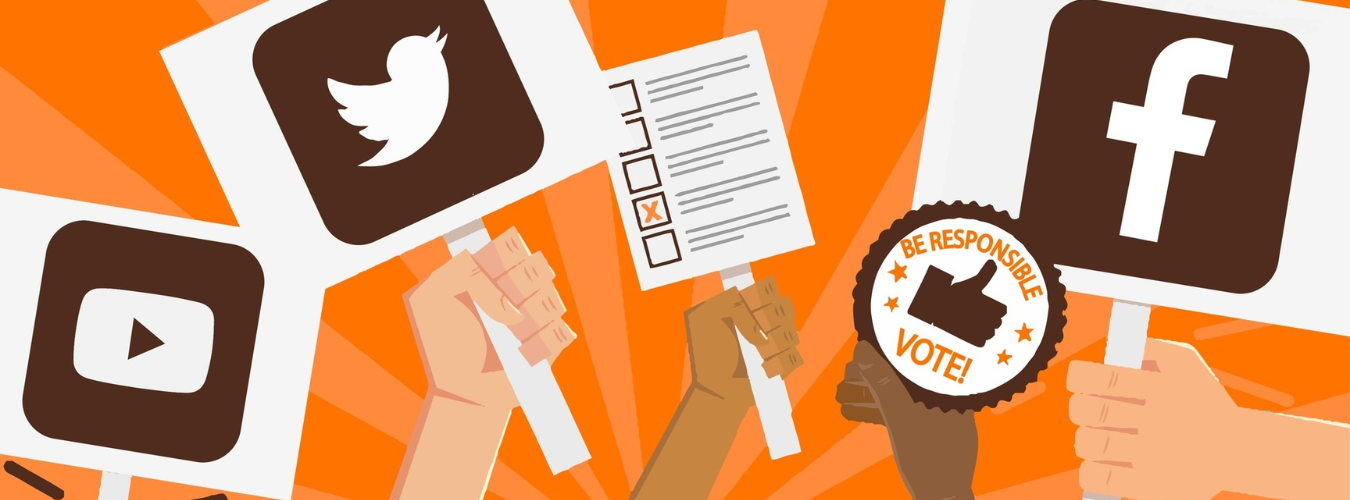
Leaders no longer rely solely on rallies and traditional media. They can now communicate directly with citizens through platforms like Instagram, YouTube, and X (formerly Twitter). This has made political communication faster, more engaging, and more accessible.
At the same time, social media has also become a space for misinformation and propaganda. False narratives can spread rapidly, influencing public opinion before facts are verified. This makes digital literacy more important than ever.
One of the biggest advantages of social media is that it gives a voice to the common citizen. People can express their views, question leaders, and participate in national conversations without any barriers.
However, with this power comes responsibility. Users must verify information, avoid sharing unconfirmed news, and engage in constructive discussions.
Social media is not just a tool—it is a force shaping modern democracy. How it is used will determine whether it strengthens or weakens the political system.