The Importance of Questioning Your Leaders

The Importance of Questioning Your Leaders Democracy is built on accountability, and accountability begins with questioning. A system where citizens do not question their leaders risks becoming weak and unbalanced. Supporting a political party or leader is a personal choice, but blind support can be harmful. True democracy encourages debate, discussion, and constructive criticism. Questioning policies and decisions ensures that leaders remain responsible and transparent. When citizens ask questions, they demand better governance. They push for clarity, efficiency, and fairness in decision-making. This ultimately leads to stronger institutions and improved public trust. It is important to understand that questioning does not mean opposing—it means participating. It reflects awareness and involvement in the democratic process. A healthy democracy is one where citizens are active, informed, and unafraid to ask questions. Silence, on the other hand, can allow inefficiencies and mistakes to go unchecked. Strong nations are not built by silent followers but by active and aware citizens.
How Social Media is Changing Indian Politics

How Social Media is Changing Indian Politics Politics has undergone a significant transformation in the digital age. Social media platforms have become powerful tools for communication, outreach, and influence, fundamentally changing how politics operates in India. Leaders no longer rely solely on rallies and traditional media. They can now communicate directly with citizens through platforms like Instagram, YouTube, and X (formerly Twitter). This has made political communication faster, more engaging, and more accessible. At the same time, social media has also become a space for misinformation and propaganda. False narratives can spread rapidly, influencing public opinion before facts are verified. This makes digital literacy more important than ever. One of the biggest advantages of social media is that it gives a voice to the common citizen. People can express their views, question leaders, and participate in national conversations without any barriers. However, with this power comes responsibility. Users must verify information, avoid sharing unconfirmed news, and engage in constructive discussions. Social media is not just a tool—it is a force shaping modern democracy. How it is used will determine whether it strengthens or weakens the political system.
Freebies vs Development: What Should Voters Choose?
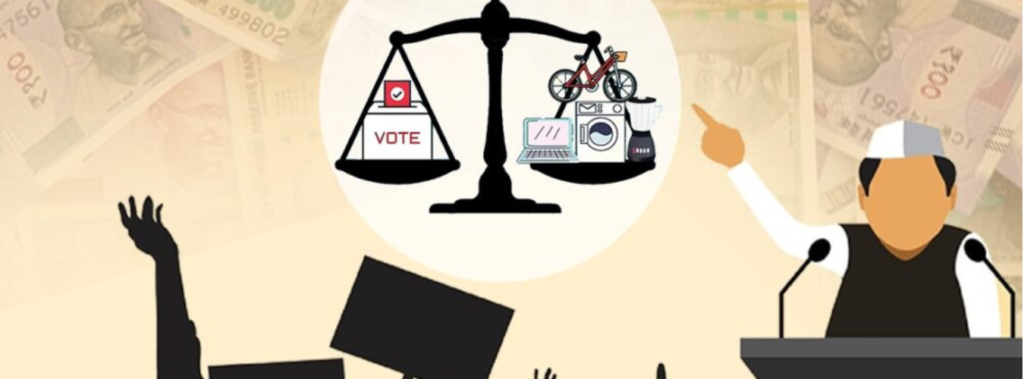
Freebies vs Development: What Should Voters Choose? Election seasons often bring a wave of promises—free electricity, cash transfers, subsidies, and various welfare schemes. While these offers may seem attractive, they raise a critical question: are voters choosing short-term relief over long-term development? Freebies can provide immediate support to economically weaker sections, but they also put a significant burden on government finances. Excessive dependence on such schemes can slow down investments in infrastructure, education, healthcare, and job creation. Development, on the other hand, focuses on building sustainable systems. Better roads, quality education, employment opportunities, and strong healthcare systems create long-term benefits for society. The real challenge for voters is to strike a balance. Welfare policies are necessary, but they should not come at the cost of economic growth and stability. A responsible voter looks beyond immediate benefits and evaluates policies based on their long-term impact. The focus should shift from “What am I getting today?” to “What kind of future is being built?” In a democracy, the power to choose lies with the people. Choosing wisely shapes the direction of the nation.
Youth in Politics: Why India Needs a New Generation of Leaders

Youth in Politics: Why India Needs a New Generation of Leaders India is one of the youngest countries in the world, with a significant portion of its population under the age of 35. Despite this, youth representation in politics remains limited. This gap raises an important question—how can a young nation be governed without strong participation from its youth? Young leaders bring fresh perspectives, innovation, and a better understanding of modern challenges such as unemployment, digital transformation, climate change, and education reforms. They are more connected to the realities of today’s generation and can bridge the gap between governance and public expectations. However, barriers such as lack of resources, political backing, and exposure often discourage young individuals from entering politics. Traditional political structures also tend to favor experience over new ideas, making it harder for fresh voices to emerge. With the rise of digital platforms, today’s youth are already influencing political narratives. Social media has given them a voice, allowing them to question policies, express opinions, and mobilize support. The need of the hour is to convert this digital influence into real-world leadership. Encouraging youth participation in politics is not just beneficial—it is essential for a progressive and future-ready nation. A country that empowers its youth in governance secures its future.
Why Civic Awareness is the Real Power of Democracy
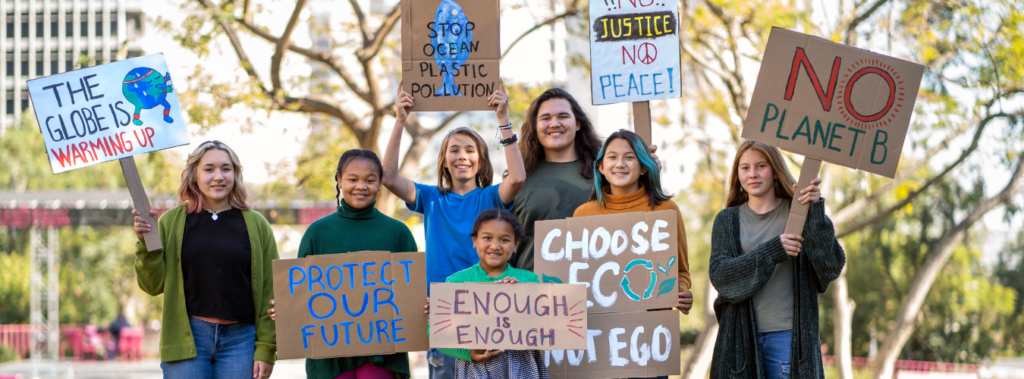
Why Civic Awareness is the Real Power of Democracy Democracy is often reduced to a single act—voting. However, the true strength of a democratic nation lies far beyond election day. Civic awareness, the understanding of one’s rights and responsibilities as a citizen, is the real foundation of a functioning democracy. In today’s fast-paced digital world, citizens are constantly exposed to information. While this has made politics more accessible, it has also increased the spread of misinformation. An aware citizen does not just consume information but questions it, verifies it, and understands its impact. Civic awareness ensures that people actively participate in governance. This includes staying informed about policies, questioning leaders, engaging in public discourse, and holding authorities accountable. A society that is politically aware is less likely to be misled and more likely to demand transparency and efficiency. Platforms like Civic Code aim to bridge the gap between complex political developments and everyday citizens by simplifying information and encouraging informed discussions. In the end, democracy does not survive on votes alone—it thrives on awareness. An informed citizen is not just a participant in democracy but its strongest pillar.