Rachita Juyal: The IPS Officer Who Cleared UPSC in Her First Attempt
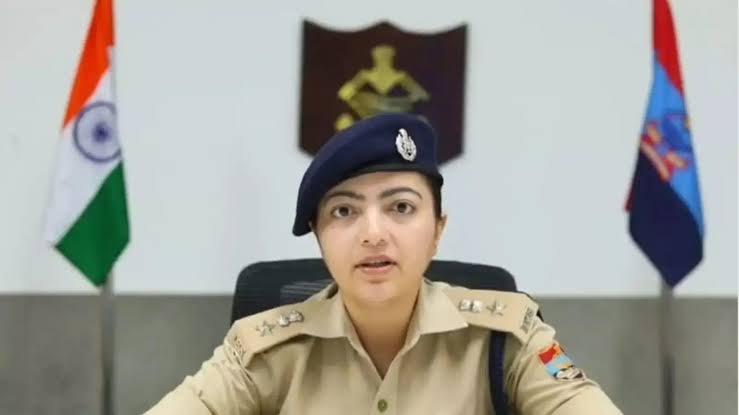
Rachita Juyal, a former Indian Police Service officer of the 2015 batch of the Uttarakhand cadre, passed the UPSC exam on her first attempt. She served as Superintendent of Police (Vigilance). She was born in Dehradun. Her father, B.D. Juyal, was an inspector in the police department, and her grandfather, J.P. Juyal, was also a police officer, who inspired her to join the police service from an early age. She received her primary education from Carbon School in Dehradun, and her higher education, including a BBA and MBA, from a private university. She then began preparing for the UPSC CSE 2014, securing an all-India rank of 215, becoming an IPS officer.During her 10-year tenure, she held several important positions, including Superintendent of Police (Vigilance), and resigned from her post in 2015. She is primarily known for her strict action against corruption and impartial investigations of high-profile cases. Known for her active involvement in social causes and social service, she has been honored several times at the local level for her work during the COVID-19 pandemic and on a regular basis through various NGOs. Her main works: Haridwar Municipal Corporation Land Scam This has been the most controversial case of her career. Rachita Juyal was appointed to lead a five-member special vigilance team formed on the instructions of Uttarakhand Chief Minister Pushkar Singh Dhami. Following an impartial investigation, she suspended two IAS officers, one PCS officer, and approximately 12 other government officials and employees. The investigation resulted in the cancellation of land claims related to the scam and the recovery of any losses to the government treasury. Crackdown on corruption within the police department. While serving as Vigilance Superintendent of Police, she took action against corrupt elements within the police department, catching the Dehradun ISBT outpost in-charge red-handed while accepting bribes and sending him to jail. This strong action was widely discussed in the court circles. Cyber Crime and Safety of Devotees During the Char Dham Yatra, she launched a campaign against cybercriminals who were duping pilgrims from India and abroad under the guise of helicopter tickets and tour packages. Under her direction, the Uttarakhand Police blocked more than 37 fake social media platforms and fake websites that were defrauding devotees by posing as IRCTC. Administrative and Regional Appointments She also served as ADC to the Governor of Uttarakhand, where she handled important protocol and administrative tasks for the Governor. She held the positions of Senior Superintendent of Police (SSP) and Superintendent of Police (SP) in districts like Almora and Bageshwar, where she focused on strengthening local law and order and women’s safety.
Dr. turns IPS Officer, Kunwar Bhushan Singh, leading railway policing in Siliguri
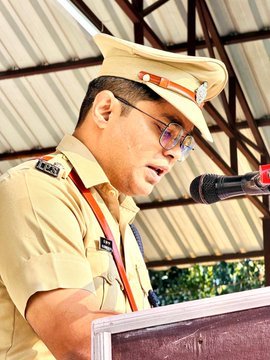
Dr. Kunwar Bhushan Singh is an Indian Police Service (IPS) officer of the 2014 batch, belonging to the West Bengal cadre. He was appointed through direct recruitment via the Civil Services Examination conducted by the Union Public Service Commission (UPSC). He joined the Indian Police Service on December 22, 2014, and hails from Uttar Pradesh. Academically, Dr. Singh has a background in medical science; he holds an M.B.B.S. degree. After completing his medical education, he chose a career in administrative and police services, reflecting a multifaceted educational and professional journey. Since joining the police service, he has held various responsibilities within the West Bengal cadre. Over time, he has undertaken diverse roles involving law and order, administration, and police leadership, thereby continuously broadening his professional experience. He has received two promotions between 2018 and 2026 and has completed 12 years of service, marking his steady professional progression. Currently, Dr. Kunwar Bhushan Singh has been serving as the SRP (Superintendent of Railway Police) in Siliguri since October 3, 2024. In this role, he serves at Pay Level-10, discharging his administrative and operational responsibilities within the West Bengal Police.
From Maharashtra to Uttarakhand: IPS Akshay Konde’s Inspiring Journey of Service and Sacrifice
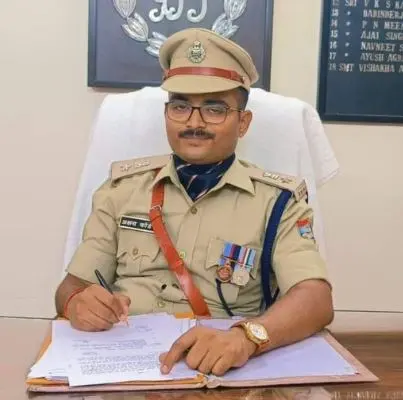
IPS Akshay Prahlad Konde is one of the young and energetic officers of the Uttarakhand Police, having joined the Indian Police Service (IPS) as part of the 2018 batch. He is known for his calm demeanor, professional work style, and a sensitive approach towards law and order. He secured his place in the IPS after clearing the prestigious Civil Services Examination conducted by the Union Public Service Commission (UPSC) and is currently counted among the key officers of the Uttarakhand cadre. Early Life and Education Akshay Prahlad Konde hails from Maharashtra. From childhood, he maintained an interest in understanding society and the administrative system alongside his academic pursuits. He completed both his early and higher education in Maharashtra. The UPSC Journey Akshay Konde cleared the UPSC Civil Services Examination in 2017, leading to his induction into the Indian Police Service (IPS) in the 2018 batch. Initially allotted the Tripura cadre, he was later transferred to the Uttarakhand cadre on the grounds of marriage. This inter-cadre transfer was effected in August 2020 through a notification issued by the Ministry of Home Affairs, Government of India. Police Service Journey After completing his training at the Sardar Vallabhbhai Patel National Police Academy in Hyderabad, he undertook various responsibilities within the Uttarakhand Police. Key responsibilities held during his career include: In every role, he placed special emphasis on maintaining law and order, ensuring road safety, controlling crime, and fostering better communication with the general public. His administrative competence and leadership qualities led to his posting in a district like Rudraprayag, which holds significant religious importance and is considered a sensitive area. Akshay Prahlad Konde’s wife, Akansha Konde (née Akansha Verma), is an Indian Administrative Service (IAS) officer of the 2018 batch, serving in the Uttarakhand cadre. Akshay Konde’s cadre was transferred from Tripura to Uttarakhand following their marriage. Work Style Akshay Konde’s work style reflects a balance between discipline and sensitivity. He views policing not merely as a means to enforce the law, but as a way to build trust within society. His priorities included— His administrative role has been particularly significant in a mountainous state like Uttarakhand, which hosts the Char Dham Yatra and other major religious events.
Meet Bijnor SDM Ritu Rani: The MBA Graduate Who Secured AIR 34 in UPPCS 2019
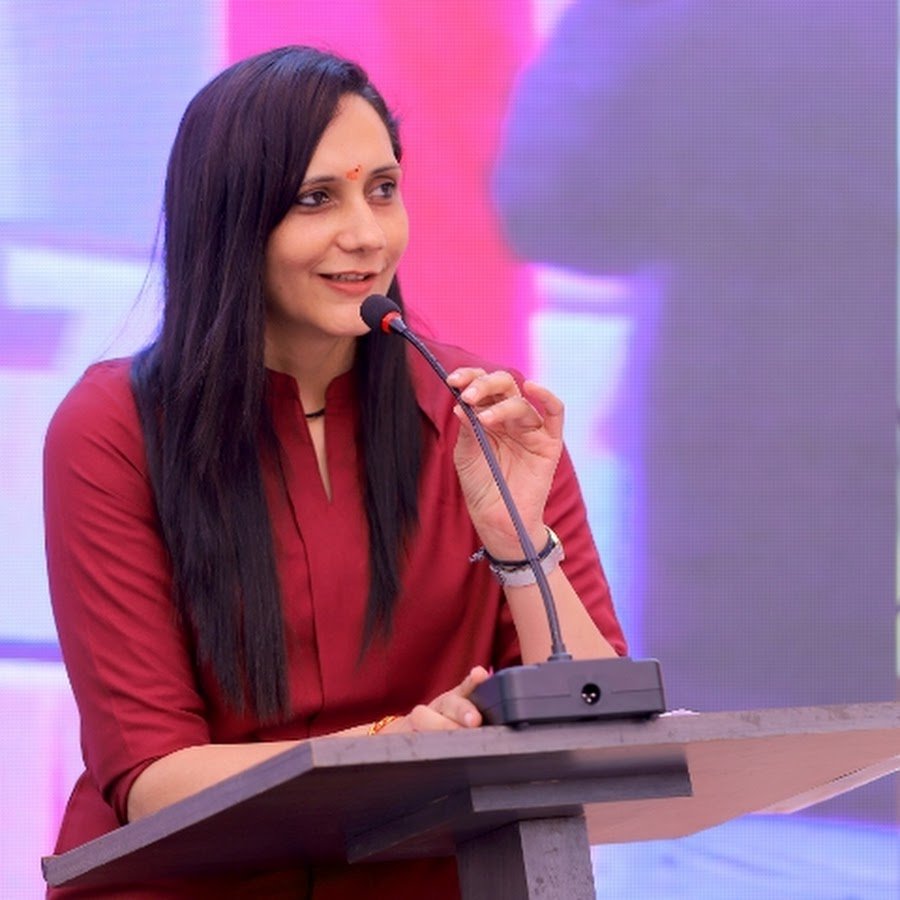
Ritu Rani is a renowned UP Provincial Civil Services (UPPCS) officer who secured the 34th rank nationwide in the 2019 UPPCS examination. She currently holds the position of Sub-Divisional Magistrate (SDM) in Bijnor. Hailing from a modest family in the Muzaffarnagar district of Uttar Pradesh, she is the daughter of a farmer who aspired to see his daughter become an officer. Ritu Rani is among the female officers of the Uttar Pradesh administrative service who have strived to discharge their administrative responsibilities with both sensitivity and discipline. Her work clearly demonstrates that administration is not limited merely to executing government orders; maintaining a continuous dialogue with various sections of society is also a crucial component of the role. Regarding her education, she completed an MBA before beginning her preparation for government examinations, eventually being selected for the Uttar Pradesh administrative service in 2021. Following her selection, Ritu Rani has fulfilled various administrative duties. Her key responsibilities as the SDM of the Dhampur Tehsil in Bijnor district have included: Currently serving as the SDM of Bijnor, Ritu Rani does not limit herself to office-based tasks; she also actively participates in various social and educational programs. While honoring female students at NSS events, she has encouraged the youth to engage in social service and become responsible citizens. Additionally, she has spoken at numerous schools and universities, emphasizing the importance of education, discipline, and goal-setting to students. She has also contributed to environmental conservation by participating in tree-planting drives, urging people not only to plant saplings but also to nurture them. SDM Ritu Rani made headlines in 2025 after receiving a death threat along with a demand for ₹15 lakh in extortion money. An unidentified individual issued the threat to her official mobile number. Following the incident, the police registered a case and launched an investigation, identifying the accused as a resident of Hyderabad; he was subsequently arrested.
Navneet Singh Bhullar IPS: Strengthening Law Enforcement in Uttarakhand
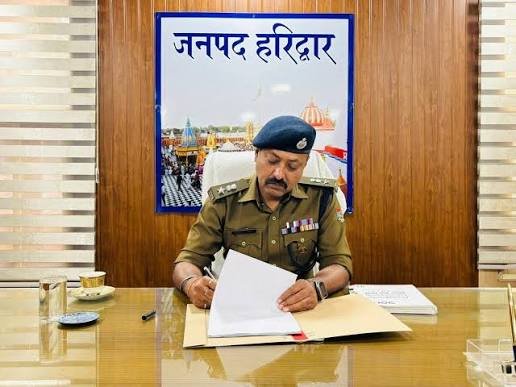
Navneet Singh Bhullar is a senior Indian Police Service (IPS) officer currently serving as the Senior Superintendent of Police (SSP) for the Haridwar district in Uttarakhand. He has established a strong reputation within the state police force due to his administrative acumen, ability to maintain law and order, and effective approach to crime control. His posting in a district as religiously significant and sensitive as Haridwar is considered a testament to his administrative competence and experience. Early Life and Education Detailed official information regarding Navneet Singh Bhullar’s schooling and higher education is not publicly available; therefore, no verified claims can be made about the specific schools, universities, or academic qualifications he attended or holds. However, according to available government records, he is an IPS officer belonging to the Uttarakhand cadre. He became an IPS officer of the 2015 batch through promotion from the State Police Service and was formally inducted into the Indian Police Service in 2019. Police Service Career Navneet Singh Bhullar has held various significant responsibilities within the Uttarakhand Police. Throughout his tenure, he has made notable contributions to law and order, crime control, public safety, and police administration. His key postings include— Senior Superintendent of Police (SSP), Tehri GarhwalSenior Superintendent of Police (SSP), Special Task Force (STF), UttarakhandSenior Superintendent of Police (SSP), Haridwar Upon assuming charge in Haridwar, he made it clear that there would be zero tolerance for drug trafficking, organized crime, or compromises regarding law and order. His priorities have included ensuring the security of religious sites, preparing for major upcoming events, and launching special campaigns to protect the youth from drug abuse. Administrative Style Bhullar is regarded as a disciplined, pragmatic, and result-oriented police officer. Key features of his working style include— Awards and Honors According to available official records, Navneet Singh Bhullar was awarded the ‘Police Medal for Meritorious Service’ in 2023. This honor is conferred for outstanding and dedicated police service. Current Responsibilities Currently, Navneet Singh Bhullar serves as the Senior Superintendent of Police (SSP) for the Haridwar district in Uttarakhand. Haridwar is one of the country’s major religious cities, attracting millions of pilgrims annually. In such a district, responsibilities—such as maintaining law and order, managing traffic, ensuring security for religious events, and controlling crime—are of paramount importance, and he is leading these efforts. Navneet Singh Bhullar is regarded as an experienced and responsible IPS officer within the Uttarakhand Police. His journey from the state police service to the Indian Police Service reflects his administrative acumen and dedication. His contributions toward crime control, anti-drug campaigns, and the maintenance of law and order are considered noteworthy. The Uttarakhand Police looks forward to continued effective leadership from him in the future.
Dr. Manjunath T.C.: A Doctor’s Inspiring Path to the Indian Police Service
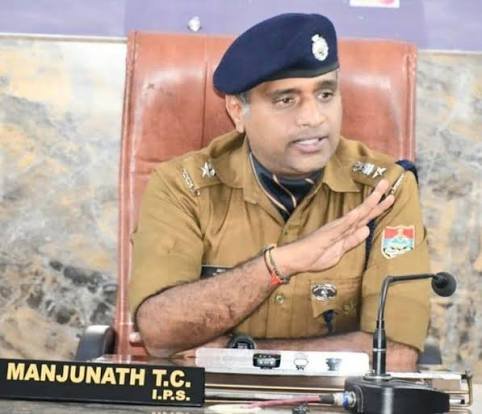
Dr. Manjunath T.C. is a 2014-batch Indian Police Service (IPS) officer belonging to the Uttarakhand cadre. Originally from Karnataka, his journey—spanning from medical practice to the police service—stands as an inspiring example of dedication, discipline, and public service. Education Dr. Manjunath T.C. obtained his MBBS (Bachelor of Medicine and Bachelor of Surgery) degree in Karnataka. During his medical education, he gained expertise in understanding the human body and the diagnosis and treatment of diseases. After completing his studies, he worked as a cardiologist at the prestigious Sir Ganga Ram Hospital in Delhi. While working in the medical field, he treated numerous patients and made significant contributions to healthcare services. Although he had a promising future in medicine, a desire to serve society and the nation on a broader scale motivated him to prepare for the Union Public Service Commission (UPSC) Civil Services Examination. Through hard work and determination, he cleared the UPSC Civil Services Examination in 2014 and secured a place in the Indian Police Service (IPS). Police Service (IPS Career) Upon becoming an IPS officer, Dr. Manjunath T.C. was allotted the Uttarakhand cadre. Serving in various administrative and police capacities, he has discharged significant responsibilities in areas such as maintaining law and order, crime control, police modernization, and public safety. Throughout his service, he has held leadership roles across various districts and units. According to available public records, he has served in key positions such as Commandant of the 2nd Indian Reserve Battalion (IRB), Senior Superintendent of Police (SSP) of Udham Singh Nagar, SP (Security) at Police Headquarters, and currently working as the Superintendent of Police (SP) of Nainital. Work Style Dr. Manjunath T.C. is known for his calm, disciplined, and professional work style. Drawing from his medical background, he places special emphasis on policing with a humane approach. Alongside maintaining law and order, he has placed special emphasis on sensitive interaction with the public, effective crime prevention, and strengthening the dialogue between the police and the community. Honours and Awards Publicly available official records do not indicate that Dr. Manjunath T.C. has received any national or state-level individual awards or police medals. Should he receive the President’s Police Medal, the Police Medal (for Meritorious Service), or other government honours in the future, this information will be updated in the relevant official records. Dr. Manjunath T.C.’s life exemplifies how a successful medical professional can pivot their career towards the broader goal of serving the nation. His journey from being a doctor to an IPS officer serves as an inspiring example of dedication, hard work, and a spirit of service for the youth.
Pramendra Singh Dobal (IPS): An Experienced and Diligent Officer of the Uttarakhand Police
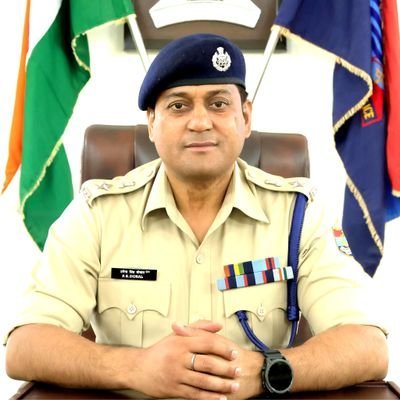
Pramendra Singh Dobal is an Indian Police Service (IPS) officer belonging to the 2018 batch, having been inducted into the service through promotion from the Uttarakhand State Police Service (SPS). He is currently working as SSP in Dehradun. He is counted among those Uttarakhand Police officers who attained IPS status based on their outstanding service record following a long tenure in the state police force. He has held senior leadership roles within the Uttarakhand Police, and his working style regarding law and order maintenance, crime control, and police administration is highly appreciated. Early Life and Education Pramendra Singh Dobal hails from Uttarakhand. According to available government records, he holds a Bachelor’s degree (B.A.). After completing his higher education, he chose a career in the police force and was appointed as an officer in the Uttarakhand State Police Service. Career in Police Service During his tenure in the State Police Service, Pramendra Singh Dobal discharged significant responsibilities across various districts and units. He made notable contributions toward maintaining law and order, preventing crime, effectively resolving sensitive cases, and strengthening police administration. Based on his outstanding service and seniority, the Government of India promoted him from the Uttarakhand State Police Service to the Indian Police Service (IPS) on July 24, 2023. This appointment was made under the 2022 select list, and he was allocated the Uttarakhand cadre. Subsequently, his seniority was fixed with the 2018 batch (Year of Allotment: 2018). Following his promotion to the IPS, he was entrusted with senior-level responsibilities within the Uttarakhand Police. According to available official records, he has also served as the Senior Superintendent of Police (SSP) of Haridwar. And currently he is serving as Dehradun SSP. Key Achievements Extensive and successful administrative experience in the Uttarakhand State Police Service.Promotion to the Indian Police Service (IPS) based on outstanding service. Selected for the IPS under the 2022 selection list (Uttarakhand cadre).Recognized for maintaining law and order in sensitive districts and for effective police leadership.Awards and Honors Pramendra Singh Dobal has been honored with the Police Service Medal for his outstanding contribution to the police service. Available official records cite the PMSM (Police Medal for Meritorious Service) alongside his name; this medal is awarded for remarkable and commendable work in the police service. Leadership Style Pramendra Singh Dobal is regarded as a disciplined, pragmatic, and administratively competent police officer. He is known for placing special emphasis on crime control, public safety, community policing, and the effective management of the police force. His extensive experience in the State Police Service has provided him with a deep understanding of law and order issues at the grassroots level. Pramendra Singh Dobal is among the senior officers of the Uttarakhand Police who secured a place in the Indian Police Service after years of effective service in the State Police Force. His administrative experience, discipline, and commitment to maintaining law and order establish him as a key officer within the Uttarakhand Police. He is expected to continue making significant contributions to police administration, crime control, and public safety in the future.
Uttarakhand Administrative Shake-Up: Kishan Singh Rawat Gets Key Role as 29 IAS and PCS Officers Reassigned
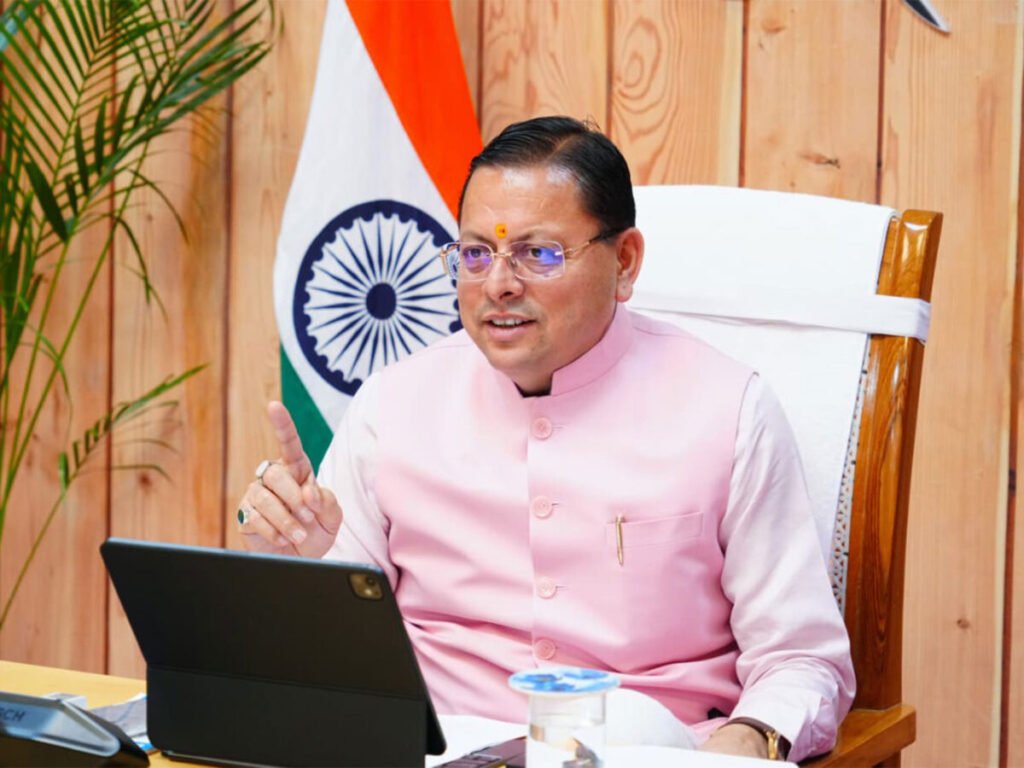
Kishan Singh Rawat is counted among the experienced PCS officers of the Uttarakhand administration. He has been entrusted with additional administrative responsibilities as part of a major administrative reshuffle recently undertaken by the state government. This decision aims to enhance the effectiveness of the administrative system and foster better coordination among various departments. This extensive reshuffle, carried out with the Governor’s approval, involved changes to the responsibilities of 10 PCS officers and several IAS officers. As part of this process, Ashish Chauhan was appointed as the new District Magistrate of Dehradun, while other officers were assigned new roles in various key departments. The new responsibilities assigned to Kishan Singh Rawat are viewed as a significant step towards strengthening the state’s administrative framework. These changes are intended to accelerate operations in critical sectors—such as revenue, civil supplies, disaster management, and regional development—and ensure the speedy resolution of public-interest matters. The government expects this administrative restructuring to improve departmental functioning and enable the delivery of better services to the general public.
First officer to head 4 CRPF sectors : Charu Sinha
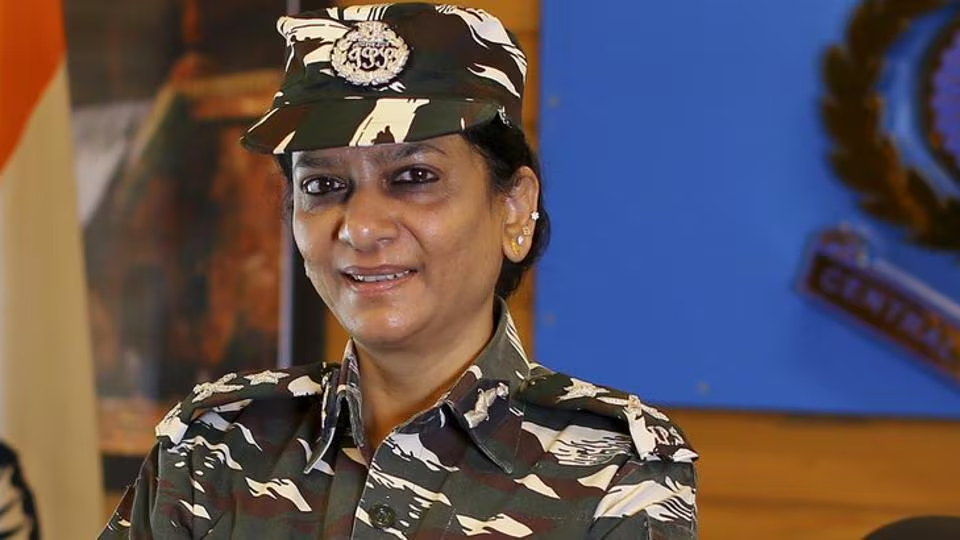
Charu Sinha, a senior Indian Police Service officer of the 1996 batch, currently serves as Director General of the Telangana Police. She is the first female IPS officer in India to command four different operational sectors in the CRPF’s history: Bihar, Jammu, Srinagar, and the Southern Sector. Charu Sinha became the first female CRPF IG to be posted in the Srinagar Sector in 2020. She received her early education in Hyderabad and graduated from St. Francis College for Women with a Bachelor of Arts degree in English Literature, History, and Political Science. She also earned an MA in Political Science from the Central University of Hyderabad from 1990 to 1999. Her tenure as Inspector General of Police, Srinagar Sector, during the most sensitive period in Kashmir, is known for her strategic acumen and skillful leadership of counter-insurgency operations. Early in her career, she also participated in the United Nations peacekeeping mission in Kosovo. From 2020 to 2022, she led approximately 69 counter-insurgency operations, killing at least 21 terrorists. She also oversaw security arrangements for the Amarnath Yatra, the first such event in two years after the COVID-19 pandemic in 2022. Currently, she leads a comprehensive anti-corruption campaign in the Anti-Corruption Bureau, ensuring transparency and accountability. She also leads the Main Criminal Investigation Branch of the Directorate General of Crime Investigation Department and is fully responsible for statewide women’s safety initiatives, such as the “Telangana She Teams” and “Bharosa Centers”, under the Women’s Safety Wing. Welfare Initiatives Main Awards and Honors International Award
Kanchan Chaudhary Bhattacharya: India’s First Woman State DGP and a Trailblazer in Policing
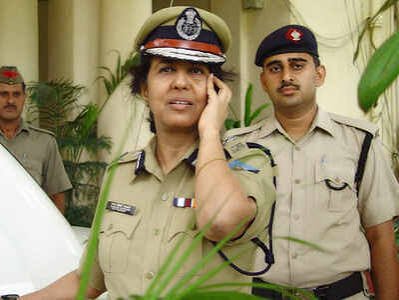
Kanchan Chaudhary Bhattacharya, born in Himachal Pradesh, was the country’s second female IPS Officer (1973–2007) and served as the Director General of Police (DGP) for Uttarakhand. She was also briefly active in politics, contesting the 2014 Indian general election from Haridwar, Uttarakhand, as an Aam Aadmi Party candidate. Notably, she was the first woman to become a state Director General of Police and retired from service on October 31, 2007. Regarding her education, she completed her early studies at Government Girls’ College, Amritsar. Later, she pursued postgraduate studies in English Literature at the University of Delhi, followed by a master’s degree from the University of New South Wales in Australia. She possessed 33 years of extensive and remarkable professional experience. She was the first woman to serve as a state Director General of Police (DGP), having held this position in Uttarakhand. She was the second woman to join the Indian Police Service (IPS) in 1973 and became the first female IPS officer of the Uttar Pradesh cadre. In 2004, she was selected to represent India at the Interpol meeting held in Cancún, Mexico—a significant achievement in her career. Throughout her career, she completed various specialized training programs and courses. These included training in Human Resource Management at NITIE, Mumbai; a program on Economic Crime Investigation Management in Singapore; and an Advanced Management Program at the National Police Academy in Hyderabad. As the President of the All India Women Police Organization, she successfully organized the second Women Police Conference, an event that was also commended by the President of India. She was selected for the post of DGP from among many senior officers due to her integrity, impartiality, and sensitivity toward the issues faced by the general public. On behalf of the Bureau of Police Research and Development, she raised critical issues—such as the recruitment and training of women in the police force—at the annual conference of Directors General of Police. Beyond her professional life, she had several hobbies; she enjoyed writing poetry and participating in plays. She also played a guest role in the TV serial “Udaan.” This serial was inspired by her life, and its writer and director was her sister, Kavita Chaudhary. Awards