Vikram Misri Gets One More Year as Foreign Secretary
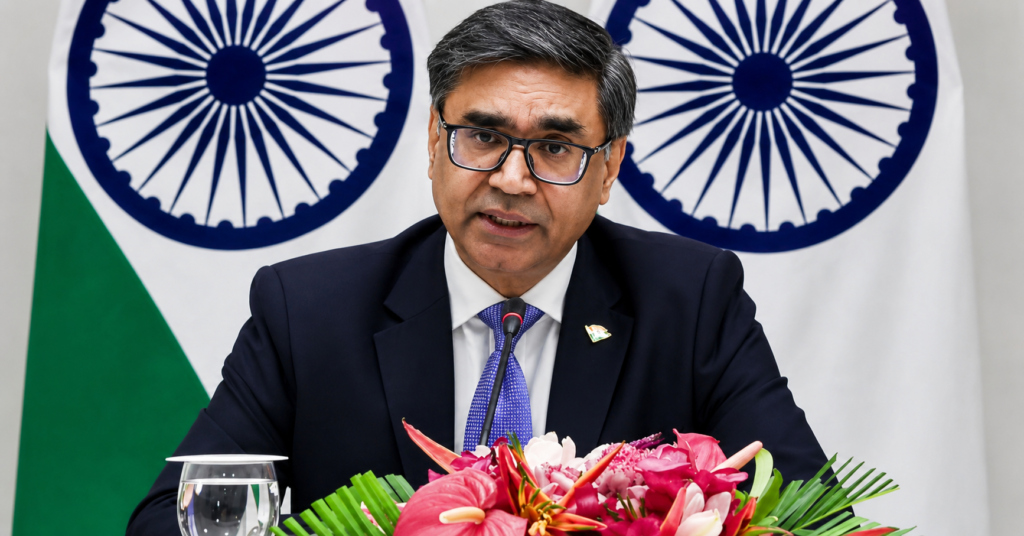
The government has given Vikram Misri another year as Foreign Secretary. He’ll now stay on till 14 July 2027. He’s a 1989-batch IFS officer. Took charge in July 2024. They had already extended him once past his normal retirement date. Now they’ve done it again under that rule that lets them keep a few top people longer when they feel it’s needed. Why? Simple. The next year looks packed. India is hosting the BRICS summit. Trade talks with the US are tricky under the new Trump administration. There’s still the EU free-trade agreement hanging. Neighbours — Sri Lanka, Bangladesh, Bhutan, Nepal — all need careful handling. China is always there in the background. And the Africa summit that got postponed because of Ebola might come back on the table. At a time like this, changing the Foreign Secretary mid-way just doesn’t make sense. The person at the top has already sat through the meetings, knows the exact temperature of each relationship, and has the personal links with counterparts. Replacing him now would mean everyone starts from scratch. Continuity isn’t glamorous, but in diplomacy it saves a lot of unnecessary friction. Misri brings a particular kind of experience. He was ambassador in China during the Galwan period. He served as Deputy NSA. And he has the unusual record of having worked as private secretary to three different prime ministers — Gujral, Manmohan Singh and Modi. That mix of China knowledge and proximity to the political leadership is not something you find easily. He’s already handled the diplomatic side of Operation Sindoor last year, the fallout from the US-Israel actions involving Iran, and the early months of dealing with the second Trump White House. Officials felt it was better to keep the same hand on the wheel rather than bring in someone new while all these files are still open. This is only the second time a Foreign Secretary has got such an extension. S. Jaishankar got one back in 2017. The rule itself is old and has been used for other key posts too — defence, home, intelligence. Some people grumble that it stretches the normal two-year tenure. Others say foreign policy and security are different; you don’t risk continuity just for the sake of rotating people. The order still has that usual line — “or until further orders, whichever is earlier” — so the government can always change its mind if needed. But for now the message is clear. They want the same experienced officer running the Ministry of External Affairs through the next set of big engagements. That’s the story, really. No drama, just a practical decision to keep things steady when the calendar is full. Sources: Official ACC/DoPT order; The Hindu, India Today, PTI, The Tribune, Moneycontrol, The Wire. @Rohit Manral
Vishwesh Negi Appointed as India’s Next Ambassador to Iran
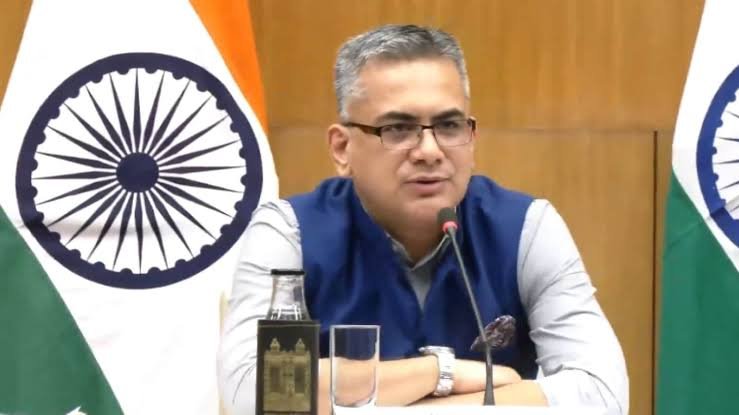
Senior diplomat with over 20 years of experience to take charge of a key posting in West Asia The Government of India has named Vishwesh Negi, a senior officer of the Indian Foreign Service (IFS), as the country’s next Ambassador to Iran. The appointment comes at an important time for India’s ties with West Asia. Ambassador appointments do not usually make big news. But this one has caught attention because of Iran’s importance to India and Negi’s long experience in foreign affairs and defence matters. Who Is Vishwesh Negi? Negi belongs to the 2002 batch of the IFS, one of India’s top civil services. IFS officers represent India abroad and work to strengthen the country’s relations with other nations. Before this new role, Negi served as Joint Secretary in the Ministry of External Affairs, where he handled matters related to the Indo-Pacific region. He also worked as Joint Secretary for International Cooperation in the Ministry of Defence, dealing with global security and defence partnerships. In these roles, he worked closely with senior government officials, military leaders and foreign representatives on important national matters. Why Iran Matters to India Iran is one of India’s most important partners in West Asia. The two countries work together on trade, energy, regional connectivity and infrastructure. A major part of this partnership is the Chabahar Port. This port gives India a route to Afghanistan and Central Asia without depending on other countries’ land routes. Given the fast-changing political situation in the region, experts say sending an experienced diplomat like Negi is a wise step to keep India-Iran relations strong. What This Appointment Shows Senior appointments like this reflect years of hard work and experience. Officers often spend decades building their skills before taking on such important roles. Negi’s career, from joining the Foreign Service to his work in the Ministry of Defence and the Ministry of External Affairs, shows this journey clearly. What Happens Next As Negi takes up his post in Tehran, attention will turn to the future of India-Iran relations. Key areas to watch include trade, energy security, regional stability and connectivity projects. This appointment is more than a routine change. It shows the important role Indian diplomats play in shaping the country’s relations with the world. @Rohit Manral