Uttarkashi DM Prashant Kumar Arya Bridges the Gap Between Public and Bureaucracy
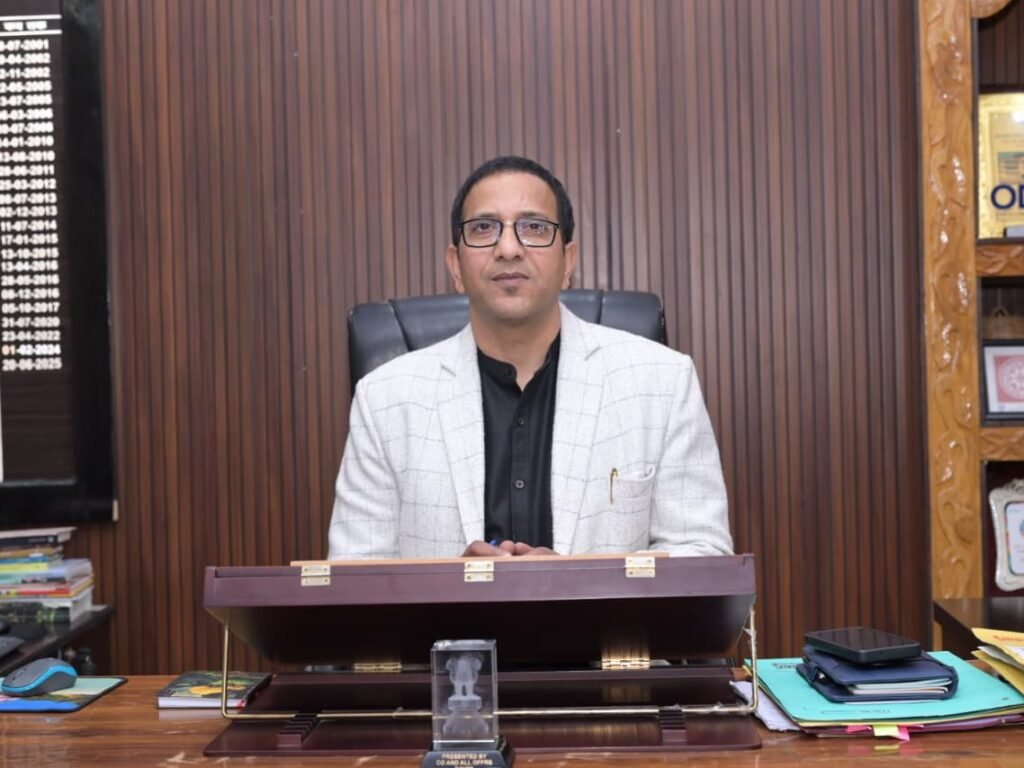
Prashant Kumar Arya, District Magistrate of Uttarkashi district in Uttarakhand, is a 2017 batch Indian Administrative Service (IAS) officer of the Uttarakhand cadre, having joined the state civil service. Previously, Prashant Kumar held the responsibility of the Sachchidanand Extension in Dehradun and also held key positions such as Chief Development Officer and SDM in Pauri district. IAS officer Prashant Kumar was born on November 26, 1977. He is known for his honesty, diligence, and work ethic. He is also known for his easy communication with the public. He expects timely and transparent work from his employees and does not place any emphasis on partisanship in the administration of law and order and development projects. His approach to work is focused on promoting public participation and working with officers in a spirit of fairness. Till now he has held the following important positions: Chief Development Officer, Pauri Garhwal, Secretary, District Panchayat Dehradun, Director, Women and Child Development Department, Excise Commissioner, Uttarakhand, Director, Sports and Youth Welfare Department, Managing Director, Garhwal Mandal Vikas Nigam. Key Tasks His key responsibility is to manage the travel arrangements for the Gangotri and Yamunotri shrines located in Uttarkashi district. he continuously monitors infrastructure along the pilgrimage routes for the safety and convenience of pilgrims, and ensures traffic management and the availability of essential services along the routes. During heavy rains, she receives daily updates on the situation and weather in the tehsils directly from the control room. he coordinates with the Public Works Department to immediately reopen national highways and major connecting roads blocked due to landslides, and issues high alert orders. he maintains police, health, electricity, and SDRF teams on 24-hour alert to address emergencies. He reviewed pending forest land transfer cases to address bottlenecks in development projects and directed officials to take prompt action. he also closely monitored the progress of Jal Jeevan Mission projects related to drinking water supply in rural areas. Issued official orders for strict disciplinary action against district and block-level officials who ignore calls from public representatives and ordinary citizens, and increased transparency so that remote villagers do not have to repeatedly visit the district headquarters to lodge their complaints. Previous Positions Key Honors and Achievements
From UPSC Rank 74 to Pauri DM: Swati S. Bhadauria’s Journey of Inclusive Development and Administrative Excellence
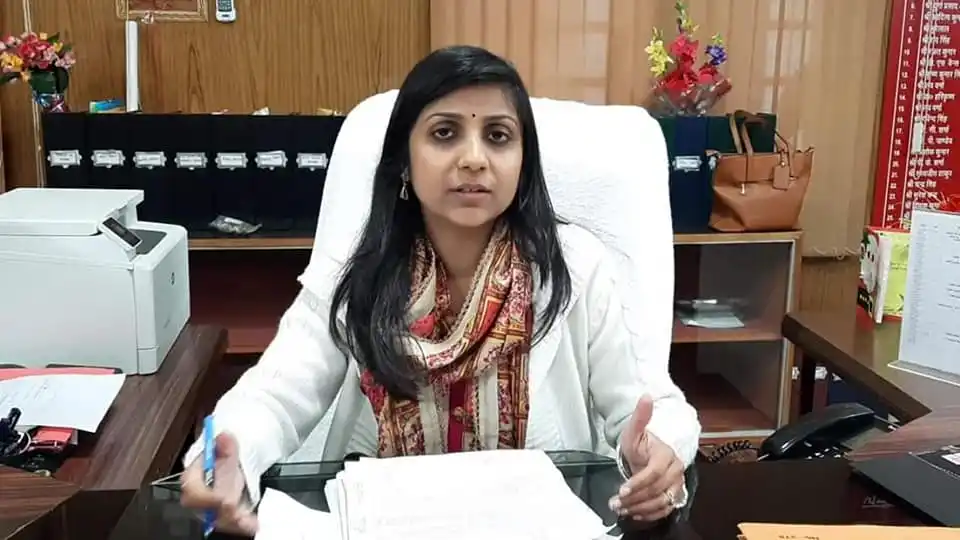
Swati S. Bhadauria, the District Magistrate of Pauri district in Uttarakhand, is a distinguished IAS officer of the 2012 batch. She is recognized for her strong engineering background, securing the 74th rank in the UPSC Civil Services Examination (CSE), and her commitment to transforming governance through active engagement. She entered the civil services with the aim of fostering inclusive, participatory development and bringing about governance reforms, particularly in the most remote and backward regions. Swati S. Bhadauria was born on August 23, 1987, in Uttar Pradesh. She hails from a middle-class family that placed a high value on education. A calm and determined individual since childhood, she believed in the power of knowledge and technology to drive social change. She pursued her B.Tech in Electronics Engineering at the Institute of Engineering and Technology, affiliated with Uttar Pradesh Technical University in Lucknow. Her engineering background honed her problem-solving skills, which later proved instrumental in implementing technology-driven governance initiatives—such as the ‘Bachpan’ project, digital health records, and e-governance systems—in remote hilly areas. Swati S. Bhadauria cleared the UPSC Civil Services Examination in her very first attempt, securing an All India Rank of 74 in the 2012 batch. Leveraging her technical background and analytical acumen, she succeeded in one of India’s toughest examinations at the young age of 25. Currently, Swati S. Bhadauria serves as the District Magistrate of Pauri district, Uttarakhand. Prior to this, she held various positions, including Assistant Collector (Rajnandgaon), SDO (Mahasamund), Joint Magistrate (Dehradun), District Magistrate (Chamoli), CEO and Additional Secretary in the Civil Aviation Department, Director General, Deputy Secretary and Additional Secretary in the Governor’s Office, Mission Director of NHM (Uttarakhand), and Managing Director of GMVN. Alongside this, he also contributed to departments such as Urban Development, Rural Development, MSME, Culture, and Disaster Management, playing a pivotal role in improving administration in the hilly regions of Uttarakhand.