
‘Singham’ IAS Officer Tukaram Mundhe Back in Action: Surprise FDA Raids Spark Public Praise Across Maharashtra
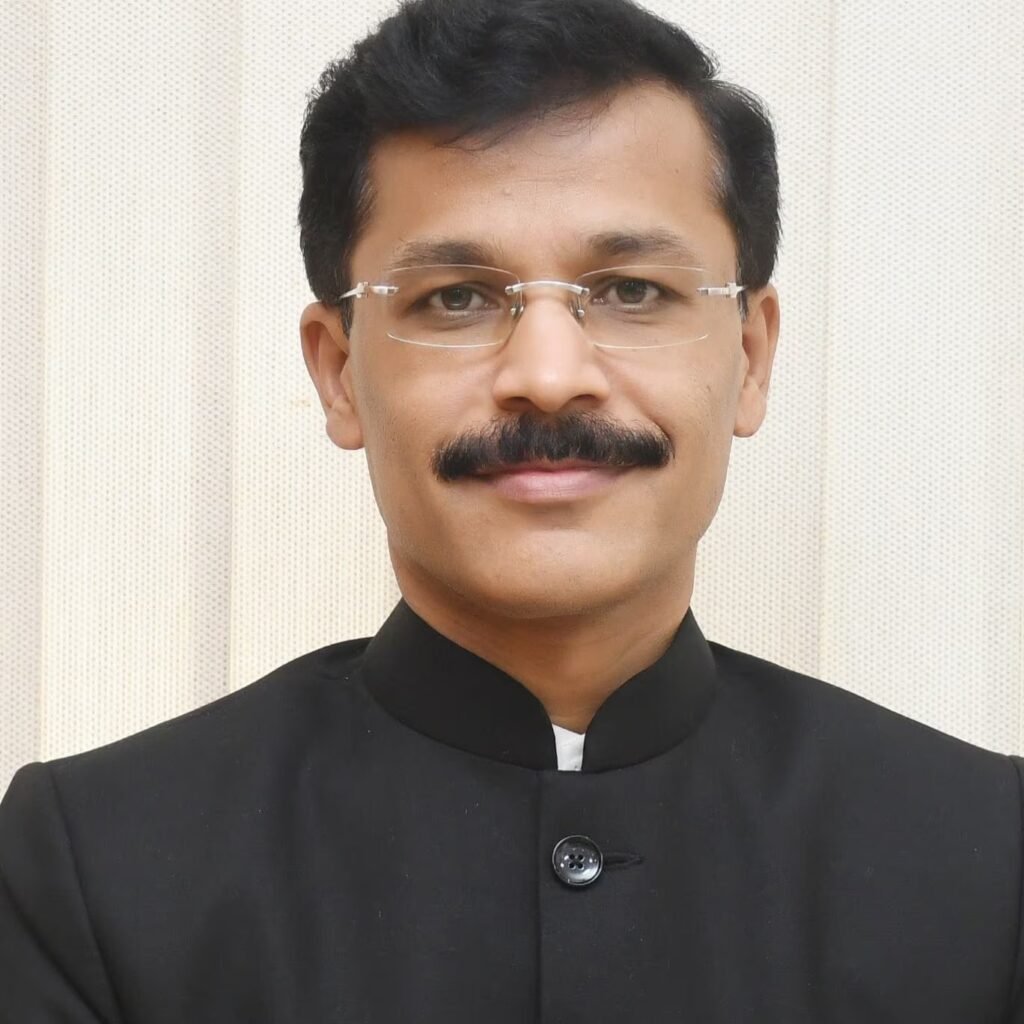
Senior IAS officer Tukaram Mundhe, who has been transferred 25 times during his 21-year career, is once again in the spotlight. Appointed as the FDA Commissioner by the Maharashtra government in the first week of June, he immediately launched a fresh wave of raids and strict enforcement drives against adulterators and the illegal drug trade. He has clearly stated that this campaign is not directed at any specific individual but is a well-planned move to safeguard public health, and that honest businesses have no reason to fear it. Senior IAS officer Tukaram Mundhe currently serves as the Commissioner of the Food and Drug Administration (FDA) in Maharashtra. He is renowned for his strict stance against corruption and his disciplined approach. Prior to assuming the role of FDA Commissioner in June, he had undergone transfers in March and April as well; these marked his 24th and 25th transfers, moving him from the Department of Empowerment of Persons with Disabilities to the Revenue Department. Since taking charge as FDA Commissioner, he has initiated surprise inspections and stringent enforcement actions across the state, earning him widespread praise from the general public and on social media. His work style has led to comparisons with Haryana’s famous IAS officer Ashok Khemka. Due to his bold and uncompromising style, Mundhe is often referred to as “Singham” and the “Man of Mission.” He is known for refusing to yield to political pressure and for taking direct action against the sand mafia, land mafia, and corrupt officials. Tukaram Mundhe was born on June 3, 1975, in Tadsona village, Beed district, Maharashtra. He hailed from a very humble background. He received his early education at a Zilla Parishad school before moving to Aurangabad for higher studies. He earned a bachelor’s degree in History and a master’s degree in Political Science. After clearing the UPSC examination in 2005, he became an IAS officer. His first posting as an IAS officer was in Solapur, where he immediately crippled the mafia by conducting continuous raids on illegal liquor dens, shooting to fame overnight.
Transferred 57 Times, Never Compromised: The Anti-Corruption Crusade of IAS Officer Ashok Khemka
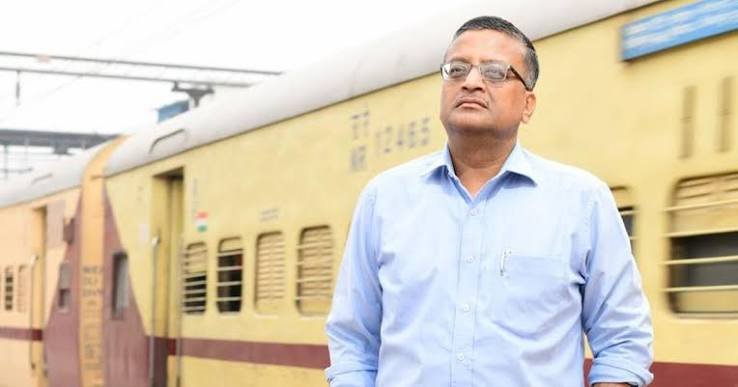
Ashok Khemka, a senior administrative officer in the Indian state of Haryana, is an IAS officer who has been transferred 57times throughout his career. He was born on April 30, 1965, in Kolkata, the capital of the northeastern state of Bengal. He graduated from the Indian Institute of Technology (IIT) Kharagpur in 1988 and obtained a PhD in Computer Science as well as an MBA from the Tata Institute of Fundamental Research (TIFR) in Mumbai. A 1991-batch IAS officer, Khemka has exposed corruption across various departments. Serving in his home cadre of Haryana, he has faced frequent transfers by successive state governments, having been transferred 57 times over a span of 34 years. In Haryana, Khemka was transferred repeatedly whenever a new government took office. The longest tenure of his career was a 15-month stint as Director of the Department of Labour, Employment, and Training. He frequently expressed his displeasure with the government through the media regarding these constant transfers. Dr. Khemka was transferred multiple times during the Bansi Lal-led government. Under the leadership of Om Prakash Chautala, he was transferred nine times in five years. He also faced multiple transfers during the Congress government led by Bhupinder Singh Hooda. Subsequently, during the BJP government led by Manohar Lal Khattar, he was transferred another six to seven times. During his career, Dr. Ashok Khemka also received death threats. He was threatened with death after taking action regarding suspicious land deals between Robert Vadra—son-in-law of Congress President Sonia Gandhi—and the real estate company DLF; a complaint regarding this was lodged with the Panchkula police by K.R. Sharma, a Chief Manager at HSD. Dr. Ashok Khemka was honored with the Jindal Prize in 2011 for his crusade against corruption. Additionally, he received a cash award of ₹10 lakh, shared with Sanjiv Chaturvedi, in recognition of his determined efforts to expose corruption in high places. Ashok Khemka retired on April 30, 2025. He was serving as the Additional Chief Secretary of the Transport Department at the time, and it was from this position that he retired.
Uttarakhand Administrative Shake-Up: Kishan Singh Rawat Gets Key Role as 29 IAS and PCS Officers Reassigned
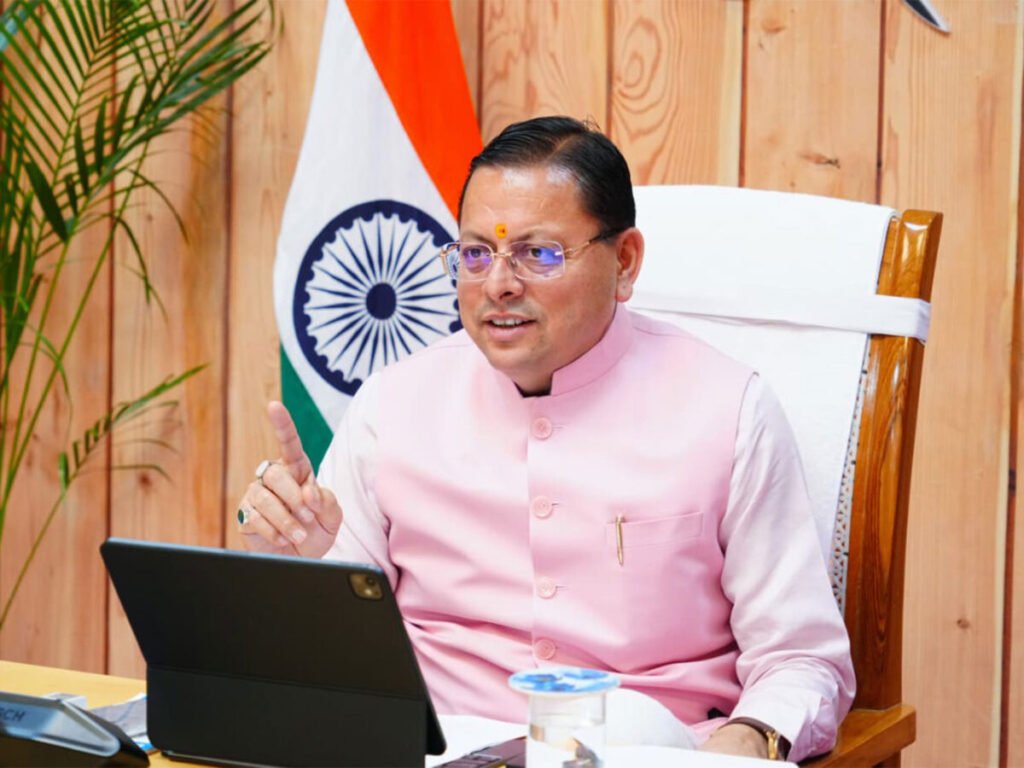
Kishan Singh Rawat is counted among the experienced PCS officers of the Uttarakhand administration. He has been entrusted with additional administrative responsibilities as part of a major administrative reshuffle recently undertaken by the state government. This decision aims to enhance the effectiveness of the administrative system and foster better coordination among various departments. This extensive reshuffle, carried out with the Governor’s approval, involved changes to the responsibilities of 10 PCS officers and several IAS officers. As part of this process, Ashish Chauhan was appointed as the new District Magistrate of Dehradun, while other officers were assigned new roles in various key departments. The new responsibilities assigned to Kishan Singh Rawat are viewed as a significant step towards strengthening the state’s administrative framework. These changes are intended to accelerate operations in critical sectors—such as revenue, civil supplies, disaster management, and regional development—and ensure the speedy resolution of public-interest matters. The government expects this administrative restructuring to improve departmental functioning and enable the delivery of better services to the general public.
First officer to head 4 CRPF sectors : Charu Sinha
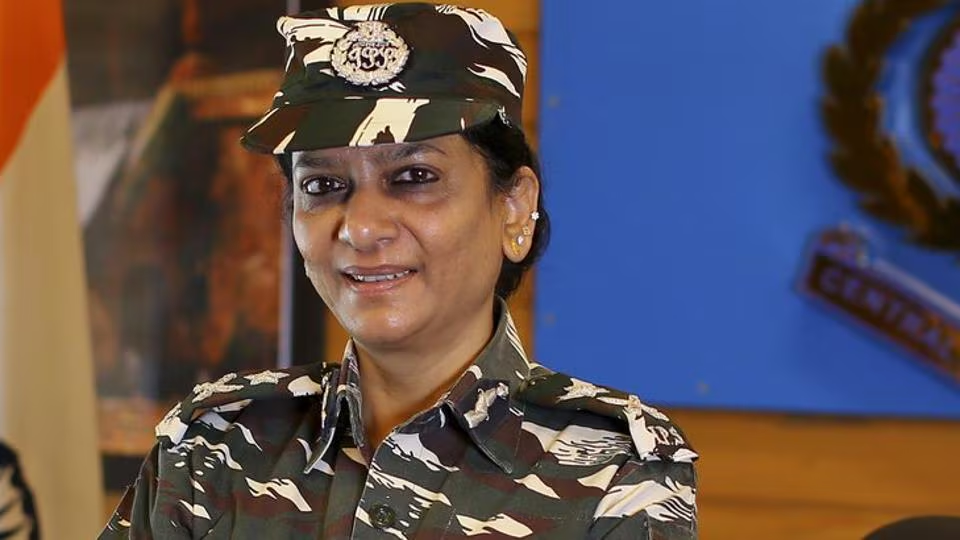
Charu Sinha, a senior Indian Police Service officer of the 1996 batch, currently serves as Director General of the Telangana Police. She is the first female IPS officer in India to command four different operational sectors in the CRPF’s history: Bihar, Jammu, Srinagar, and the Southern Sector. Charu Sinha became the first female CRPF IG to be posted in the Srinagar Sector in 2020. She received her early education in Hyderabad and graduated from St. Francis College for Women with a Bachelor of Arts degree in English Literature, History, and Political Science. She also earned an MA in Political Science from the Central University of Hyderabad from 1990 to 1999. Her tenure as Inspector General of Police, Srinagar Sector, during the most sensitive period in Kashmir, is known for her strategic acumen and skillful leadership of counter-insurgency operations. Early in her career, she also participated in the United Nations peacekeeping mission in Kosovo. From 2020 to 2022, she led approximately 69 counter-insurgency operations, killing at least 21 terrorists. She also oversaw security arrangements for the Amarnath Yatra, the first such event in two years after the COVID-19 pandemic in 2022. Currently, she leads a comprehensive anti-corruption campaign in the Anti-Corruption Bureau, ensuring transparency and accountability. She also leads the Main Criminal Investigation Branch of the Directorate General of Crime Investigation Department and is fully responsible for statewide women’s safety initiatives, such as the “Telangana She Teams” and “Bharosa Centers”, under the Women’s Safety Wing. Welfare Initiatives Main Awards and Honors International Award
Kanchan Chaudhary Bhattacharya: India’s First Woman State DGP and a Trailblazer in Policing
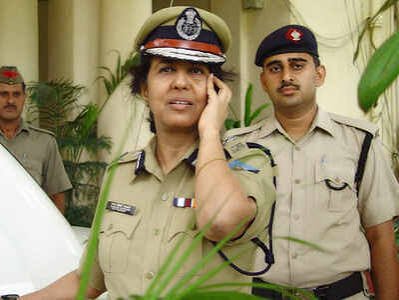
Kanchan Chaudhary Bhattacharya, born in Himachal Pradesh, was the country’s second female IPS Officer (1973–2007) and served as the Director General of Police (DGP) for Uttarakhand. She was also briefly active in politics, contesting the 2014 Indian general election from Haridwar, Uttarakhand, as an Aam Aadmi Party candidate. Notably, she was the first woman to become a state Director General of Police and retired from service on October 31, 2007. Regarding her education, she completed her early studies at Government Girls’ College, Amritsar. Later, she pursued postgraduate studies in English Literature at the University of Delhi, followed by a master’s degree from the University of New South Wales in Australia. She possessed 33 years of extensive and remarkable professional experience. She was the first woman to serve as a state Director General of Police (DGP), having held this position in Uttarakhand. She was the second woman to join the Indian Police Service (IPS) in 1973 and became the first female IPS officer of the Uttar Pradesh cadre. In 2004, she was selected to represent India at the Interpol meeting held in Cancún, Mexico—a significant achievement in her career. Throughout her career, she completed various specialized training programs and courses. These included training in Human Resource Management at NITIE, Mumbai; a program on Economic Crime Investigation Management in Singapore; and an Advanced Management Program at the National Police Academy in Hyderabad. As the President of the All India Women Police Organization, she successfully organized the second Women Police Conference, an event that was also commended by the President of India. She was selected for the post of DGP from among many senior officers due to her integrity, impartiality, and sensitivity toward the issues faced by the general public. On behalf of the Bureau of Police Research and Development, she raised critical issues—such as the recruitment and training of women in the police force—at the annual conference of Directors General of Police. Beyond her professional life, she had several hobbies; she enjoyed writing poetry and participating in plays. She also played a guest role in the TV serial “Udaan.” This serial was inspired by her life, and its writer and director was her sister, Kavita Chaudhary. Awards
The Cocoon Man : Story of IPS K.Vijay Kumar..
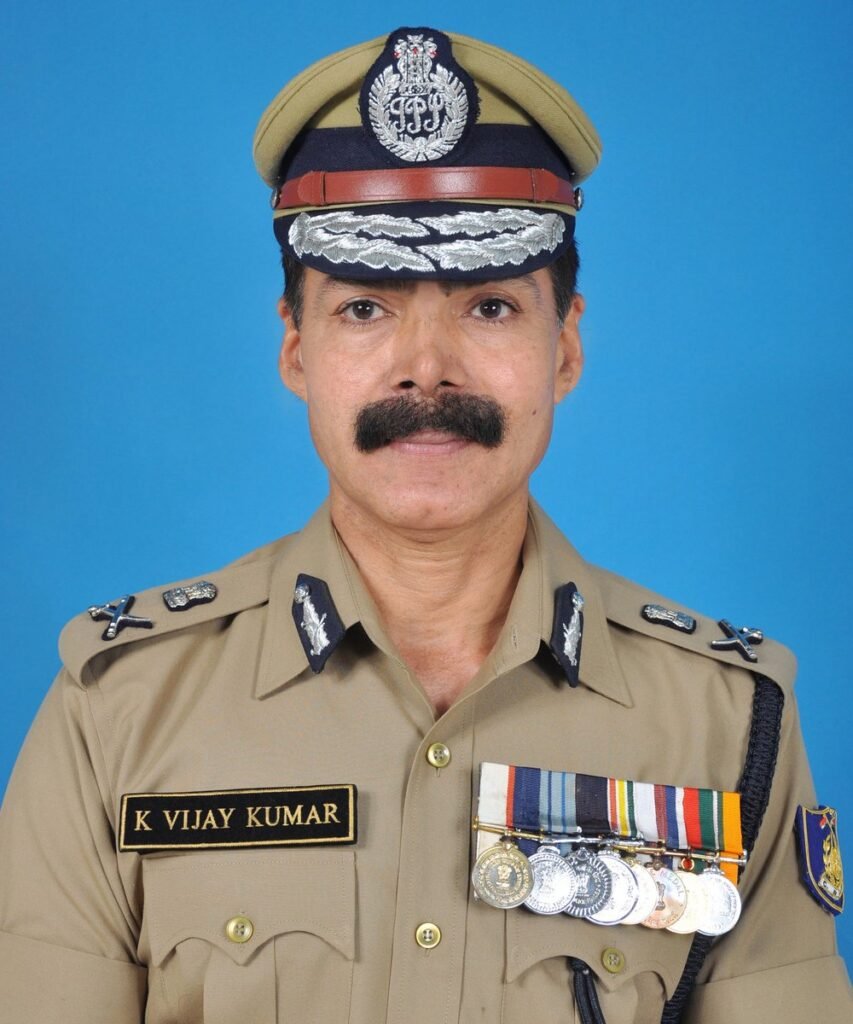
K. Vijay Kumar, a highly respected retired Indian Police Service officer, is known for his role in eliminating the dreaded bandit Veerappan and successfully leading anti-Naxal operations in the country. He was born on September 15, 1952, in Palakkad district, Kerala. His father also served as an Inspector in the police department. After completing his M.A degree from Madras Christian College, he was selected as an IPS officer in 1975. He was among the first batch of officers in the country’s most elite security force, the Special Protection Group (SPG), and commanded the personal security of Prime Minister Rajiv Gandhi from 1985 to 1990. During the volatile period of the Kargil War from 1999 to 2001, he served as the Inspector General of the Border Security Force in Srinagar. In 2004, as head of the Tamil Nadu Police’s Special Task Force, he led Operation Cocoon, eliminating the notorious sandalwood smuggler Veerappan. In, 2010 Dantewada Naxal attack, he also served as Director General of the Central Reserve Police Force (CRPF) and Police Commissioner of Chennai. He also served as the head of the Sardar Vallabhbhai Patel National Police Academy and as the senior security advisor to the Union Home Ministry. K. Vijay Kumar retired on September 30, 2012, from the highest post in his police career, the Director General of the Central Reserve Police Force. He has also chronicled his courageous police experience in his book, “Veerappan: Changing the Brigade.” Recognizing his exceptional strategic ability, the Government of India appointed him to several other highly important positions immediately after his retirement. Positions Held After Retirement Major Gallantry Awards
Om Birla : Lok Sabha Speaker
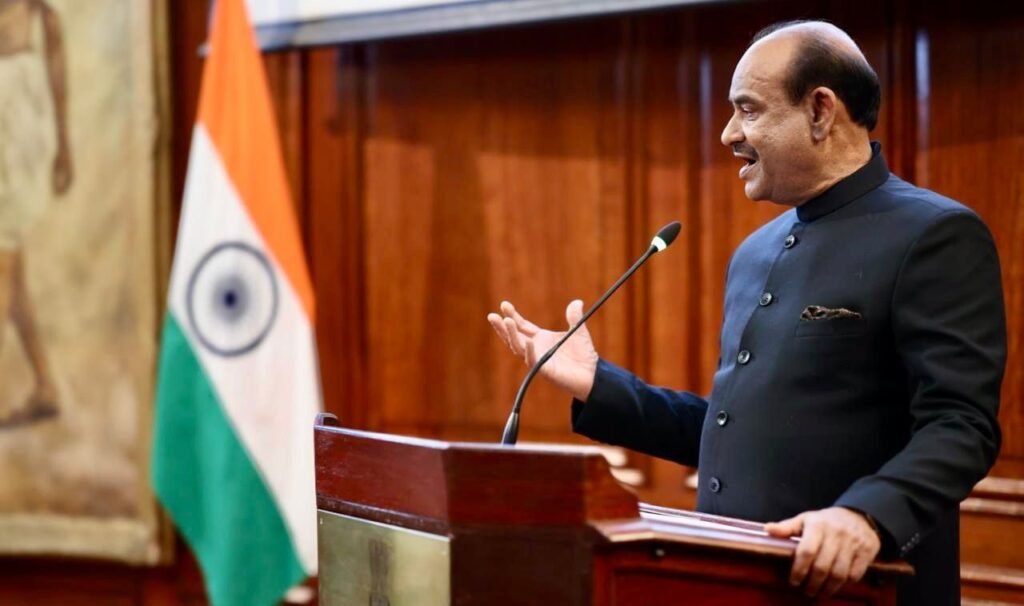
Om Birla, who is currently the 18th Speaker of the Lok Sabha of India and a senior leader of the Bharatiya Janata Party, was elected to the Lok Sabha from the Kota Bundi parliamentary constituency in Rajasthan in 2008. He was born on December 4, 1962, in Kota, Rajasthan. He received his early education at the Government Commerce College in Kota and graduated with a degree in Commerce from Maharishi Dayanand Saraswati University in Ajmer. He married Amita Birla, an Indian Civil Service officer, in 1991. As an MLA and MP, he also spearheaded numerous social welfare programs, including distributing clothes and books to vulnerable sections of society, organizing blood camps, free food programs for the poor, and a drug bank that provides free medicines. Om Birla began his political career with the Bharatiya Janata Yuva Morcha and was elected to the Rajasthan Legislative Assembly from Kota South in 2003, 2008, and 2013. He also became the Lok Sabha MP from Kota Bundi for the first time in 2014. He subsequently won the same seat in 2019 and 2024 by winning with a landslide victory. Birla has been a three-time MP from the Kota Lok Sabha constituency. He was elected to the Lok Sabha in the 16th, 17th, and 18th Lok Sabhas as a BJP candidate from the Kota constituency. In the 16th Lok Sabha, he was a member of the Standing Committee on Energy and the Advisory Committee of the Ministry of Social Justice and Empowerment. On June 19, 2019, Birla was elected Speaker of the 17th Lok Sabha following a motion by Prime Minister Modi of the Bharatiya Janata Party. He won the 2024 Lok Sabha Speaker election as the NDA candidate, subsequently becoming the Speaker of the Lok Sabha for the second consecutive term in the 18th Lok Sabha.
Administrative journey of young IAS officer Prateek Jain

Prateek Jain, a 2018 batch IAS officer of the Uttarakhand cadre, is known for his courageous disaster management, people-centric administrative work, and direct engagement with the public. He is prominently included among the youngest District Magistrates of Uttarakhand, having passed the UPSC exam at the age of just 25. During his tenure, he has cultivated a recognizable public image. Born on July 25, 1993, in Ajmer, Rajasthan, he received his primary education at St. Stephen’s School, Ajmer, and higher education from British Pilani, where he earned a BA (Hons) in Mechanical Engineering and an MSc in Biological Sciences. He also earned an MA in Public Management from Jawaharlal Nehru University, New Delhi. In 2016, he passed the Union Public Service Commission’s Forest Service examination on his first attempt, securing an All India Rank of 3. He trained as an IFS officer for approximately a year. In 2017, he passed the Civil Services Examination on his second attempt, achieving an All India Rank of 3. He became an IAS officer of the 2018 batch of the Uttarakhand cadre. He served as the District Magistrate of Rudraprayag from 2025 to February 2026, during which he conducted a foot inspection of the Kedarnath Yatra arrangements, a video of which went viral on social media. From February 2026 to February 2026, he also served as the Managing Director of the Garhwal Mandal Vikas Nigam. In 2026, he was appointed as the GST Commissioner and Inspector General of Registration and Stamp Duty of Uttarakhand. Prior to this, he held positions such as MD of SIDCUL, Director General of Industries, Chief Development Officer of Haridwar, and Deputy Collector/SDM of Nainital. His work has impressed people, and he has received overwhelmingly positive, respectful, and emotional reactions on social media. Among the people of Rudraprayag, Pratik Jain maintains a reputation as a public servant and a role model for youth. He is remembered with respect for his public welfare work and commendable transparency. Key Responsibilities Achievements
Dehradun’s New DM Dr. Ashish Chauhan Drops a Game-Changer Move for Cleaner Streets
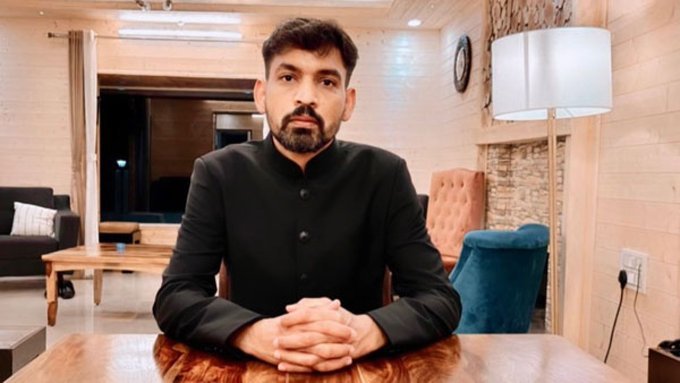
The new District Magistrate, Dr. Ashish Chauhan, just rolled out something pretty straightforward and smart that’s got everyone talking. No long meetings or fancy committees – he’s basically saying, “Show me the problem with your own eyes, and we’ll fix it fast.” In a fresh directive that’s being called quite unique, Dr. Chauhan has urged every resident of the capital to click pictures of dirty spots, broken roads, non-working streetlights, or any civic mess they see around their neighborhood. Just post it on Facebook and tag the relevant authorities or the DM’s office. The administration has promised to jump into action immediately. Dr. Chauhan seems to get that exasperation. He’s turning familiar citizens into eyes and ears on the ground. This isn’t some top-down order – it’s a undeviating line from you to the people who can honestly get things done. Dr. Ashish Chauhan isn’t new to tough assignments. He’s handled districts like Pauri, Pithoragarh, and Uttarkashi before stepping into Dehradun. Recently, he took surprise inspections, listened to hundreds of public grievances, and even cracked down on slow road repair work by stopping salaries of officials dragging their feet. This Facebook tagging system feels like a natural next step – making governance more transparent and responsive. Someone clicks it, tags it – boom, municipal team is there the next day. Potholes on Mussoorie Road making life hell for daily commuters? Documented and fixed without endless follow-ups. It’s simple technology meeting old-school accountability. Of course, for this to actually work, a few things need to fall in place. People have to participate honestly – no fake complaints or old photos just to create drama. The administration also has to stay true to their word and act quickly, not let the momentum die. But early signs look promising. Dr. Chauhan has already been pushing for better coordination between departments, and this digital citizen reporting seems designed to keep everyone on their toes. What’s really refreshing is the tone. It’s not “complain through proper channels after filling forms in triplicate.” It’s “Here’s your phone, capture reality, and let’s solve it together.” Dr. Chauhan’s move aligns with his bigger vision – making Dehradun a model city while conserve its natural beauty. He’s focused on public welfare, good governance, and quick solutions. Whether it’s cleaning drives or fixing infrastructure, the message is clear: citizens are partners, not just complainants. So, next time you’re out and spot something that shouldn’t be there – garbage piling up, a dangerous pothole, or darkness where a streetlight should be – don’t just scroll past. Grab your phone, take a clear picture with location if possible, and put it out there with the right tags. The DM’s team is watching, and action is promised. Let’s see how many of us step up and how fast the system delivers. Fingers crossed, but early days suggest Dr. Ashish Chauhan might just be the kind of administrator the city has been waiting for. Sources:
India’s First Dalit Railway Board Chairman..
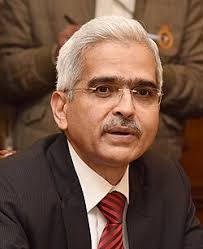
Satish Kumar, an Indian Railway Management Service officer who will assume charge as Chairman and Chief Executive Officer of the Railway Board on September 1, 2024, is the first Dalit officer to hold this position. He is a 1986 batch Indian Railway Service of Mechanical Engineers officer who began his career with the Indian Railways in 1988. Satish Kumar holds a B.Tech in Mechanical Engineering from the Malaviya National Institute of Technology, Jaipur, and a postgraduate diploma in Operations Management and Cyber Law from the Indira Gandhi National Open University. Major Contributions Awards and Honors