BJP’s Direct Public Outreach Strategy Ahead of Uttarakhand Assembly Elections
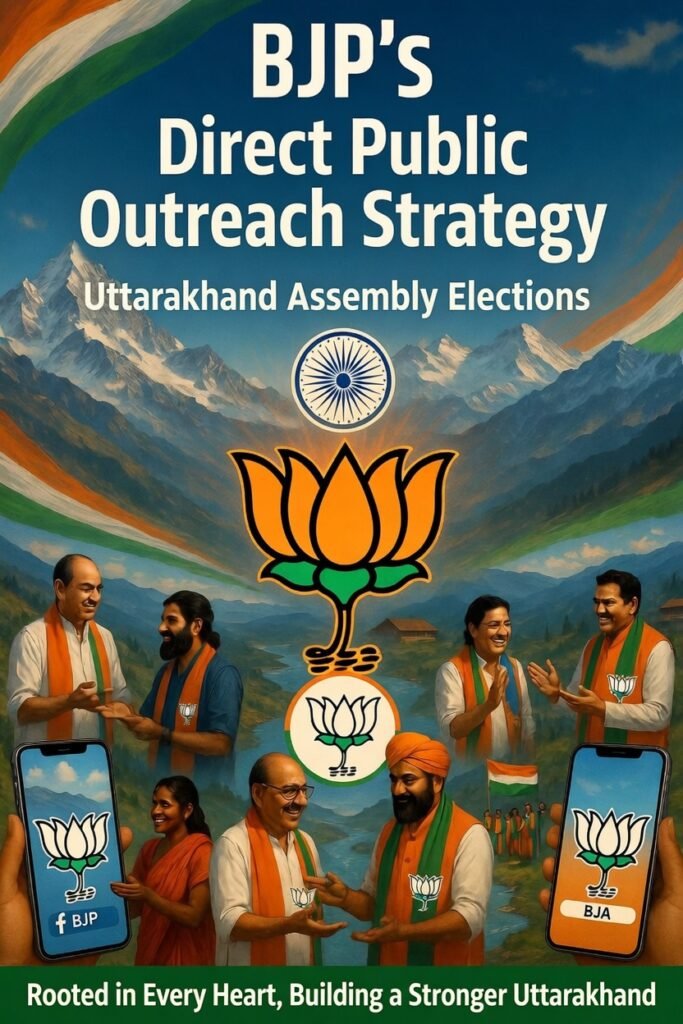
BJP, Uttarakhand,
Historic Shift in Bengal, BJP Storms to Power with Landslide Victory
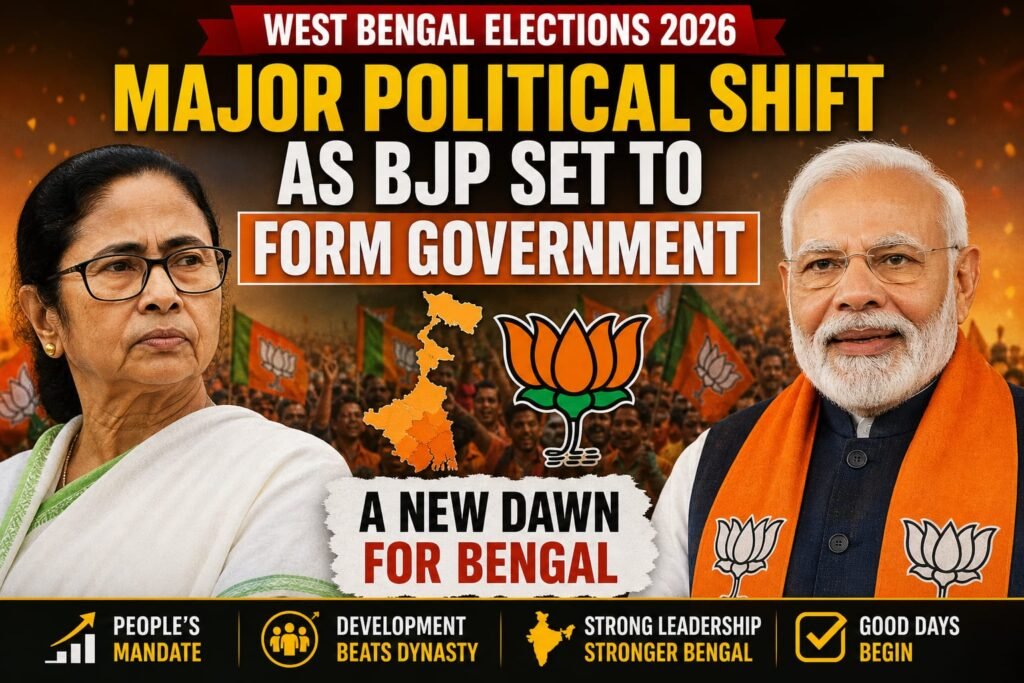
The results of the 2026 West Bengal Assembly elections have brought a significant shift in the state’s political landscape. The Bharatiya Janata Party (BJP) delivered a strong performance, winning 207 out of 294 seats and is now set to form the government in the state for the first time. On the other hand, the All India Trinamool Congress (TMC) managed to secure only 80 seats. Mamta Banjerjee defeated in Bhabanipur One of the biggest highlights of this election was the defeat of Mamata Banerjee. She lost from her stronghold, Bhabanipur, to her former aide-turned-BJP leader Suvendu Adhikari. This result is being seen as a major turning point in West Bengal politics. After the results, Mamata Banerjee raised concerns over the election process and alleged irregularities in seat outcomes. Meanwhile, Prime Minister Narendra Modi described the verdict as the people’s decision and said that West Bengal will now move forward on the path of development. Election with Controversy The election also saw controversy around the voter list. Under the Special Intensive Revision (SIR), a large number of names were removed, which added to the heated political environment. After this decisive victory, preparations are underway for the BJP’s swearing-in ceremony on May 9. This marks the beginning of a new chapter in West Bengal’s political history. It will be interesting to see how the new government shapes the state’s development and political balance in the coming years.
India’s Democracy: Voter Power vs. the Shadows of Caste, Lies, and Self-Serving Leaders
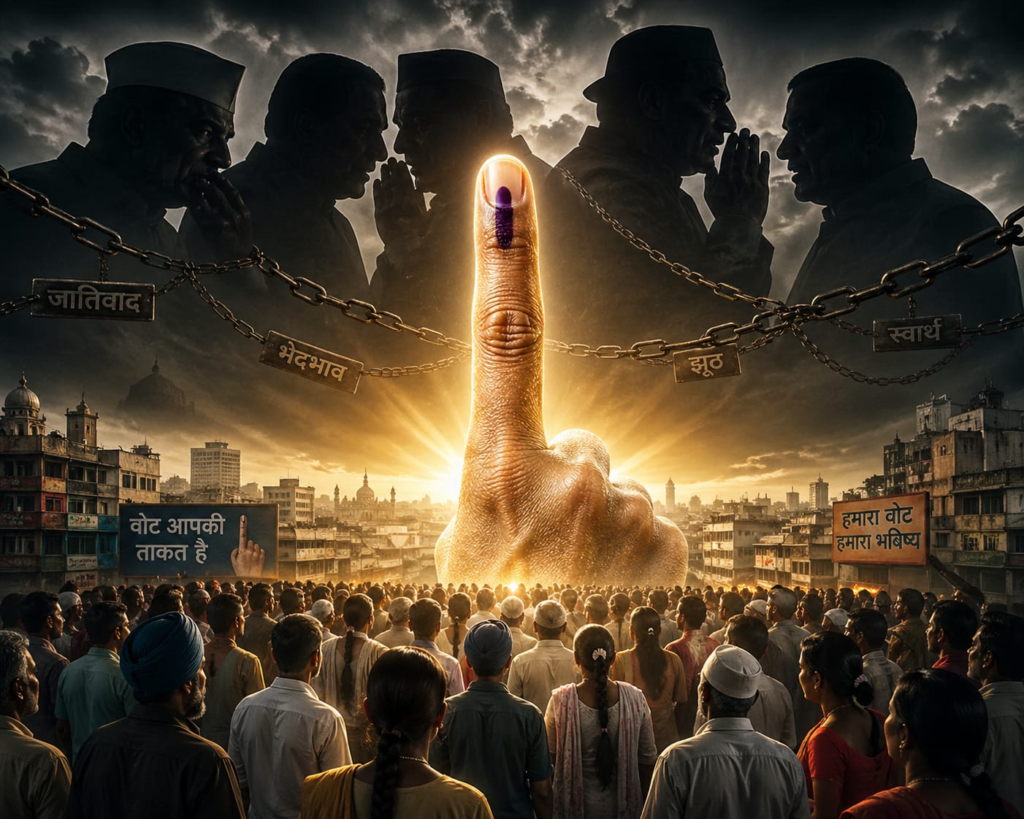
Politics entails much more than simply electing leaders or holding elections; in reality, it determines the quality of education our children receive, the standard of our hospitals, and how essential amenities—such as roads, electricity, and water—are provided. Furthermore, it is politics that determines how justice and equality are upheld within society. In simple terms, politics is inextricably linked to the everyday lives of ordinary people. Politics has two distinct facets: one is humanity, and the other is corruption. A politician, after all, is a human being; they possess their own thoughts, emotions, and limitations. Some leaders genuinely enter politics with the intention of serving and helping the public, while others step into the political arena solely for their own personal gain. If a leader introduces an affordable ration scheme for the poor, it reflects the humane aspect of politics; conversely, if a leader seeks to divide people along the lines of caste or religion, it indicates that they have entered politics solely for their own self-interest. India is a democratic nation, meaning that the public exercises its franchise to elect its most powerful leaders. In India, citizens cast their votes every five years to choose their representatives. While the act of voting to elect leaders ensures that every individual’s voice matters, the process also presents significant challenges—such as corruption, caste- and religion-based politics, and unfulfilled promises.