
India’s First Dalit Railway Board Chairman..
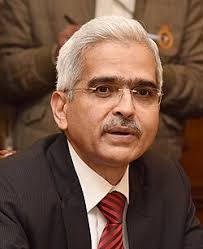
Satish Kumar, an Indian Railway Management Service officer who will assume charge as Chairman and Chief Executive Officer of the Railway Board on September 1, 2024, is the first Dalit officer to hold this position. He is a 1986 batch Indian Railway Service of Mechanical Engineers officer who began his career with the Indian Railways in 1988. Satish Kumar holds a B.Tech in Mechanical Engineering from the Malaviya National Institute of Technology, Jaipur, and a postgraduate diploma in Operations Management and Cyber Law from the Indira Gandhi National Open University. Major Contributions Awards and Honors
Ashok Kumar Lahiri Takes Charge as NITI Aayog Vice Chairman, Set to Drive India’s Viksit Bharat Vision
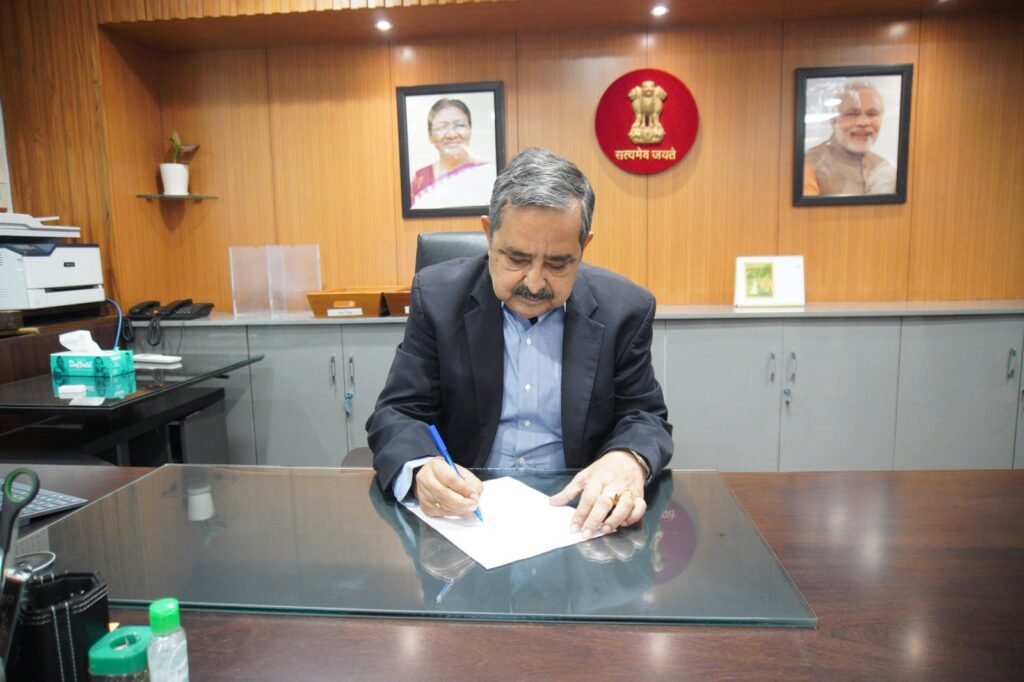
Economist Ashok Kumar Lahiri formally assumed the office of Vice Chairman of NITI Aayog on Friday. This appointment comes at a time when India is advancing rapidly with economic reforms, structural changes, and the long-term goal of a ‘Viksit Bharat’ (Developed India). Consequently, the role of an institution like NITI Aayog is considered more crucial than ever. Lahiri has succeeded Suman Bery in this role. He is counted among India’s most experienced and respected economists. His expertise spans several decades across the fields of economic policy, public finance, and institutional reforms, making him a key figure in the country’s policy-making landscape. Throughout his long career, Lahiri served as the Chief Economic Adviser to the Government of India and held significant responsibilities as a member of the 15th Finance Commission. Additionally, he has gained extensive experience by holding various leadership roles in academic institutions, government bodies, and international organizations. In a statement welcoming him, NITI Aayog noted that Lahiri’s expertise would further strengthen the institution’s capacity for evidence-based policy formulation. The Commission believes that his economic acumen and strategic vision will help steer the country’s development agenda in a new direction. This appointment takes place amidst an ongoing, comprehensive restructuring of NITI Aayog. In recent years, the central government has been working to make the institution more effective. The appointment of new full-time members and organizational changes aim to sharpen the focus on areas such as innovation, cooperative federalism, improved governance, and sustainable development. Prime Minister Narendra Modi has previously described NITI Aayog as a key pillar of India’s policy-making framework. He believes that Lahiri’s experience in economics and public policy will infuse new momentum and energy into the country’s reform journey. Experts view Ashok Lahiri’s appointment not merely as an administrative change, but as part of an effort to make India’s economic trajectory more data-driven, visionary, and result-oriented. At a time when the global economy is grappling with numerous challenges and uncertainties, their role could prove pivotal in keeping India on the path of rapid and balanced growth. In the coming years, NITI Aayog is expected to foster better coordination between the Centre and the states, accelerate policies that boost investment and job creation, and strengthen long-term strategies to achieve the goal of a developed India. New approaches and initiatives in this direction are anticipated under the leadership of Ashok Lahiri.
N. Muruganandam: The Strategic Bureaucrat Steering Tamil Nadu’s Administration as Its 50th Chief Secretary
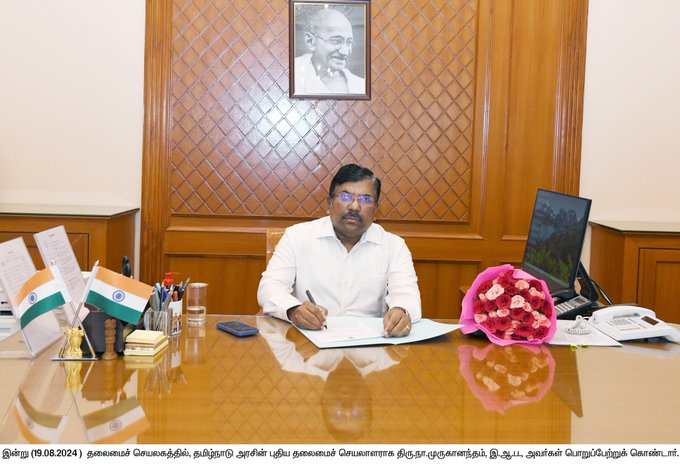
N. Muruganandam, a 1991-batch IAS officer, serves as the 50th Chief Secretary of Tamil Nadu. With over three decades of experience in the administrative service, he is known for his calm working style, meticulous planning, and result-oriented leadership. During his tenure as Collector in key districts such as Coimbatore, Karur, and Chennai, he demonstrated administrative efficiency and successfully implemented development-oriented policies. Career Throughout his career, Muruganandam has led strategic departments including Industries, Finance, and Investment Promotion. Even during the challenging times of the COVID-19 pandemic, he accelerated investment activities in the state and played a pivotal role in finalizing several major industrial investment agreements. Successive governments have consistently placed their trust in him due to his pragmatic approach and policy-making acumen. As Finance Secretary, he spearheaded the formulation and effective implementation of several key schemes focused on the economic empowerment of women, the expansion of higher education, and social welfare. His policies contributed significantly to delivering government assistance to millions of beneficiaries. An advocate of participatory governance and a long-term strategic vision, Muruganandam initiated various reforms aimed at increasing enrollment in higher education, simplifying administrative processes, and improving the quality of public services. His leadership qualities and administrative experience place him among the most respected officers in Tamil Nadu’s bureaucracy. Education
Harmeet Singh’s Tech-Driven Leadership Transforms Assam Policing, Crime Rate Drops to Historic Low
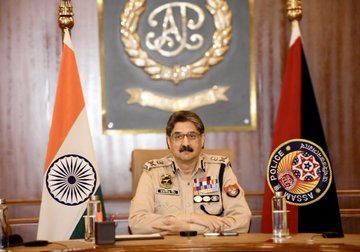
Harmeet Singh, a 1992-batch Indian Police Service (IPS) officer of the Assam-Meghalaya cadre, assumed the office of Director General of Police (DGP) of Assam in May 2025. Throughout his long and distinguished career, he has developed remarkable expertise in counter-terrorism operations, internal security, cybersecurity, and de-radicalization. Under his leadership, the Assam Police has made law enforcement more effective and responsive by adopting modern technology and data-driven strategies. A significant decline in Assam’s crime rate has been recorded during Singh’s tenure. While the crime rate stood at 349.5 in 2020, it dropped to 121.5 in 2025 and further to 101.9 by January 2026. This achievement is attributed to the strengthening of the state’s security apparatus and crime control mechanisms, alongside the adoption of a modern approach to policing. An advocate of citizen-centric policing, Harmeet Singh has launched several innovative initiatives to foster better communication between the police and the public. The ‘Assam Police Social Media Center’ is particularly noteworthy, as it has given a new direction to citizen engagement and information dissemination through digital platforms. The ‘Shishu Mitra Programme,’ launched to promote child-sensitive and trust-based policing, has also garnered widespread acclaim. The Assam Police’s ‘New Year Party’ social media campaign stands as a successful example of his public-relations-oriented mindset; it gained immense popularity on social media and received a positive response across the country. This campaign played a pivotal role in reinforcing the image of the police as a humane and friendly force. Throughout his career, Harmeet Singh has held numerous key leadership positions, most notably that of the Commissioner of Police, Guwahati. He has received several prestigious national and state-level honors for his outstanding service, gallantry, and leadership. His administrative approach is characterized by innovation, professional excellence, and an unwavering commitment to public service.
From SIDBI to PFRDA: S. Raman Brings Decades of Financial Leadership to India’s Pension Regulator
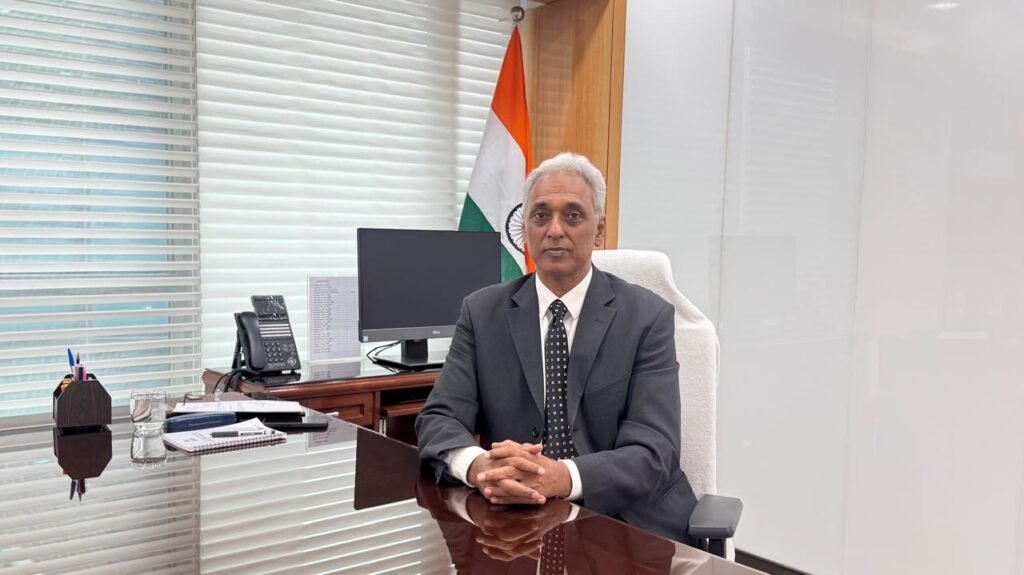
Subramaniam Raman, an IA&AS officer of the 1991 batch, serves as the Chairperson of the Pension Fund Regulatory and Development Authority (PFRDA); he assumed this role on June 20, 2025, for a five-year term. Prior to this, he held the positions of Deputy Comptroller and Auditor General and Chief Technology Officer at the Office of the Comptroller and Auditor General of India. His career has spanned the fields of public finance technology and financial regulation. Before becoming the PFRDA Chairperson, S. Raman served as the Chairman and Managing Director of the Small Industries Development Bank of India (SIDBI). He also held the positions of MD and CEO of National E-Governance Services Limited and Executive Director at the Securities and Exchange Board of India (SEBI). His leadership reflects a strong commitment to financial stability, institutional development, and inclusive economic growth. Regarding his educational and professional qualifications, S. Raman holds a B.A. in Economics from St. Stephen’s College and an MBA from the Faculty of Management Studies (FMS), Delhi. He subsequently earned an M.Sc. in Financial Regulation from the London School of Economics and Political Science and a Bachelor of Laws (LL.B.) degree from the University of Mumbai. As PFRDA Chairperson, he has focused on expanding the reach of the National Pension System (NPS) by simplifying distribution norms and designing improved payout and annuity frameworks for the accumulation phase of an individual’s financial journey. Leveraging his extensive experience in public finance and governance, he has contributed significantly to strengthening India’s financial system and enhancing transparency within it. As Deputy Comptroller and Auditor General, he worked to improve audit and accountability mechanisms, while his tenure as Chairman and Managing Director of SIDBI focused on supporting MSMEs and increasing access to finance.
From Ziro Valley to DGP: Robin Hibu Creates History as Arunachal Pradesh’s First IPS Officer to Reach the Top Rank
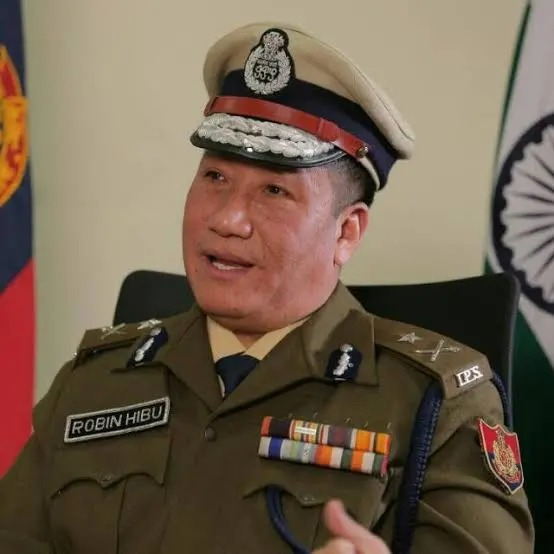
Robin Hibu, an officer of the 1993 AGMUT cadre, made history as the first IPS officer from Arunachal Pradesh. Currently serving as the Special Commissioner of Police (Human Resources) in the Delhi Police, he has recently been promoted to the rank of Director General of Police (DGP). His journey—from the remote Ziro Valley to the highest echelons of the Indian Police Service—is truly inspiring. Throughout a career spanning over three decades, Robin Hibu has built a strong bridge between law enforcement and public service. He earned his promotion to the rank of DGP based on his outstanding service, leadership capabilities, and consistently excellent Annual Confidential Reports (ACRs). He has received numerous prestigious honors, including the President’s Police Medal for Meritorious Service, the President’s Police Medal for Distinguished Service, and the Ati-Utkrisht Seva Padak (Medal for Exemplary Service). He has held several key responsibilities within the Delhi Police. He served as the Chief Security Officer (CSO) of Rashtrapati Bhavan, where he led the security arrangements for the nation’s highest constitutional institution. Additionally, as the Managing Director of the Delhi Police Housing Corporation, he made significant contributions to the welfare of police personnel and the development of infrastructure. Robin Hibu’s most notable initiative is his social organization, “Helping Hands.” This organization provides emergency assistance, legal counsel, educational support, medical aid, and rations to citizens in need, including people from the North-East. During the COVID-19 pandemic, the organization set a remarkable example of humanitarian service by delivering relief to thousands of people. He has also consistently raised his voice against issues such as racial discrimination and racial profiling faced by people from the North-East. By establishing networks like the ‘Crime Victim Group,’ ‘Student Leader Group,’ and ‘SOS Group,’ he has provided immediate aid and institutional support to victims. His efforts have strengthened the sense of security and trust among the North-Eastern community living in metropolitan cities. His commitment to public service and social causes has earned him respect across the country. His work has been appreciated by numerous national figures, including Prime Minister Narendra Modi, Arunachal Pradesh Chief Minister Pema Khandu, and world-renowned boxer Mary Kom. Today, Robin Hibu is recognized not only as a senior police officer but also as a symbol of leadership, sensitivity, and social change.
Deepshikha Sharma: The Tech-Savvy IAS Officer Driving Transparent Governance and Sustainable Development in Ferozepur
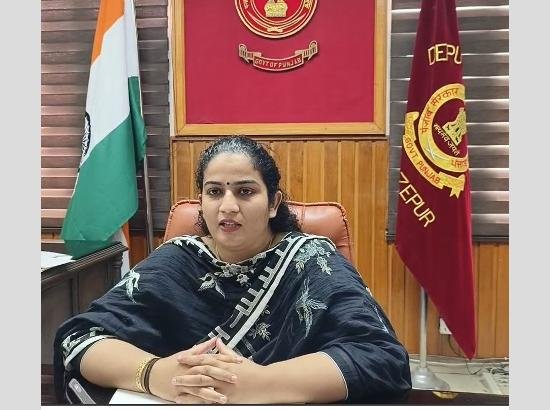
Deepshikha Sharma is a 2015-batch IAS officer (Punjab cadre) currently serving as the Deputy Commissioner and District Magistrate of Ferozepur. Since assuming office on September 13, 2024, she has focused intensely on making the administration more transparent, accountable, and citizen-centric. With a background in Electronics and Communication Engineering, she is known for integrating technology and data-driven governance into effective administrative practices. As the head of the district administration, she has accorded top priority to disaster management and public safety. Her proactive monitoring, swift decision-making, and coordinated strategies during situations such as flood threats and rising water levels have strengthened the relief and rescue mechanisms. Under her leadership, the administration has emphasized advance preparedness to mitigate risks and ensure the safety of vulnerable areas. She has also made significant contributions to the conservation of natural resources. She has promoted scientific water planning and sustainable agricultural practices, while fostering groundwater and aquifer management through initiatives like NAQUIM 2.0. Her objective has been to devise long-term solutions to water-related challenges and encourage farmers to optimize resource utilization. She has played a pivotal role in environmental conservation and the strengthening of democratic processes. To tackle the issue of stubble burning, she facilitated coordination among various departments, farmers, and experts; simultaneously, in the realm of election administration, she oversaw activities such as the Special Intensive Revision (SIR) to ensure the accuracy and transparency of electoral rolls. Her working style exemplifies an effective balance between development, environmental sustainability, and good governance.
From Ayodhya to Saharanpur: IPS Officer Ashish Tiwari’s Technology-Driven Policing Model Earns National and Global Recognition
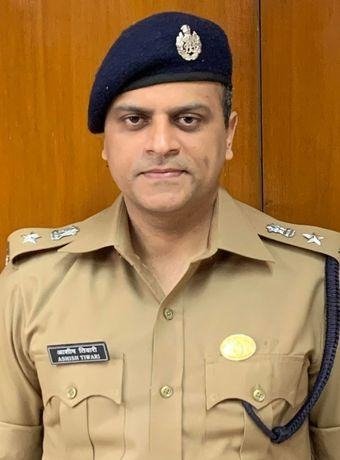
Ashish Tiwari is a 2012-batch IPS officer of the Uttar Pradesh cadre and currently serves as the Senior Superintendent of Police (SSP) of Saharanpur. He is recognized as an officer who champions technology-driven, data-based, and citizen-centric policing models. Throughout his career, he has held leadership roles in several key districts, including Jhansi, Varanasi, Mirzapur, Etah, Jaunpur, Firozabad, and Ayodhya. In these districts, he placed special emphasis on strengthening community policing, public engagement, and digital administrative systems. His tenure as the police chief of Ayodhya was particularly noteworthy. During a period of sensitive and historic significance, he played a pivotal role in maintaining law and order, fostering trust among diverse communities, and ensuring peace. An alumnus of IIT Kharagpur, Ashish Tiwari has effectively implemented technological innovations in policing. Initiatives such as monitoring and curbing fake news, establishing tech-based mechanisms to trace missing children, and institutionalizing ‘SMART’ policing have directly impacted millions of citizens in Uttar Pradesh. He also spearheaded extensive public awareness campaigns against social crimes through women-led grassroots initiatives. These efforts not only fostered trust between the community and the police but also made crime prevention a more participatory process. His innovations and leadership capabilities have garnered international recognition. He was named among the global “40 Under 40” policing leaders by the International Association of Chiefs of Police. Additionally, he has received numerous national awards for innovation in policing, digital transformation, and public service.
Radha Bahin Bhatt – The Gandhi of the Hills [UTTARAKHAND]
![Radha Bahin Bhatt - The Gandhi of the Hills [UTTARAKHAND]](https://theciviccode.com/wp-content/uploads/2026/06/radha-1024x683.jpg)
Radha Behn Bhatt, an Indian Gandhian social activist from Uttarakhand, works for environmental protection and women’s empowerment. She was born on October 16, 1931, in Dhurka village near Almora, Uttarakhand. She was influenced by Sarala Behn, a prominent Gandhian social activist and disciple of Mahatma Gandhi. She is also known as the “Gandhi of the Hills.” In 1951, she joined the Kasturba Mahila Utthan Mandal in Kausani, an ashram dedicated to the upliftment and education of women in the hills of Uttarakhand. Through Gandhian values, she played a major role in strengthening environmental protection, girls’ education, and women’s empowerment. In 1957, she actively participated in the Bhoodan movement started by Vinoba Bhave and also participated in padayatras for land reform in Uttar Pradesh and Assam. She also established vocational training schools for fellow women and taught spinning and weaving to make them self-reliant. She also led the “One Hour School” initiative to improve girls’ access to education. From 1961 to 1965, she worked on issues such as Gram Swaraj, the anti-alcohol movement, forest conservation, women’s empowerment, and the upliftment of adolescent girls who grazed cows and goats. In 1970, when conservation concerns rose in the Himalayas, she actively participated in the Chipko movement, a non-violent grassroots resistance in which villagers, primarily women, adopted the Chipko movement to prevent tree felling. She also advocated for sustainable development practices and campaigned against opencast mining and large dam construction in fragile mountain ecosystems, which threatened local ecosystems and livelihoods. In addition to protests, she led important tree-planting campaigns and contributed to the planting of over a thousand trees in Pithoragarh and. During her long career, she held important leadership positions in various national Gandhian organizations, including serving as President of the Gandhi Peace Foundation in Delhi, and was closely associated with the Himalaya Seva Sangh and the Kasturba Gandhi National Memorial Trust, promoting the principles of Gram Swaraj and Sunrise. From 2006 to 2010, she surveyed the Himalayas and rivers of Uttarakhand, during which she opposed hydropower projects being built on the rivers. She also wrote a book titled “Daughters of the Himalayas,” which was published in German and Danish. Awards and Honors
Arjan Singh: Marshal of the Indian Air Force
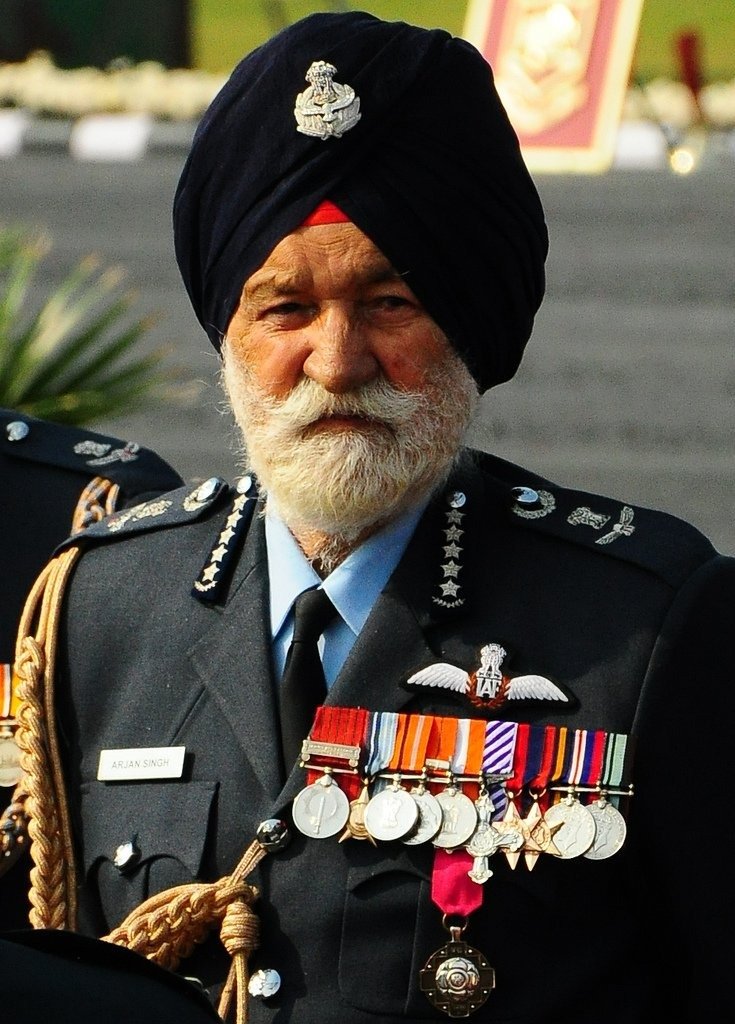
Arjan Singh—the only officer of the Indian Air Force to be promoted to the five-star rank of Marshal of the Air Force—was born on April 15, 1919, in Lyallpur, Punjab, and passed away on September 16, 2017, in Delhi. Following his retirement from the Air Force, he also served the Government of India in various political, diplomatic, and advisory capacities. From 1989 to 1990, he held the position of Lieutenant Governor of Delhi, and in 2002, he was conferred with the rank of Marshal of the Indian Air Force. He was the first officer of the Indian Air Force to hold the rank of Air Chief Marshal. Arjan received his early education in Montgomery, British India; he entered the Royal Air Force College, Cranwell, in 1938 and was commissioned as a Pilot Officer in 1939. In 1945, he commanded the Indian Air Force’s first demonstration flight. He once faced a court-martial for flying at an extremely low altitude over a populated area in Kerala. He retired from active service in 1969 at the age of 50. In 1971, he was appointed as India’s Ambassador to Switzerland. He displayed unparalleled valor and leadership during the Second World War and the Indo-Pak Wars. He played a pivotal role in establishing the Indian Air Force as a modern and formidable fighting force. After retirement, he rendered diplomatic services to the nation and continued to serve society as the Lieutenant Governor of Delhi. Additionally, he donated ₹2 crore from his personal assets to the Indian Air Force Veterans Fund. Honors and Awards