
Krishna K. Yadav: Modernizing India’s Postal Services with Technology, Vision, and People-Centric Governance
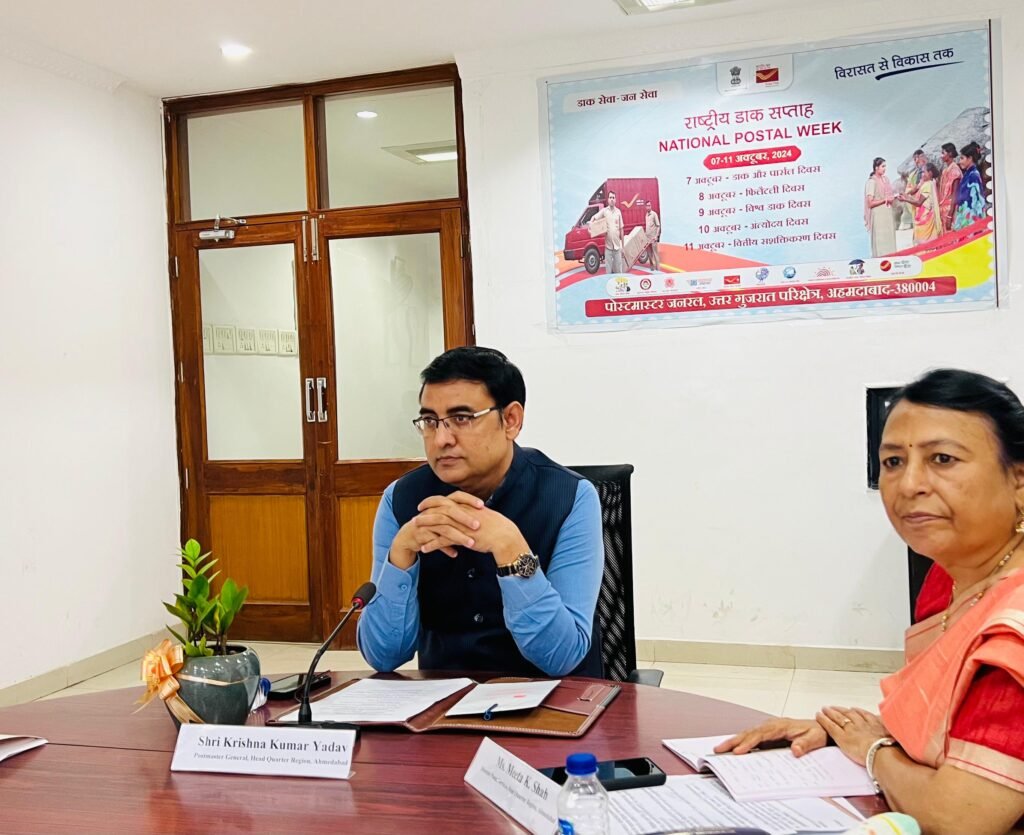
Krishna K. Yadav is a senior officer of the Indian Postal Service (IPoS) and currently serves as the Postmaster General of the North Gujarat Region. Over an administrative career spanning more than two decades, he has made significant contributions toward making the Department of Posts more modern, effective, and people-centric. His working style is characterized by a balanced blend of technological innovation, good governance, and sensitivity toward the needs of the common citizen. Throughout his long tenure, Yadav has held positions of responsibility in numerous key regions across the country, including Surat, Lucknow, Kanpur, Prayagraj, Jodhpur, Varanasi, Ahmedabad, and the Andaman and Nicobar Islands. Working amidst diverse geographical and socio-cultural landscapes, he spearheaded several key initiatives aimed at enhancing administrative efficiency, improving service quality, and strengthening digital infrastructure. Under his leadership, special emphasis was placed on extending postal services to the last mile and making them more accessible to citizens. Yadav firmly believes that post offices are not merely conduits for the delivery of letters and parcels, but serve as powerful bridges connecting society with the administration. In line with this philosophy, he championed the integration of technology into postal services, thereby rendering service delivery more transparent, swift, and reliable. His efforts to bolster citizen-centric services—in both rural and urban areas—have garnered widespread acclaim. Most recently, he inaugurated Gujarat’s first Gen-Z themed post office at the Indian Institute of Technology Gandhinagar (IIT Gandhinagar). This initiative marks a pivotal step toward engaging the youth with postal services and transforming traditional post offices into modern, technology-enabled, and innovation-driven spaces. This endeavor also reflects a broader vision of fostering greater youth participation in the communication and postal sectors, while making post offices more relevant to the new generation. Beyond his administrative responsibilities, Krishna K. Yadav is also a distinguished name in the realm of literature and writing. He is the author of several books, and his works reflect a profound understanding of society, culture, rural life, and human values. His dual identity—as both a civil servant and a litterateur—sets him apart as a truly unique figure. A sensitive outlook, creative thinking, and dedication to public service have earned him respect in both the administrative and literary spheres.
From IBC Reforms to Financial Literacy: Anita Shah Akella’s Impact on India’s Corporate Governance Landscape
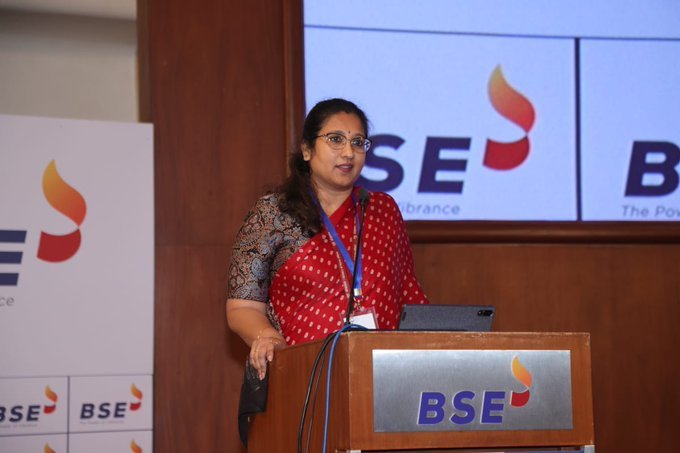
Anita Shah Akella is a 1996-batch officer of the Indian Audit and Accounts Service (IA&AS). Currently, she serves as the Joint Secretary in the Ministry of Corporate Affairs and as the Chief Executive Officer (CEO) of the Investor Education and Protection Fund (IEPF) Authority. Through her administrative experience and policy-oriented perspective, she has made significant contributions toward strengthening India’s corporate and financial governance framework. Her role in efforts to reform India’s insolvency and debt resolution mechanism has been particularly noteworthy. She spearheaded the drafting of the Insolvency and Bankruptcy Code (Amendment) Bill, 2025, as well as the extensive consultation process involving various stakeholders. This was a significant policy initiative spanning nearly three years, aimed at making insolvency processes more effective, transparent, and time-bound. The primary focus of the amendments formulated under her leadership has been to minimize procedural delays, simplify the resolution process, and ensure the expedited and improved disposal of cases under the Insolvency and Bankruptcy Code (IBC). These reforms have laid a crucial foundation for making India’s debt resolution framework more efficient and investor-friendly. As an ex-officio member of the Insolvency and Bankruptcy Board of India (IBBI), Anita Shah Akella has also played a pivotal role in driving comprehensive and multi-faceted reforms within the Code. She firmly believes that, alongside changing economic dynamics, laws must also remain flexible, pragmatic, and solution-oriented to effectively address emerging challenges. In addition to insolvency reforms, she has been a staunch advocate for promoting investor protection and financial awareness. She has placed special emphasis on strengthening digital grievance redressal systems, simplifying the processes for settling investor claims, and expanding financial literacy. Through her diverse initiatives, Anita Shah Akella has fostered transparency, accountability, and efficiency within the realm of corporate governance. Their policy initiatives not only safeguard the interests of investors but also make a significant contribution to making India’s corporate governance framework more credible and effective.
Ajay Singhal’s Contribution to Business and Society
Ajay Singhal, a senior officer of the 1998 batch of the Indian Radio Regulatory Service, is currently employed with the Wireless Monitoring Organization of the Department of Telecommunications, Ministry of Communications. He was born in Bhopal and completed his early education there, after which he also received education at Singhal Nalanda and Campion. Ajay Singhal, a senior IRRS officer of the WMO, DOT, was honored with the prestigious “Honor of Ashoka Award” for Indian bureaucracy at the India Habitat Centre in New Delhi. Ajay Singhal has been in public service for the past 25 years. During his 25-year career, he has earned accolades and the title of Spectrum Man for his exceptional contributions, pioneering work, innovation, and out-of-the-box thinking in the field of spectrum monitoring and enforcement. Ajay Singhal was born on February 21, 1976, in Bhopal. He currently serves as a senior officer in the Indian Radio Regulatory Service under the Ministry of Communications. He began his career with his first posting in Jammu and Kashmir, a region known for its challenging circumstances, where Ajay Singhal displayed exceptional courage and dedication. He continued his dedication in Madhya Pradesh. In Madhya Pradesh, he exposed the issue of revenue non-recovery due to irregular spectrum use and played a key role in establishing wireless monitoring stations in Bhopal and Raipur. He also developed portable spectrum scanning devices that revolutionized India’s ability to detect and analyze cellular signals. He also led a nationwide campaign against illegal mobile boosters. He combined public awareness and administrative action, resulting in the removal of thousands of such devices in several major cities, including Delhi, by individuals who voluntarily confiscated them. This model was later adopted as standard operating procedure by the Department of Telecommunications.
From Prison Reforms to Article 370 Verdict: Justice Surya Kant Leaves Strong Mark on Indian Judiciary
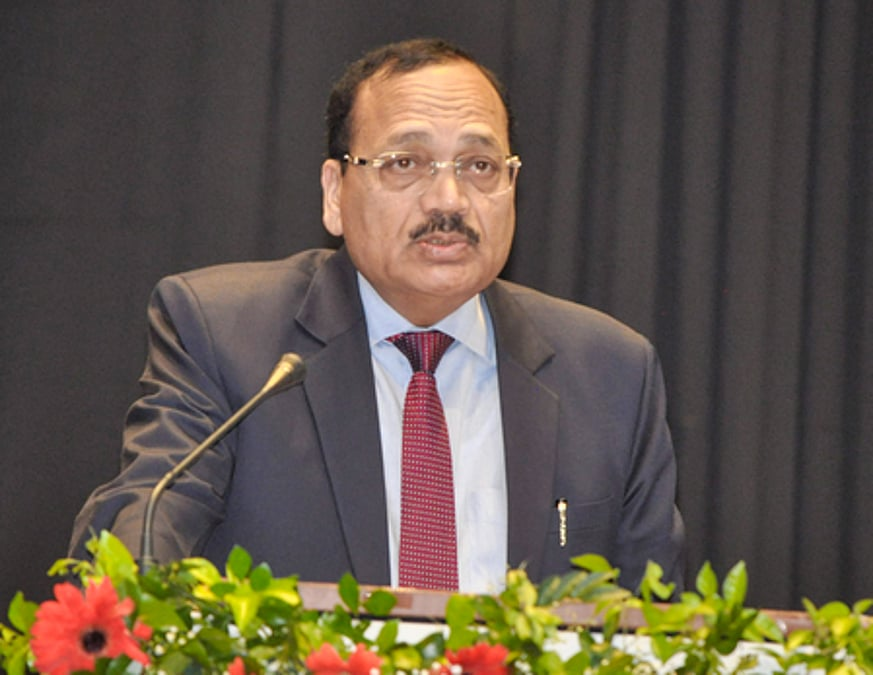
Justice Surya Kant serves as the head of the Supreme Court of India and the highest-ranking official of the Indian judiciary, currently holding the office of the 53rd Chief Justice of India. He was born in 1962 in the village of Petwar, located in the Hisar district of Haryana. In 1984, he completed his graduation in Law from Maharshi Dayanand University, Rohtak; subsequently, in 2011, he secured the first position with First Class honors in his Master of Laws (LL.M.) from Kurukshetra University. Prior to becoming a judge, he served as a Senior Advocate and also held the position of Advocate General for the State of Haryana. Positions Held January 9, 2004: Appointed as a Judge of the Punjab and Haryana High Court. February 23, 2007: Nominated as a Member of the National Legal Services Authority (NALSA) for two terms. October 5, 2018: Took the oath as the Chief Justice of the Himachal Pradesh High Court. May 9, 2019: The Supreme Court Collegium, headed by Chief Justice Ranjan Gogoi, recommended his elevation to the Supreme Court of India. May 24, 2019: Took the oath as a Judge of the Supreme Court. Notable Work Justice Surya Kant has delivered significant judgments concerning human rights, gender justice, legal education, and prison reforms. During his tenure at the Punjab and Haryana High Court, he issued directives to the State of Punjab to constitute a Prison Reforms Committee, aimed at formulating a scheme to facilitate conjugal and family visits for prison inmates. His notable contributions include upholding the constitutional validity of the Electoral Bonds Scheme, adjudicating the Pegasus spyware case, ordering the suspension of the Sedition Law, and ruling on the abrogation of Article 370 of the Constitution, which revoked the special status previously accorded to the erstwhile State of Jammu and Kashmir. Honors and Awards Maharshi Dayanand University Honor: In 2026, Maharshi Dayanand University conferred the ‘Distinguished Alumnus Award’ upon Justice Surya Kant—a former student of the institution—in recognition of his impartiality, human sensitivity, and unwavering faith in the Constitution. Delhi High Court Bar Association Honor: He was felicitated by the Delhi High Court Bar Association on the occasion of his appointment as the 53rd Chief Justice of India.
Utpal Kumar Singh: From Steering Uttarakhand Through COVID-19 to Leading Lok Sabha Administration
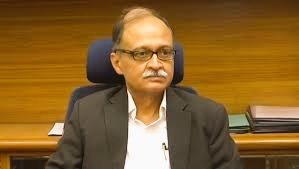
Utpal Kumar Singh is a retired officer of the Indian Administrative Service (IAS) belonging to the Uttarakhand cadre. He was born on July 29, 1960, in Malyampur village, Barhat Block, in the Jamui district of Bihar. Currently, he serves as the Secretary-General of the Lok Sabha. He earned his Bachelor’s and Master’s degrees in History from the University of Delhi and the Institute of Social Studies. Additionally, he obtained a degree in Public Policy and Management from a university located in The Hague, Netherlands. Utpal Kumar Singh has held numerous significant positions across the Central Government and various State Governments, including that of Chief Secretary of Uttarakhand, and has served in key central roles spanning departments such as Public Works (PWD), Agriculture, and Personnel. Key Achievements Chief Secretary of Uttarakhand: He performed exemplary work as the Chief Secretary of the Government of Uttarakhand, particularly for his public-spirited efforts aimed at making the state—known as ‘Devbhoomi’—free from COVID-19. Mega Events: He played a pivotal role in the management and organization of the Ardh Kumbh Mela held in Haridwar. World Bank Projects: Throughout his career, he was instrumental in managing World Bank-funded projects and formulating policies for various infrastructure development initiatives.
Ajay Seth appointed as IRDAI Chairman after steering India’s economic affairs and finance ministry reforms
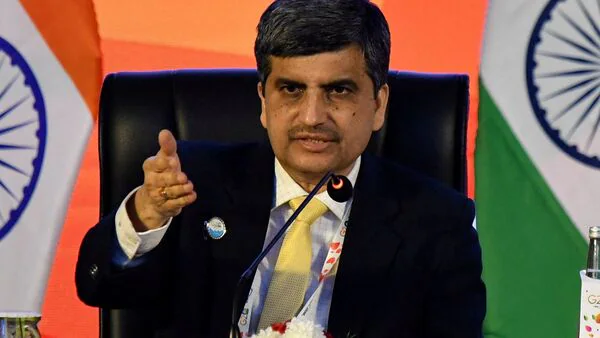
Ajay Seth, the incumbent Chairman of India’s Insurance Regulatory and Development Authority (IRDAI), is a retired IAS officer of the 1987 batch from the Karnataka cadre; he has served in this capacity since September 2025. Prior to his tenure at the IRDAI, he held pivotal positions within India’s Ministry of Finance, serving as both the Finance Secretary and the Secretary of Economic Affairs. He was born on June 30, 1965, in India. He earned a B.Tech degree in Mechanical Engineering from IIT Roorkee and an MBA degree from the Ateneo de Manila University in the Philippines. Within the Government of Karnataka, Ajay Seth served in various key and diverse roles, notably as the Principal Secretary for Infrastructure Development, Urban Development, and the Planning Department. Between 2000 and 2004, he served as a Deputy Secretary in the Department of Expenditure and the Department of Economic Affairs within the Union Ministry of Finance. Subsequently, from 2004 to 2008, he served as an Advisor to the Executive Director at the Asian Development Bank. Later, within the Government of Karnataka, he served as the Principal Secretary for the Department of Health and Family Welfare and as the Commissioner of Commercial Taxes. His tenure as the Commissioner of the Commercial Taxes Department is recognized for ushering in numerous reforms in commercial tax administration, for which he was honored with the Prime Minister’s Award for Excellence in Public Administration in 2013. In July 2018, he was appointed as the Managing Director of the Bangalore Metro Rail Corporation Limited (BMRCL), a position he held until April 2021. In April 2021, the Government of India appointed Ajay Seth as the Secretary of Economic Affairs. This appointment marked his return to the Central Government after a hiatus of 13 years. In March 2025, the government appointed Ajay Seth as India’s new Finance Secretary. This appointment took place after Tuhin Kanta Pandey stepped down from the post of Finance Secretary to assume the chairmanship of SEBI. After stepping down from both his previous positions, Ajay Seth assumed the office of Chairperson of the Insurance Regulatory and Development Authority for a three-year term, effective September 1, 2025.
Pramod Kumar Mishra: Veteran IAS Officer and Architect of Key Administrative Reforms in India
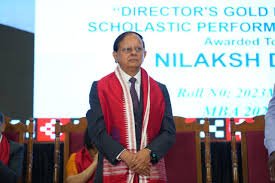
Dr. Pramod Kumar Mishra, serving as the Principal Secretary to Prime Minister Narendra Modi, is a retired Indian Administrative Service (IAS) officer of the 1972 Gujarat cadre, who has held this position since 2019.Dr. Pramod Kumar Mishra was born on August 11, 1948, in the Sambalpur district of Odisha. He completed his primary education in the Sambalpur district of Odisha, after which he pursued higher studies at the Delhi School of Economics, where he earned a Master’s degree. Subsequently, he obtained a Ph.D. in Economics and Development Studies from the University of Sussex in the UK. Career On September 11, 2019, he was appointed as the Principal Secretary to the Prime Minister of India. In addition to serving as the Additional Principal Secretary in the Prime Minister’s Office, he has held various significant positions in both the Government of India and the Government of Gujarat. These roles include Additional Chief Secretary, Principal Secretary to the Chief Minister of Gujarat, Member of the Gujarat Electricity Board, and District Magistrate and Collector for the Mehsana and Banaskantha districts within the Gujarat government. Furthermore, within the Government of India, he has served as the Union Agriculture Secretary, Special Secretary in the Ministry of Home Affairs, Secretary in the Ministry of Urban Development, and as a Member of the National Capital Region Planning Board. After retiring from the Indian Administrative Service, he was appointed by the Chief Minister of Gujarat as the Chairman of the Gujarat Electricity Regulatory Commission. His tenure as the Commission’s Chairman concluded on August 11, 2013, at which time he had reached the age of 65. Upon Narendra Modi becoming Prime Minister, Dr. Mishra was appointed as the Additional Principal Secretary to the Prime Minister. He was accorded this position with the rank and status of a Cabinet Secretary—considered the highest bureaucratic post in the Government of India—and was subsequently re-appointed to this role. Alongside Dr. Pramod Kumar Mishra, the effective Principal Secretary, Mr. Nripendra Mishra, was also re-appointed; these appointments were designated to run concurrently with Prime Minister Modi’s tenure. Awards In 2019, he was honored with the prestigious United Nations Sasakawa Award for his outstanding contributions to disaster risk reduction.
Govind Mohan: From IIT BHU and IIM Ahmedabad to India’s Home Secretary
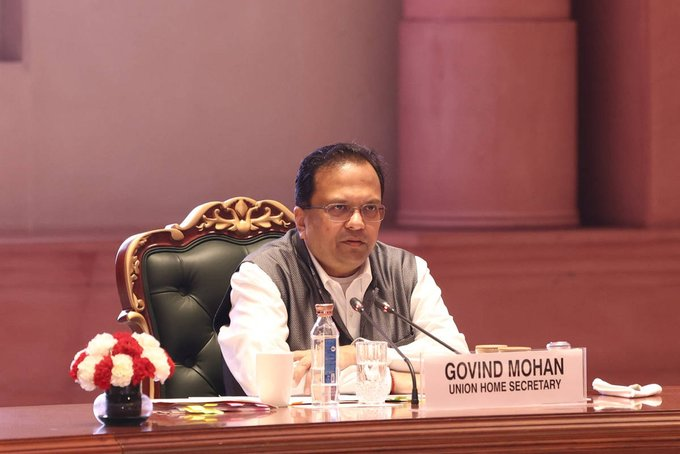
Govind Mohan (born September 21, 1965) is a 1989-batch Indian Administrative Service (IAS) officer of the Sikkim cadre, currently serving as the Home Secretary of India since August 23, 2024. He was born in Uttar Pradesh. His father served as a Chief Engineer in the Public Works Department. Mohan received his early education at St. Joseph’s College and St. Francis College in Uttarakhand, completing his schooling in March 1982. Subsequently, he pursued a B.Tech degree at IIT BHU, studying there from July 1982 to March 1986. He went on to complete his MBA at IIM Ahmedabad, studying from July 1986 to March 1988. Throughout his administrative career, Govind Mohan has held several significant positions. Prior to becoming the Home Secretary, he served as the Secretary in the Ministry of Culture, Government of India. Additionally, he served as a Joint Secretary and Additional Secretary in the Ministry of Home Affairs, as well as a Joint Secretary in the Department of Economic Affairs within the Ministry of Finance. Mohan has also served as a Divisional Head for Union Territories and held the position of Principal Resident Commissioner for the Government of Sikkim.
T. V. Somanathan: The Technocrat Steering India’s Top Bureaucratic Office
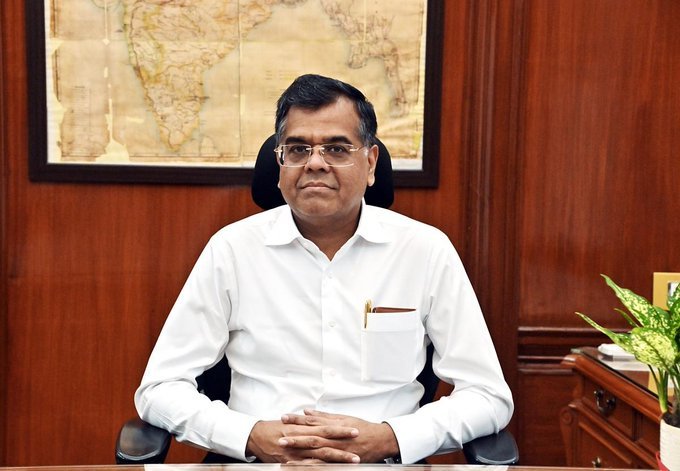
Dr. T.V. Somanathan serves as the Cabinet Secretary of India, holding the highest-ranking civil service position within the Government of India. An officer of the 1987 batch of the Indian Administrative Service (IAS) from the Tamil Nadu cadre, Dr. Somanathan is regarded as one of the country’s most competent and efficient technocrat-bureaucrats. Through his administrative acumen, economic insight, and policy perspective, he has made significant contributions at both the central and state government levels. Born on May 10, 1965, Dr. Somanathan earned a Ph.D. in Economics from the University of Calcutta and completed an Executive Development Program at the Harvard Business School. Additionally, he holds prestigious professional qualifications as a Chartered Accountant, Cost Accountant, and Company Secretary. He secured the second rank at the All-India level in the 1987 IAS batch and was awarded a Gold Medal for being the Best Probationer. Throughout his extensive administrative career, Dr. Somanathan has held numerous pivotal positions. Prior to his current role, he served as the Finance Secretary and the Secretary of the Department of Expenditure, where he played a crucial role in maintaining fiscal discipline and managing public finance. As a Joint Secretary and Additional Secretary in the Prime Minister’s Office, he also contributed to the formulation of national policies. Furthermore, he has served as a Financial Economist and Director of Corporate Affairs at the World Bank Group. In Tamil Nadu, he rendered distinguished service as the Founding Managing Director of the Chennai Metro Rail Corporation Limited, and later as the Additional Chief Secretary and Commissioner of Commercial Taxes during the implementation of the GST.
From DPIIT to Defence: Rajesh Kumar Singh Takes Charge at South Block as India’s Top Bureaucrat in Defence Ministry
Rajesh Kumar Singh, a senior Indian Administrative Service (IAS) officer of the 1989 batch from the Kerala cadre, has been appointed as India’s Defence Secretary. Prior to this, he served as the Secretary of the Department for Promotion of Industry and Internal Trade (DPIIT) under the Ministry of Commerce and Industry. His tenure as the Secretary of the Department of Defence has been extended beyond the standard retirement age until October 31, 2026. India’s current Defence Secretary, Rajesh Kumar Singh, was born on November 24, 1964. A native of Bihar, Rajesh Kumar Singh is an IAS officer of the 1989 batch from the Kerala cadre. Rajesh Kumar Singh assumed charge as the Defence Secretary on November 1, 2024, at the South Block in New Delhi. Notably, he succeeded Giridhar Aramane, an IAS officer of the 1988 batch from the Andhra Pradesh cadre. Rajesh Kumar Singh previously served as the Secretary of the Department for Promotion of Industry and Internal Trade within the Ministry of Commerce and Industry from April 24, 2023, to August 20, 2024. Prior to this, he served as the Secretary of Animal Husbandry and Dairying within the Ministry of Fisheries, Animal Husbandry, and Dairying. Under the Central Government, R.K. Singh has held several significant positions, including Director of Construction and Urban Transport in the Ministry of Urban Development; Commissioner in the Delhi Development Authority (DDA); Joint Secretary in the Ministry of Petroleum and Natural Gas; Joint Secretary in the Department of Agriculture, Cooperation, and Farmers Welfare; and Chief Vigilance Officer (CVO) in the Food Corporation of India (FCI).