
Lalit Mohan Rayal Appointed as Nainital DM: Know His Educational Qualifications, IAS Career, and Key Administrative Roles
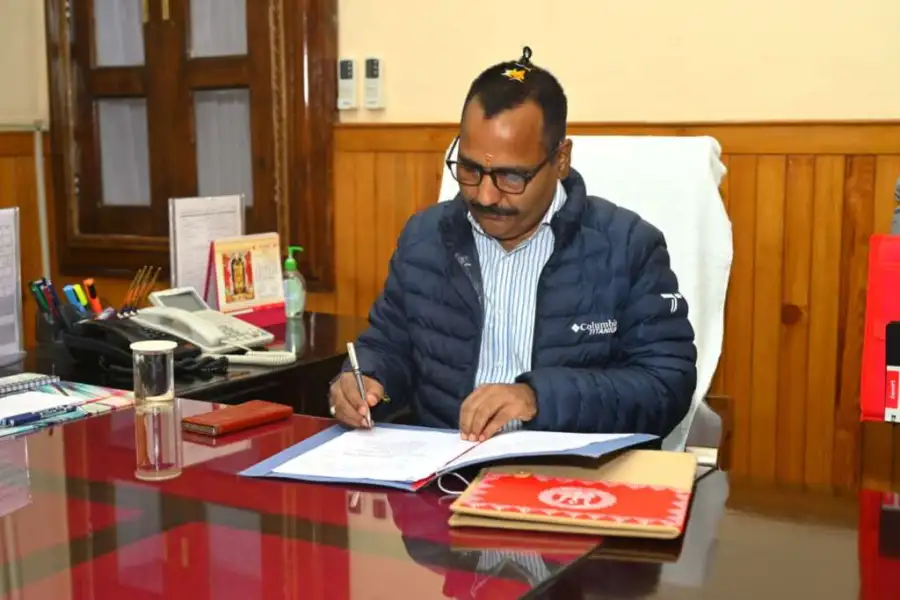
Lalit Mohan Rayal is the new District Magistrate of Nainital; he was entrusted with this significant responsibility as part of a major administrative reshuffle carried out by the Uttarakhand government in October 2025. This reshuffle involved the transfer of 44 senior officers and the appointment of new District Magistrates in five districts of the state. He succeeded Vandana Singh, the former District Magistrate of Nainital, who has been assigned a new role within the administration. Lalit Mohan Rayal is a 2011-batch IAS officer belonging to the Uttarakhand cadre. Originally from Uttarakhand, he joined the Indian Administrative Service (IAS) through promotion from the State Civil Service. Prior to joining the IAS, he held various key responsibilities at the state level, gaining extensive experience in governance and administration. Regarding his education, Lalit Mohan Rayal holds postgraduate degrees in two distinct disciplines: Mathematics (M.Sc.) and History (M.A.). This academic background, spanning both science and social science, is considered instrumental in shaping his balanced and analytical administrative approach. Before assuming the role of District Magistrate of Nainital, he held significant positions within the Uttarakhand government, including Additional Secretary (to the Chief Minister), Additional Secretary (Personnel and Vigilance), and Staff Officer to the Chief Secretary. In these roles, he gained experience in critical areas such as administrative coordination, personnel management, vigilance, and policy formulation. As the District Magistrate of Nainital, Lalit Mohan Rayal is now responsible for ensuring effective administration across several key sectors, including tourism, urban development, law and order, disaster management, and environmental conservation. His administrative experience and working style are expected to impart fresh momentum to development initiatives and public service delivery within the district.
Ashish Kumar Bhatgai IAS Officer: Education, Career Journey, and Role as Pithoragarh District Magistrate
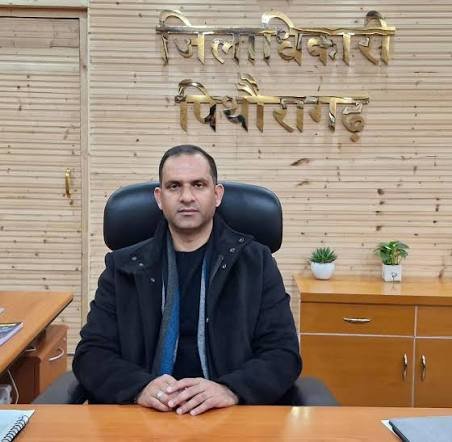
Born on February 10, 1980, Ashish Kumar Bhatgai is an Indian Administrative Service (IAS) officer of the 2017 batch, belonging to the Uttarakhand cadre. Known for his calm administrative approach, technical background, and effective leadership capabilities, he has successfully discharged various administrative responsibilities. He holds a Bachelor of Engineering (B.E.) degree in Mechanical Engineering. His engineering education helped him develop crucial skills such as analytical thinking, problem-solving, project management, and the effective utilization of resources. This technical foundation subsequently proved valuable in his administrative decision-making and policy implementation. After clearing the Union Public Service Commission (UPSC) examination, he joined the Indian Administrative Service in 2017 and was allotted the Uttarakhand cadre. During his service, he has held various administrative positions in the state, fulfilling numerous responsibilities related to governance, development, and public service. Throughout his administrative career, Ashish Kumar Bhatgai has served in several key positions, including that of District Magistrate in various districts. In these roles, he has contributed to areas such as maintaining law and order, effectively implementing development schemes, ensuring administrative coordination, managing disasters, and improving citizen services. His work style is characterized by timely decision-making, administrative efficiency, and a commitment to the public interest. Since October 12, 2025, he has been serving as the District Magistrate (DM) of Pithoragarh, Uttarakhand. Amidst the administrative challenges of this border district, he is focusing intently on accelerating development works, ensuring the effective operation of government schemes, managing disasters, handling election-related responsibilities, and promptly resolving the grievances of ordinary citizens. The balanced combination of technical education and administrative experience places Ashish Kumar Bhatgai among the capable and seasoned officers of the Uttarakhand administration. His work has consistently prioritized good governance, transparency, accountability, and public welfare.
IAS Manish Kumar’s Unique Eco-Friendly Governance
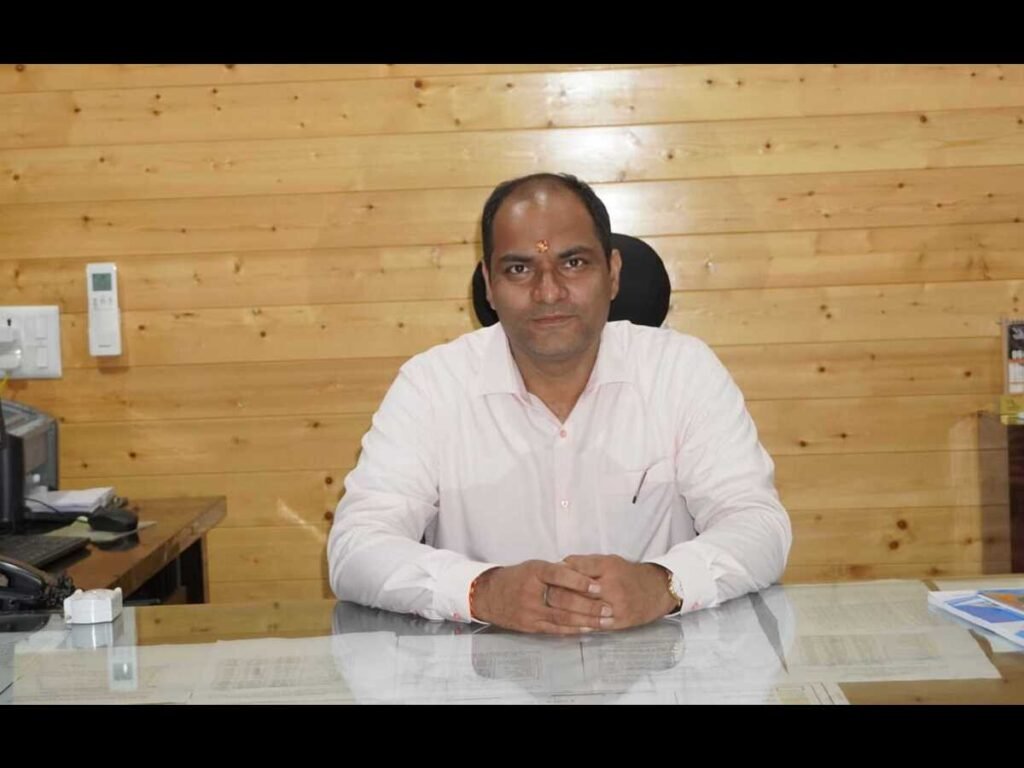
Manish Kumar, the current District Magistrate of Champawat, is a 2018 batch officer of the Indian Administrative Service (IAS). During his tenure, he has held various positions in Uttarkashi, Dehradun, Tehri, and Udham Singh Nagar. Due to his commendable work ethic, he is known as a sensitive, simple, and down-to-earth officer. He was born on January 15, 1989, in Bihar, completed his primary education there, and earned a B.Tech in Industrial Engineering from the Maulana Azad National Institute of Technology. Prior to his position as District Magistrate of Champawat, he held several positions Work Style and Key Initiatives Environmental and Social Initiatives
From PEC Chandigarh and IIM Ahmedabad to IAS: The Inspiring Journey of Uttarakhand Cadre Officer Anshul Singh
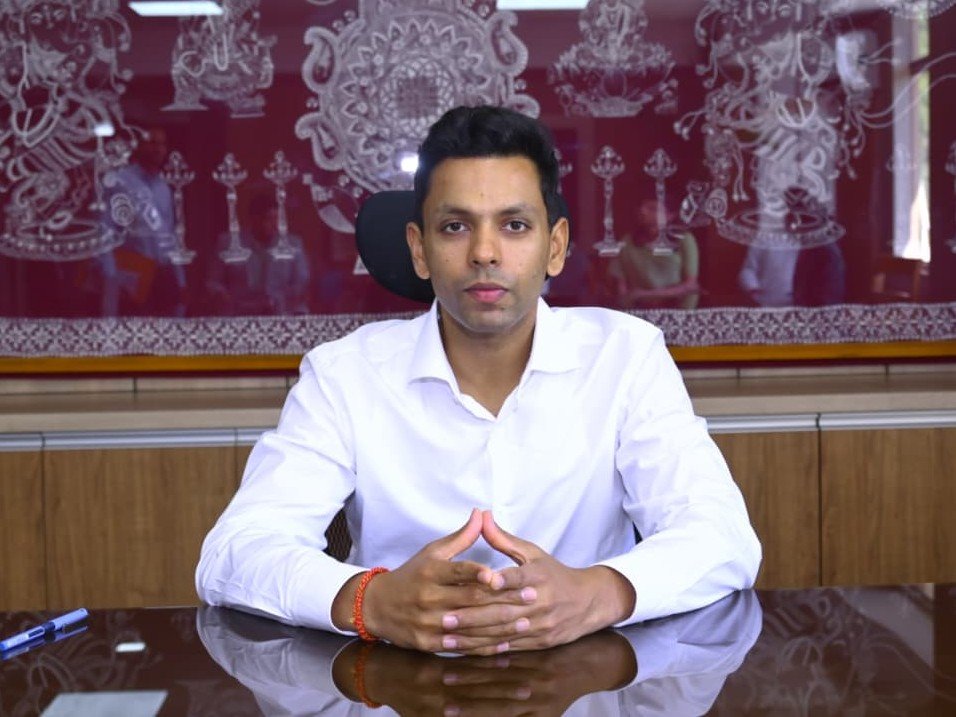
Born on March 11, 1987, Anshul Singh is an Indian Administrative Service (IAS) officer of the 2018 batch, belonging to the Uttarakhand cadre. Known for his academic excellence and administrative acumen, he holds higher education qualifications in both engineering and management, which have provided a robust foundation for his administrative career. He earned a Bachelor of Engineering (B.E.) degree in Civil Engineering from Punjab Engineering College (PEC), Chandigarh. During his engineering studies, he developed a deep understanding of subjects such as infrastructure, project management, and technical analysis. Subsequently, he pursued an MBA in Marketing from the Indian Institute of Management (IIM) Ahmedabad. Studying at IIM Ahmedabad—one of the country’s premier management institutes—equipped him with extensive experience in leadership, strategic planning, policy formulation, and organizational management. Following his corporate and management education, he chose a career in the Indian Administrative Service; he cleared the Union Public Service Commission (UPSC) examination and became an IAS officer in 2018. Upon being allocated the Uttarakhand cadre, he successfully discharged various administrative responsibilities within the state. Throughout his administrative career, Anshul Singh has held several key positions, including roles in development authorities, where he contributed to urban development, infrastructure, planning, and the implementation of public-interest projects. His tenure has been marked by a strong emphasis on administrative efficiency, effective monitoring of schemes, and a transparent style of functioning. Since October 12, 2025, he has been serving as the District Magistrate (DM) of Almora district in Uttarakhand. In this role, he handles critical responsibilities such as maintaining law and order, ensuring the effective implementation of development schemes, disaster management, conducting elections, and overseeing the delivery of citizen services. As District Magistrate, his focus remains on good governance, public grievance redressal, administrative transparency, and accelerating development initiatives. Anshul Singh is proficient in both Hindi and English. His balanced blend of technical knowledge, management skills, and administrative experience places him among the capable and effective IAS officers of Uttarakhand.
Gaurav Kumar’s Rise in Administration: From UPSC Success to Steering Governance in Chamoli District
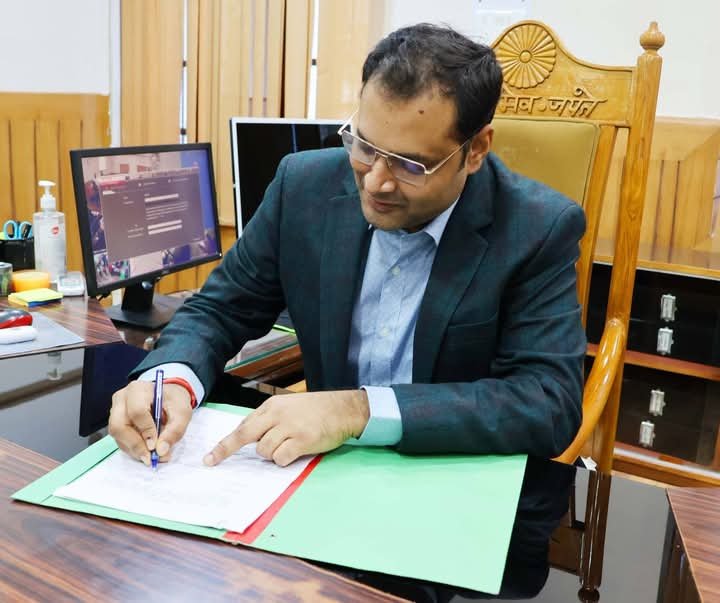
Born on December 3, 1985, Gaurav Kumar is a 2017-batch Indian Administrative Service (IAS) officer belonging to the Uttarakhand cadre. He has carved a distinct niche for himself in the state administration through his hard work, administrative competence, and a work ethic dedicated to the public interest. Currently, he serves as the District Magistrate (DM) of Chamoli district in Uttarakhand, a crucial responsibility he has been discharging since October 12, 2025. Academically, Gaurav Kumar has a background in science; he obtained his Bachelor of Science (B.Sc.) degree in Physics from Chaudhary Charan Singh University, Meerut. His scientific education fostered analytical thinking, problem-solving abilities, and a logical approach—qualities that proved invaluable in his administrative career. It was during his higher education that he set his sights on the civil services; through sheer hard work, he succeeded in the Union Public Service Commission (UPSC) examination and secured a place in the Indian Administrative Service. Early in his administrative career, he gained a close understanding of the nuances of governance and administration while serving in various key positions. Roles such as Assistant Secretary, Assistant Collector, and Executive Magistrate saw him play a pivotal role in maintaining law and order, managing revenue administration, and effectively implementing development schemes. Subsequently, as an Additional Secretary, he contributed to the execution of various government programs and policies. A notable chapter in Gaurav Kumar’s administrative journey was his tenure as the Block Development Officer (BDO) of Agastyamuni. During this period, he undertook commendable work in rural development, the expansion of infrastructure, and the successful implementation of public welfare schemes. In recognition of his outstanding performance and administrative efficiency, he was awarded the DM Medal—a testament to his dedication and leadership capabilities. As District Magistrate, Gaurav Kumar prioritizes development initiatives, disaster management, public grievance redressal, administrative transparency, and good governance. Working in a mountainous state like Uttarakhand, he has strived to strike a balance between development and public service. His work style clearly reflects accountability, sensitivity, and a commitment to result-oriented administration. Today, Gaurav Kumar is counted among those young administrative officers who are upholding the dignity of the Indian Administrative Service through their commitment, leadership qualities, and dedication to the public interest.
From UPSC Rank 74 to Pauri DM: Swati S. Bhadauria’s Journey of Inclusive Development and Administrative Excellence
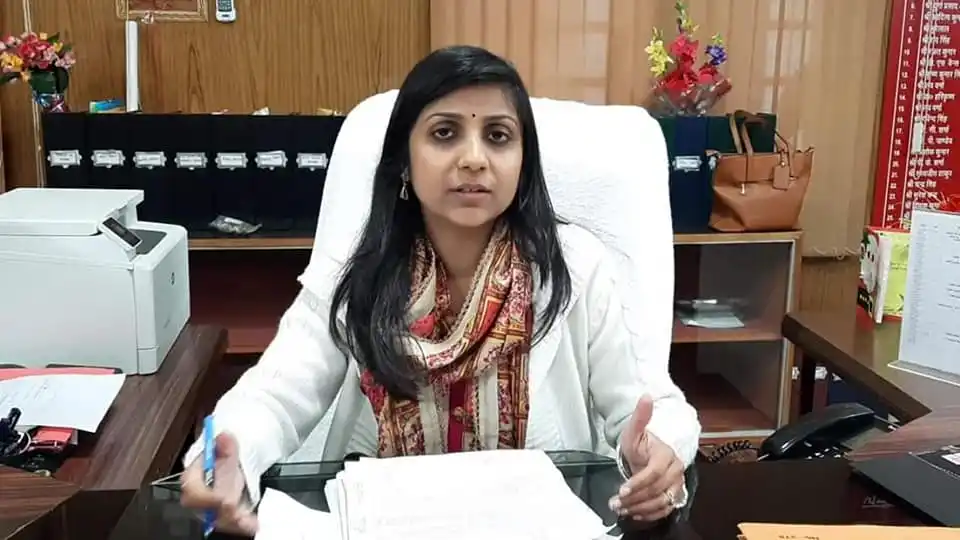
Swati S. Bhadauria, the District Magistrate of Pauri district in Uttarakhand, is a distinguished IAS officer of the 2012 batch. She is recognized for her strong engineering background, securing the 74th rank in the UPSC Civil Services Examination (CSE), and her commitment to transforming governance through active engagement. She entered the civil services with the aim of fostering inclusive, participatory development and bringing about governance reforms, particularly in the most remote and backward regions. Swati S. Bhadauria was born on August 23, 1987, in Uttar Pradesh. She hails from a middle-class family that placed a high value on education. A calm and determined individual since childhood, she believed in the power of knowledge and technology to drive social change. She pursued her B.Tech in Electronics Engineering at the Institute of Engineering and Technology, affiliated with Uttar Pradesh Technical University in Lucknow. Her engineering background honed her problem-solving skills, which later proved instrumental in implementing technology-driven governance initiatives—such as the ‘Bachpan’ project, digital health records, and e-governance systems—in remote hilly areas. Swati S. Bhadauria cleared the UPSC Civil Services Examination in her very first attempt, securing an All India Rank of 74 in the 2012 batch. Leveraging her technical background and analytical acumen, she succeeded in one of India’s toughest examinations at the young age of 25. Currently, Swati S. Bhadauria serves as the District Magistrate of Pauri district, Uttarakhand. Prior to this, she held various positions, including Assistant Collector (Rajnandgaon), SDO (Mahasamund), Joint Magistrate (Dehradun), District Magistrate (Chamoli), CEO and Additional Secretary in the Civil Aviation Department, Director General, Deputy Secretary and Additional Secretary in the Governor’s Office, Mission Director of NHM (Uttarakhand), and Managing Director of GMVN. Alongside this, he also contributed to departments such as Urban Development, Rural Development, MSME, Culture, and Disaster Management, playing a pivotal role in improving administration in the hilly regions of Uttarakhand.
From IIT Madras to SSC Chairman: The Distinguished Administrative Journey of IAS Officer S. Gopalakrishnan
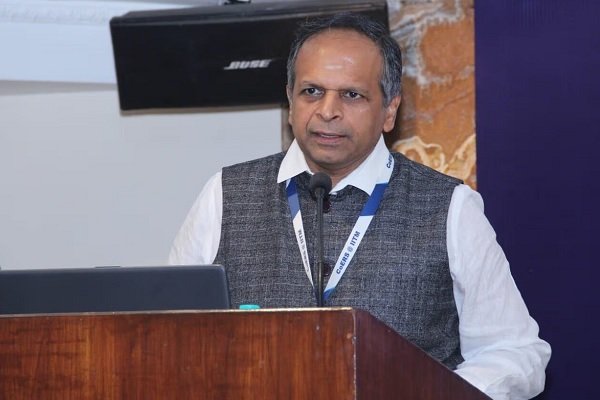
S. Gopalakrishnan was born on March 10, 1969. He is a senior officer of the Indian Administrative Service (IAS), belonging to the 1991 batch of the Tamil Nadu cadre. With over three decades of administrative experience, he has held numerous key positions in both the Central and State governments, making significant contributions to the fields of public policy, administrative reform, development management, and human resource administration. He possesses an impressive academic record. He earned a B.Tech. degree from the Indian Institute of Technology (IIT) Madras, which provided him with a technical and analytical perspective. Subsequently, he completed a Master of Arts (M.A.) in Development Studies from Erasmus University Rotterdam in the Netherlands, where he undertook in-depth study of subjects such as development economics, social policy, and global development. Later, he obtained an MBA in Public Policy Management from the Indian Institute of Management (IIM), further strengthening his expertise in public administration, policy formulation, and leadership. Throughout his administrative career, S. Gopalakrishnan has served in various high-ranking positions, including Director General, Special Secretary, Additional Secretary, Joint Secretary, Principal Secretary, Commissioner, Managing Director, and District Collector. In these roles, he demonstrated administrative efficiency, a commitment to good governance, and the effective implementation of people-centric policies. His outstanding work has been recognized at both national and state levels. He has received various honors for his remarkable achievements in population management and district administration, including the ‘Best Collector’ award. Currently, S. Gopalakrishnan serves as the Chairman of the Staff Selection Commission (SSC) in New Delhi, a role he assumed on November 1, 2024. In this capacity, he leads the conduct of transparent, fair, and efficient recruitment processes for various services and departments of the Government of India. In terms of linguistic proficiency, they are equally adept in English, Hindi, and Tamil, which enables them to communicate effectively across diverse administrative and social settings.
IAS Kavita Meena: How a Station Master’s Daughter Became Hapur’s District Magistrate
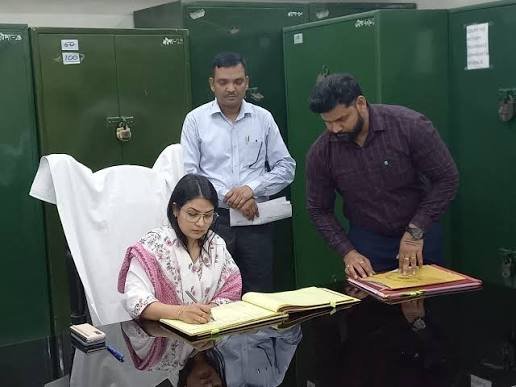
Kavita Meena, a 2016-batch IAS officer, is a distinguished and meritorious officer currently serving as the District Magistrate and Collector of Hapur, Uttar Pradesh. She assumed office as the District Magistrate of Hapur on April 21, 2026. She secured an All-India Rank of 50 in the Civil Services Examination. Kavita hails from the Dausa district of Rajasthan. Kavita Meena comes from a highly inspiring background. She was born on August 16, 1991, in the Dausa district of Rajasthan. Her father, who worked as a Station Master with the Indian Railways, took voluntary retirement to ensure his daughter could pursue her dreams and complete her education without any obstacles. Prior to her role as the District Magistrate of Hapur, Kavita Meena served as the Vice-Chairperson of the Muzaffarnagar Development Authority and as the Chief Development Officer of Bahraich. She completed her graduation in Political Science from Jawaharlal Nehru University, New Delhi. As the District Magistrate of Hapur, she frequently garners attention for conducting surprise inspections and making prompt administrative decisions. Earlier, during her tenure at the Muzaffarnagar Development Authority, she had taken several strict measures to crack down on illegal colonies and unauthorized constructions.
‘Singham’ IAS Officer Tukaram Mundhe Back in Action: Surprise FDA Raids Spark Public Praise Across Maharashtra
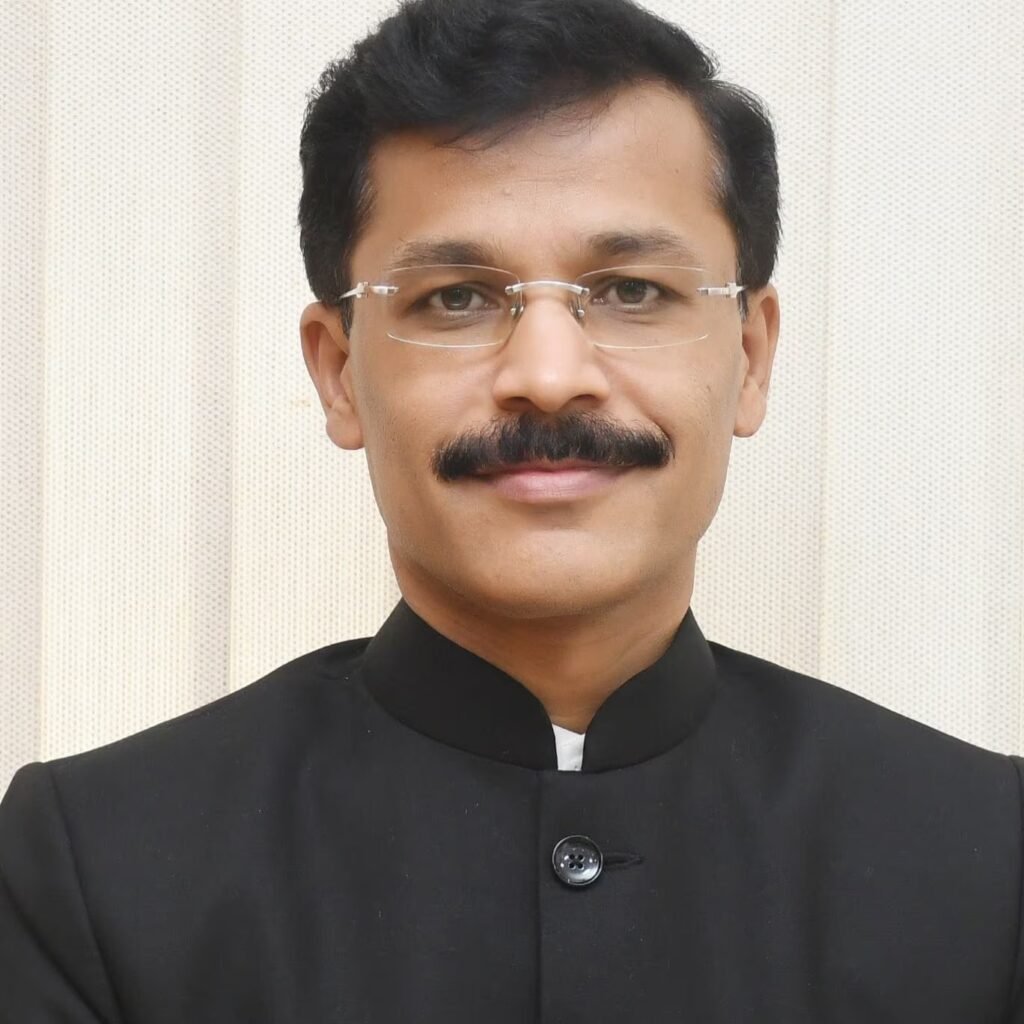
Senior IAS officer Tukaram Mundhe, who has been transferred 25 times during his 21-year career, is once again in the spotlight. Appointed as the FDA Commissioner by the Maharashtra government in the first week of June, he immediately launched a fresh wave of raids and strict enforcement drives against adulterators and the illegal drug trade. He has clearly stated that this campaign is not directed at any specific individual but is a well-planned move to safeguard public health, and that honest businesses have no reason to fear it. Senior IAS officer Tukaram Mundhe currently serves as the Commissioner of the Food and Drug Administration (FDA) in Maharashtra. He is renowned for his strict stance against corruption and his disciplined approach. Prior to assuming the role of FDA Commissioner in June, he had undergone transfers in March and April as well; these marked his 24th and 25th transfers, moving him from the Department of Empowerment of Persons with Disabilities to the Revenue Department. Since taking charge as FDA Commissioner, he has initiated surprise inspections and stringent enforcement actions across the state, earning him widespread praise from the general public and on social media. His work style has led to comparisons with Haryana’s famous IAS officer Ashok Khemka. Due to his bold and uncompromising style, Mundhe is often referred to as “Singham” and the “Man of Mission.” He is known for refusing to yield to political pressure and for taking direct action against the sand mafia, land mafia, and corrupt officials. Tukaram Mundhe was born on June 3, 1975, in Tadsona village, Beed district, Maharashtra. He hailed from a very humble background. He received his early education at a Zilla Parishad school before moving to Aurangabad for higher studies. He earned a bachelor’s degree in History and a master’s degree in Political Science. After clearing the UPSC examination in 2005, he became an IAS officer. His first posting as an IAS officer was in Solapur, where he immediately crippled the mafia by conducting continuous raids on illegal liquor dens, shooting to fame overnight.
Transferred 57 Times, Never Compromised: The Anti-Corruption Crusade of IAS Officer Ashok Khemka
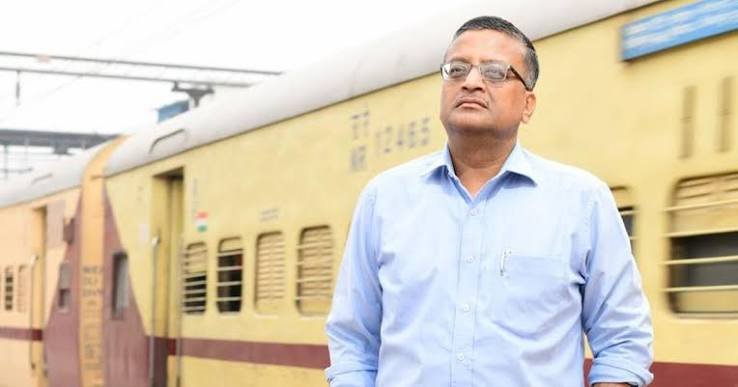
Ashok Khemka, a senior administrative officer in the Indian state of Haryana, is an IAS officer who has been transferred 57times throughout his career. He was born on April 30, 1965, in Kolkata, the capital of the northeastern state of Bengal. He graduated from the Indian Institute of Technology (IIT) Kharagpur in 1988 and obtained a PhD in Computer Science as well as an MBA from the Tata Institute of Fundamental Research (TIFR) in Mumbai. A 1991-batch IAS officer, Khemka has exposed corruption across various departments. Serving in his home cadre of Haryana, he has faced frequent transfers by successive state governments, having been transferred 57 times over a span of 34 years. In Haryana, Khemka was transferred repeatedly whenever a new government took office. The longest tenure of his career was a 15-month stint as Director of the Department of Labour, Employment, and Training. He frequently expressed his displeasure with the government through the media regarding these constant transfers. Dr. Khemka was transferred multiple times during the Bansi Lal-led government. Under the leadership of Om Prakash Chautala, he was transferred nine times in five years. He also faced multiple transfers during the Congress government led by Bhupinder Singh Hooda. Subsequently, during the BJP government led by Manohar Lal Khattar, he was transferred another six to seven times. During his career, Dr. Ashok Khemka also received death threats. He was threatened with death after taking action regarding suspicious land deals between Robert Vadra—son-in-law of Congress President Sonia Gandhi—and the real estate company DLF; a complaint regarding this was lodged with the Panchkula police by K.R. Sharma, a Chief Manager at HSD. Dr. Ashok Khemka was honored with the Jindal Prize in 2011 for his crusade against corruption. Additionally, he received a cash award of ₹10 lakh, shared with Sanjiv Chaturvedi, in recognition of his determined efforts to expose corruption in high places. Ashok Khemka retired on April 30, 2025. He was serving as the Additional Chief Secretary of the Transport Department at the time, and it was from this position that he retired.