Dr. Manjunath T.C.: A Doctor’s Inspiring Path to the Indian Police Service
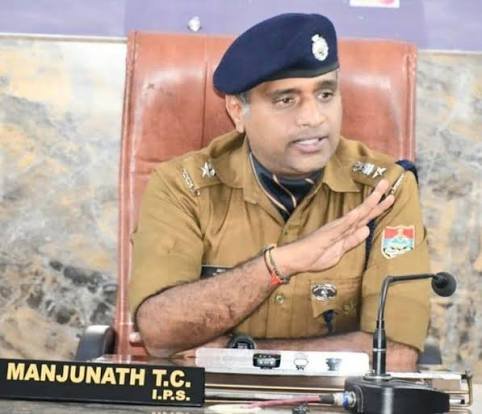
Dr. Manjunath T.C. is a 2014-batch Indian Police Service (IPS) officer belonging to the Uttarakhand cadre. Originally from Karnataka, his journey—spanning from medical practice to the police service—stands as an inspiring example of dedication, discipline, and public service. Education Dr. Manjunath T.C. obtained his MBBS (Bachelor of Medicine and Bachelor of Surgery) degree in Karnataka. During his medical education, he gained expertise in understanding the human body and the diagnosis and treatment of diseases. After completing his studies, he worked as a cardiologist at the prestigious Sir Ganga Ram Hospital in Delhi. While working in the medical field, he treated numerous patients and made significant contributions to healthcare services. Although he had a promising future in medicine, a desire to serve society and the nation on a broader scale motivated him to prepare for the Union Public Service Commission (UPSC) Civil Services Examination. Through hard work and determination, he cleared the UPSC Civil Services Examination in 2014 and secured a place in the Indian Police Service (IPS). Police Service (IPS Career) Upon becoming an IPS officer, Dr. Manjunath T.C. was allotted the Uttarakhand cadre. Serving in various administrative and police capacities, he has discharged significant responsibilities in areas such as maintaining law and order, crime control, police modernization, and public safety. Throughout his service, he has held leadership roles across various districts and units. According to available public records, he has served in key positions such as Commandant of the 2nd Indian Reserve Battalion (IRB), Senior Superintendent of Police (SSP) of Udham Singh Nagar, SP (Security) at Police Headquarters, and currently working as the Superintendent of Police (SP) of Nainital. Work Style Dr. Manjunath T.C. is known for his calm, disciplined, and professional work style. Drawing from his medical background, he places special emphasis on policing with a humane approach. Alongside maintaining law and order, he has placed special emphasis on sensitive interaction with the public, effective crime prevention, and strengthening the dialogue between the police and the community. Honours and Awards Publicly available official records do not indicate that Dr. Manjunath T.C. has received any national or state-level individual awards or police medals. Should he receive the President’s Police Medal, the Police Medal (for Meritorious Service), or other government honours in the future, this information will be updated in the relevant official records. Dr. Manjunath T.C.’s life exemplifies how a successful medical professional can pivot their career towards the broader goal of serving the nation. His journey from being a doctor to an IPS officer serves as an inspiring example of dedication, hard work, and a spirit of service for the youth.
Pramendra Singh Dobal (IPS): An Experienced and Diligent Officer of the Uttarakhand Police
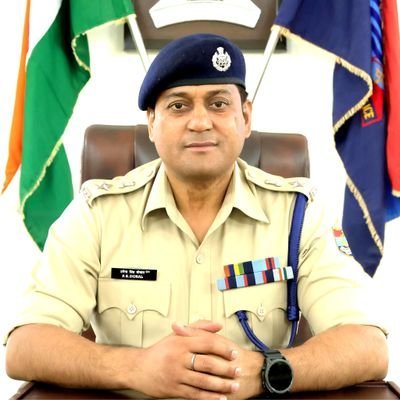
Pramendra Singh Dobal is an Indian Police Service (IPS) officer belonging to the 2018 batch, having been inducted into the service through promotion from the Uttarakhand State Police Service (SPS). He is currently working as SSP in Dehradun. He is counted among those Uttarakhand Police officers who attained IPS status based on their outstanding service record following a long tenure in the state police force. He has held senior leadership roles within the Uttarakhand Police, and his working style regarding law and order maintenance, crime control, and police administration is highly appreciated. Early Life and Education Pramendra Singh Dobal hails from Uttarakhand. According to available government records, he holds a Bachelor’s degree (B.A.). After completing his higher education, he chose a career in the police force and was appointed as an officer in the Uttarakhand State Police Service. Career in Police Service During his tenure in the State Police Service, Pramendra Singh Dobal discharged significant responsibilities across various districts and units. He made notable contributions toward maintaining law and order, preventing crime, effectively resolving sensitive cases, and strengthening police administration. Based on his outstanding service and seniority, the Government of India promoted him from the Uttarakhand State Police Service to the Indian Police Service (IPS) on July 24, 2023. This appointment was made under the 2022 select list, and he was allocated the Uttarakhand cadre. Subsequently, his seniority was fixed with the 2018 batch (Year of Allotment: 2018). Following his promotion to the IPS, he was entrusted with senior-level responsibilities within the Uttarakhand Police. According to available official records, he has also served as the Senior Superintendent of Police (SSP) of Haridwar. And currently he is serving as Dehradun SSP. Key Achievements Extensive and successful administrative experience in the Uttarakhand State Police Service.Promotion to the Indian Police Service (IPS) based on outstanding service. Selected for the IPS under the 2022 selection list (Uttarakhand cadre).Recognized for maintaining law and order in sensitive districts and for effective police leadership.Awards and Honors Pramendra Singh Dobal has been honored with the Police Service Medal for his outstanding contribution to the police service. Available official records cite the PMSM (Police Medal for Meritorious Service) alongside his name; this medal is awarded for remarkable and commendable work in the police service. Leadership Style Pramendra Singh Dobal is regarded as a disciplined, pragmatic, and administratively competent police officer. He is known for placing special emphasis on crime control, public safety, community policing, and the effective management of the police force. His extensive experience in the State Police Service has provided him with a deep understanding of law and order issues at the grassroots level. Pramendra Singh Dobal is among the senior officers of the Uttarakhand Police who secured a place in the Indian Police Service after years of effective service in the State Police Force. His administrative experience, discipline, and commitment to maintaining law and order establish him as a key officer within the Uttarakhand Police. He is expected to continue making significant contributions to police administration, crime control, and public safety in the future.
Uttarkashi DM Prashant Kumar Arya Bridges the Gap Between Public and Bureaucracy
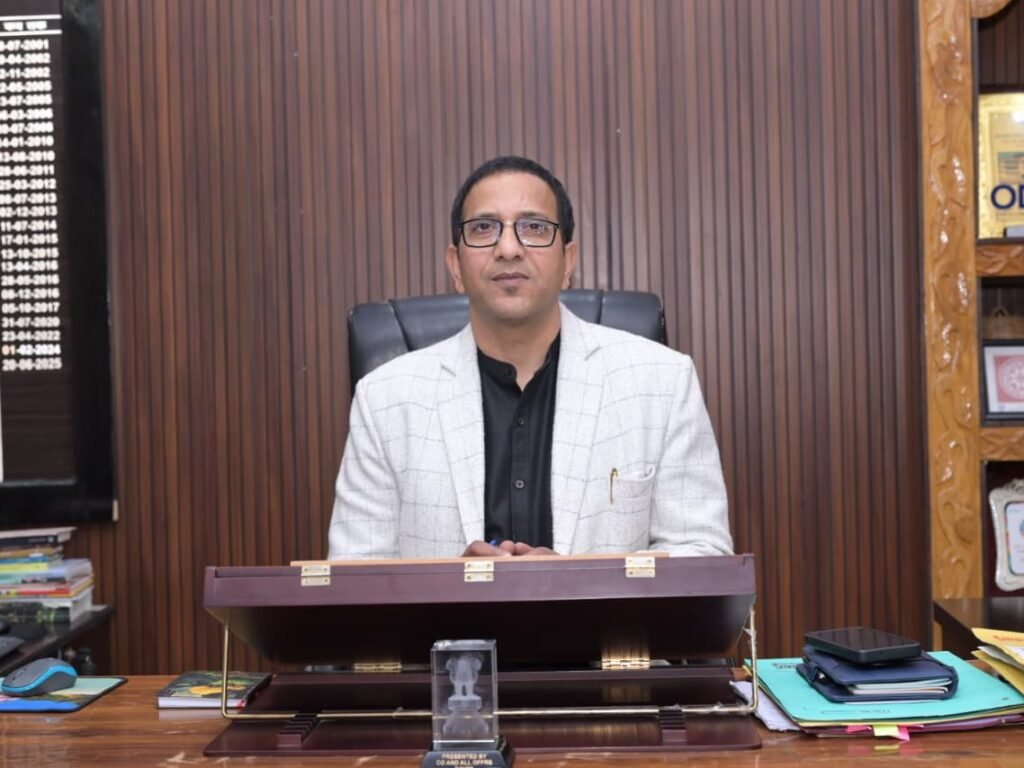
Prashant Kumar Arya, District Magistrate of Uttarkashi district in Uttarakhand, is a 2017 batch Indian Administrative Service (IAS) officer of the Uttarakhand cadre, having joined the state civil service. Previously, Prashant Kumar held the responsibility of the Sachchidanand Extension in Dehradun and also held key positions such as Chief Development Officer and SDM in Pauri district. IAS officer Prashant Kumar was born on November 26, 1977. He is known for his honesty, diligence, and work ethic. He is also known for his easy communication with the public. He expects timely and transparent work from his employees and does not place any emphasis on partisanship in the administration of law and order and development projects. His approach to work is focused on promoting public participation and working with officers in a spirit of fairness. Till now he has held the following important positions: Chief Development Officer, Pauri Garhwal, Secretary, District Panchayat Dehradun, Director, Women and Child Development Department, Excise Commissioner, Uttarakhand, Director, Sports and Youth Welfare Department, Managing Director, Garhwal Mandal Vikas Nigam. Key Tasks His key responsibility is to manage the travel arrangements for the Gangotri and Yamunotri shrines located in Uttarkashi district. he continuously monitors infrastructure along the pilgrimage routes for the safety and convenience of pilgrims, and ensures traffic management and the availability of essential services along the routes. During heavy rains, she receives daily updates on the situation and weather in the tehsils directly from the control room. he coordinates with the Public Works Department to immediately reopen national highways and major connecting roads blocked due to landslides, and issues high alert orders. he maintains police, health, electricity, and SDRF teams on 24-hour alert to address emergencies. He reviewed pending forest land transfer cases to address bottlenecks in development projects and directed officials to take prompt action. he also closely monitored the progress of Jal Jeevan Mission projects related to drinking water supply in rural areas. Issued official orders for strict disciplinary action against district and block-level officials who ignore calls from public representatives and ordinary citizens, and increased transparency so that remote villagers do not have to repeatedly visit the district headquarters to lodge their complaints. Previous Positions Key Honors and Achievements
Dr. Samir V. Kamat – Forging India’s Future Defense
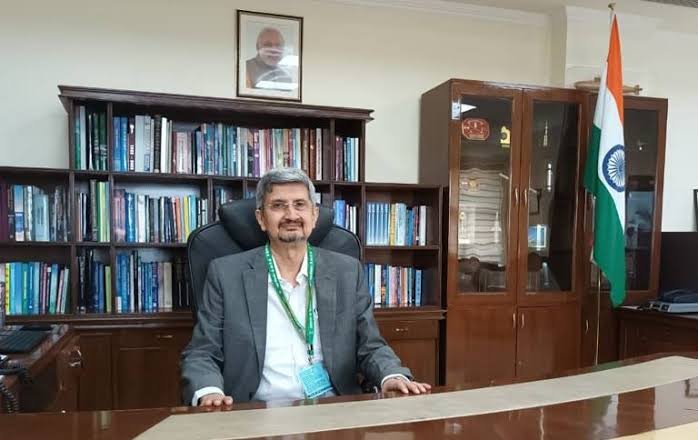
Dr. Samir V. Kamat is a distinguished Indian defence scientist who has served as Chairman of Defence Research and Development Organisation (DRDO) and Secretary of Department of Defence Research and Development. He is also considered an expert in the field of defence materials. He assumed the charge of Chairman of DRDO on 26 August 2022. His tenure was till 2024, after which it was extended by the government till 31 March 2026. He obtained a B.Tech degree in Metallurgical Engineering from IIT Kharagpur. After this, he completed his PhD in Materials Science and Engineering from the prestigious Oxford State University, USA. Major Scientific Projects He developed and initiated the production of indigenous high-strength DMR 249A and DMR 249B steels for the Indian Navy’s war photo halls. He also led the development of indigenous titanium sponges and alloys for naval structures and developed special acoustic and steel materials to enhance the concealment of ships and submarines from enemy radar and radar. Developed components made from extreme temperature-resistant titanium alloys and nickel-base superalloys for aircraft engines. He developed tungsten alloys used in the manufacture of kinetic energy penetrators for missiles and bullets and developed advanced protective armor for soldiers’ personal protective gear and combat vehicles. He also developed fused silica radium for missile seeker protection. As Director General, he oversaw the development of several key systems:Advanced Lightweight TorpedoAnti-Torpedo Decoder System, which deflects enemy torpedoesAutonomous Underwater VehiclesFuel Cell-Based and Independent Propulsion Systems for Submarines He led DRDO to focus on future technologies such as Artificial Intelligence, Machine Learning, Quantum Technology, and Directed Energy Weapons. He also played a key role in transferring thermal management and coiling technology to Indian industries for India’s Fifth Generation Steel Fighter program. He also strengthened the system of working collaboratively with micro, small, and medium-sized enterprises and private industries, ensuring that defense research is not confined solely to government laboratories. Major Honors and Awards Academic Honors and Academic Degrees
Dr. V. Narayanan – Blueprint for a Century of Space Dominance
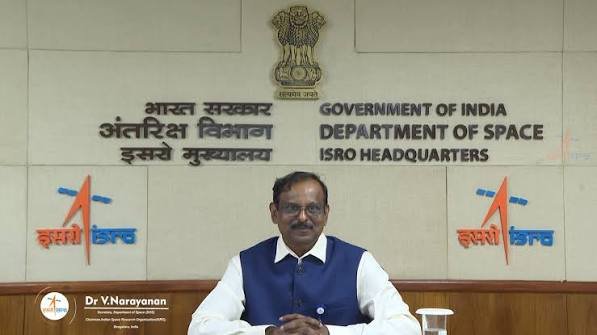
Dr. V. Narayanan is the current Chairman of the Indian Space Research Organization (ISRO) and Secretary of the Department of Space, assuming this prestigious position on January 14, 2025. He is a renowned rocket and spacecraft professional with nearly 40 years of experience in the field of rocket science and space research. Before joining ISRO, he served as the Director of the Thiruvananthapuram-based LPSC. Dr. Narayanan was born on May 14, 1964, in a village in Kanyakumari, Tamil Nadu. He studied in Tamil medium until Class 5 and obtained an M.Tech in Cryogenic Engineering from IIT Kharagpur with first rank, followed by a PhD in Aerospace Engineering. Key Roles and Achievements Chairman of ISRO and Secretary of the Department of Space, Government of India, who designed and implemented India’s entire space program. He chairs the Project Management Council (Space Transportation Systems), which makes policy decisions related to all ISRO rocket and launch vehicle projects. 2. Technical Contributions and Historic Work His most significant contribution is the development of India’s K20 cryogenic engine and SEAT 25 cryogenic stage. This technology is the very technology without which India’s heavy rockets would not have been able to reach space.He has also designed and operated propulsion systems and limited engines for large and complex missions such as Chandrayaan-2, Chandrayaan-3, and Mangalyaan. Recently, under his leadership, ISRO successfully tested a powerful semi-cryogenic engine that will help power future heavy launch vehicles. 3. Helping Future Missions His primary goal is to successfully launch Gaganyaan, India’s first human space mission.He commanded Chandrayaan 4, the complex mission to return lunar soil samples to Earth.The Indian Space Station also lays the initial and most important technological foundation for the establishment of India’s own space station by 2035. Major National and Prestigious Awards ISRO Awards
Zero-Tolerance Approach to Dilapidated Schools – Sabeen Bansal
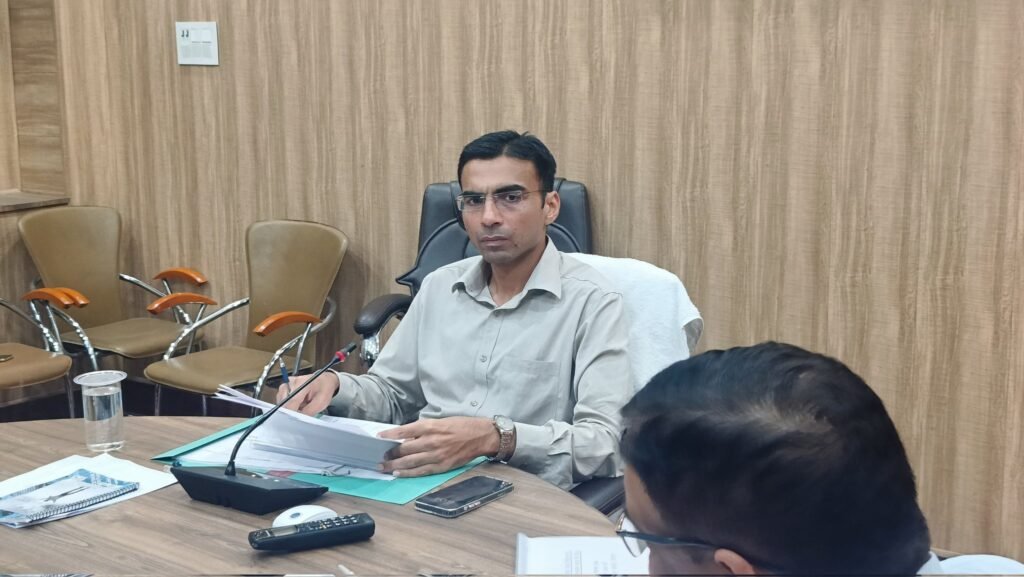
Sabeen Bansal, a popular IAS officer of the 2009 batch of the Uttarakhand cadre, is known for his direct engagement with the public, his tough decisions, and his exceptional work ethic. He currently serves as Secretary, Excise Department, and Secretary, Planning, in the Uttarakhand government. He was born on August 23, 1984, in the state of Haryana. He received his early education from DAV Public College, Ambala, Haryana. He completed his mechanical engineering from NIT Kurukshetra University and his master’s degree in Risk and Resilience from the world-renowned University College London, London, UK. He passed the Civil Services Examination without any interruption in 2008, securing an All India Rank of 34.He also completed his IAS foundation and administrative training from the Lal Bahadur Shastri National Academy of Administration, Mussoorie. He has served as the District Magistrate of Almora, Nainital, and most recently, Dehradun in Uttarakhand, and has also held important positions as Additional Secretary in various state government departments. He has also been the project director of the disaster management project run in Uttarakhand with the cooperation of the World Bank and the Asian Development Bank. Key Tasks During his tenure in Dehradun, he prioritized the safety of children and ordered the demolition and renovation of 79 dilapidated government school buildings. He also upgraded primary schools with modern furniture, whiteboards, digital screens, and mandatory outdoor activities. He also launched a special initiative to provide financial assistance of up to ₹100,000 to promising female students struggling with difficult circumstances. To strengthen women’s safety, he established dedicated pick-up police squads in urban areas and launched a large-scale rescue and rehabilitation campaign to rescue children from beggary and reconnect them with mainstream education. To address the parking problem in a city like Dehradun, he implemented a modern mechanical parking system and allocated a special budget for the installation of charging stations in the city’s main centers to promote environmentally friendly electric vehicles. Upon seeing the systemic changes in the monitoring of cleanliness and garbage collection in the Municipal Corporation, he changed the working system that had been in place for 21 years and redefined its responsibility and gave a strict 45-day ultimatum to private companies for improvement. In Nainital, he himself visited the liquor shop as a common customer and suspended and punished the sellers who were over-charging on the spot. While serving as Additional Secretary at the state level in Disaster Management, he successfully led a major disaster rehabilitation and risk reduction project funded by the World Bank and the Asian Development Bank in Uttarakhand. Honors and Awards
NEP 2020 Reforms and the 2026 OSM Controversy- Rahul Singh
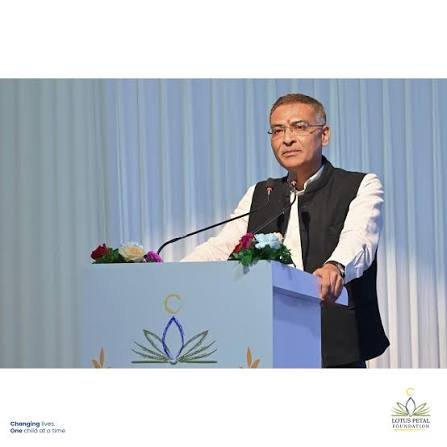
Former CBSE Chairman Rahul Singh is a 1996-batch IAS officer of the Bihar cadre. He was appointed Chairman of the Central Board of Secondary Education in March 2024. He was born on August 15, 1971. He was recently removed from this position on June 2, 2026. Rahul Singh is an engineer with a B.Tech degree in Computer Science and a postgraduate degree in Public Policy and Management. Before becoming CBSE chief, he served as Additional Secretary in the Department of Personnel and Training. It is reported that due to the major controversy surrounding the board’s digital evaluation system, the central government has transferred him to the position of Additional Secretary in the Department of Agriculture and Farmers Welfare. He assumed the position of CBSE Chairman on March 26, 2014. His term was until November 2027, but his tenure was cut short due to the controversy. The on-screen marking system was implemented in the 2026 Class 12 board exams, which led to massive protests by students and parents across the country due to blurred digital scans, missing pages and massive irregularities in evaluation, following which Rahul Singh was removed from his post. Major Works He issued a CBSE circular setting a deadline for schools to introduce education in their mother tongue or regional language from pre-primary to grade 5, and effectively promoted the three-language learning rule at the school level. Under the NEP reforms, he played a significant role in developing a roadmap and structure for conducting board examinations twice a year. His most notable work was implementing a digital evaluation system for checking Class 12 answer sheets. Implementing it without a pilot project led to technical glitches, leading to his removal from office. He also attempted to make the examination more transparent by making the subject-wise distribution of marks in the marking scheme more digital and accurate. Before becoming CBSE Chairperson, she served as Additional Secretary in the Department of Personnel and Training, where she spearheaded technological reforms in training and career development programs for government officials. Following her appointment in June 2026, she now serves as Additional Secretary in the Department of Agriculture and Farmers Welfare, Government of India, taking key policy decisions.
Tansformational Leader in National Security and Public Administration – Dr. Ajay Kumar
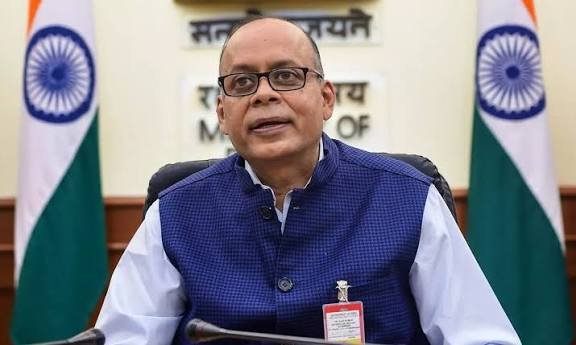
Dr. Ajay Kumar, The current Chairman of the Union Public Service Commission, who is holding the charge from15 may in 2025 and will serve in this post till October 2017. He is a retired IAS officer of the 1985 batch and a former Defence Secretary. He is also known for his important role in the creation of the post of Chief of Defence Staff and the implementation of the Agni Veer scheme. He was born on 2 October 1962 in Jalandhar, Punjab. He also holds a Bachelor of Technology degree in Electrical Engineering from India’s top institute, IIT Kanpur. After this, he studied Master of Science in Applied Economics Development Economics from the University of Minnesota, USA. He obtained a doctorate in Business Administration from the Carson School of Management. Administrative Career and Current Affairs After becoming the Chairman of the UPSC in 2025, he organized the first open town hall dialogue in the country’s history with candidates appearing for the Civil Services Examination to promote transparency and reforms in the examination system. Played a key role in the creation of India’s first Chief of Defence Staff, the integration of the three services, and implemented the historic Agneepath scheme to recruit young people into the service. He was also India’s longest-serving Defense Secretary. He emphasized the importance of the service’s weapons, promoted domestic defense production and Made in India, and abolished the government-run Ordnance Factory Board and transformed it into a modern corporate entity. While at the Ministry of Electronics and Information Technology, he designed and launched several major platforms that digitalized the country, including Aadhaar, UPI, mygov.in, and digilocker. Introducing digital life certificates for pensioners, enabling millions of senior citizens to receive their pensions without visiting banks, and launching a transparent online GEM portal to curb corruption in government department purchases. Served as the Managing Director of the Kerala State Electronics Development Corporation, building the state’s IT infrastructure and bringing information technology and digital literacy to rural Kerala in its early days. Key Honors and Awards
The Legacy of Admiral Dinesh Kumar Tripathi
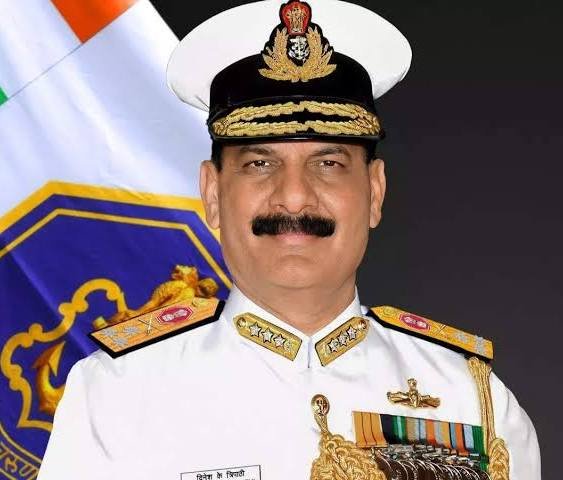
Admiral Dinesh Kumar Tripathi PVSM AVSM (M) is a serving four-star flag officer of the Indian Navy. Born on 15 May 1964, he attended Sainik School, Rewa, and the National Defence Academy, Khadakwasla. He is the current and 26th Chief of the Indian Navy. He previously served as the Deputy Chief of the Naval Staff in the 38th year. He has also served as the Chief of Personnel, Flag Officer Commanding-in, Western Naval Command, and Director General of Naval Operations. He was appointed as the next Chief of the Naval Staff on 19 April 2024, succeeding Admiral R Hari Kumar. He is a communications and electronic warfare specialist and has been awarded the Param Vishisht Seva Medal. Major Operations In addition, it conducted numerous operations such as Operation Parakram, Operation Madad, Operation Bandar, and Operation Kaveri. Major Honors He was awarded numerous civilian and military medals for his outstanding service to the nation.
Professor-Turned BJP Veteran Asim Kumar Ghosh Appointed 19th Governor of Haryana
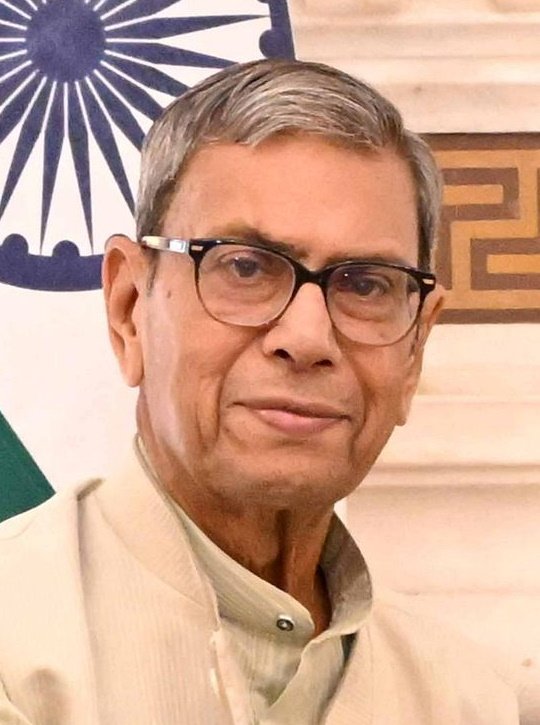
Asim Kumar Ghosh, the 19th Governor of Haryana—born on March 12, 1944, in Howrah, British India—is an Indian educationist and politician. Prior to this role, he served as the President of the West Bengal BJP from 1999 to 2002. Ghosh received his early education at the Vivekananda Institute in Howrah. He subsequently earned his Bachelor’s and Master’s degrees in Political Science from Vidyasagar College and the University of Calcutta, respectively, and worked as a Professor of Political Science starting in 1966. Asim Kumar Ghosh joined the Bharatiya Janata Party (BJP) in 1991. According to Sourav Sikdar—son of Tapan Sikdar—it was Tapan Sikdar who introduced Ghosh to politics. He became the party’s State Secretary in 1996 and later the State Vice-President in 1998. The then Prime Minister Atal Bihari Vajpayee had recommended his appointment as the party’s State President. After completing his tenure, he served as an observer for the Tripura BJP unit from 2003 to 2005. He was a member of the BJP’s National Executive from 2002 to 2006. On July 14, 2025, President Droupadi Murmu appointed him as the Governor of Haryana; he is the third Bengali to hold this office, following Birendra Narayan Chakravarty and Hari Anand Barari.