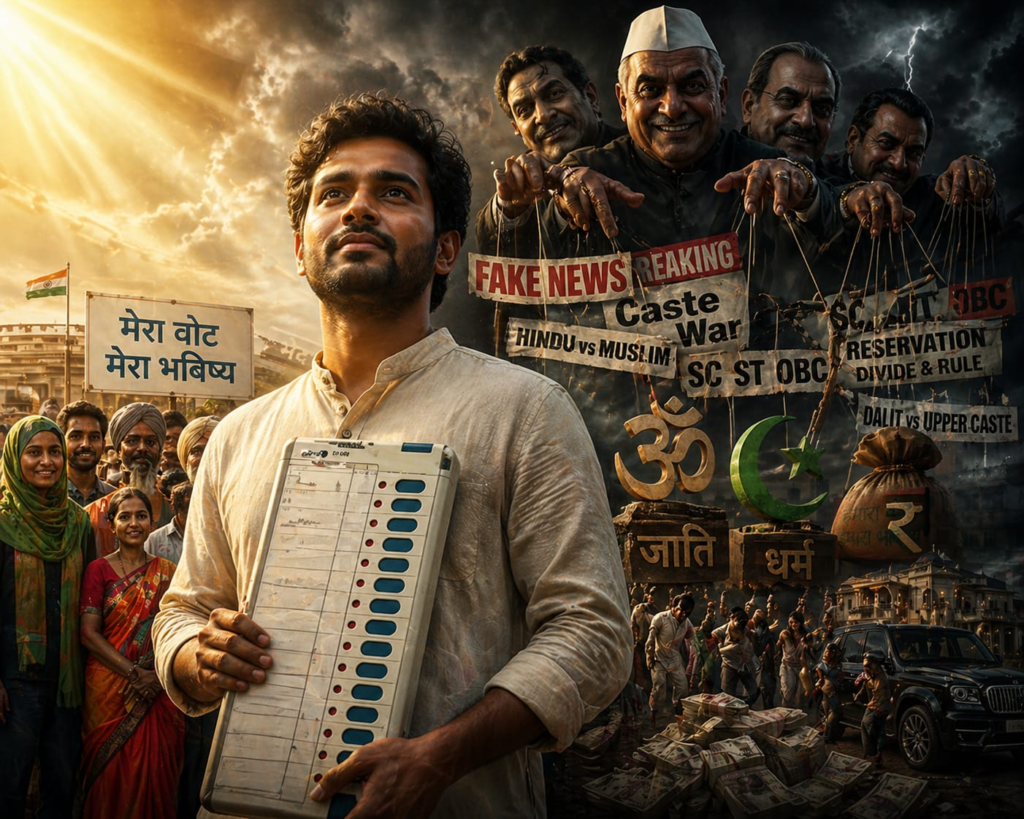
Politics entails much more than simply electing leaders or holding elections; in reality, it determines the quality of education our children receive, the standard of our hospitals, and how essential amenities—such as roads, electricity, and water—are provided. Furthermore, it is politics that determines how justice and equality are upheld within society. In simple terms, politics is inextricably linked to the everyday lives of ordinary people.
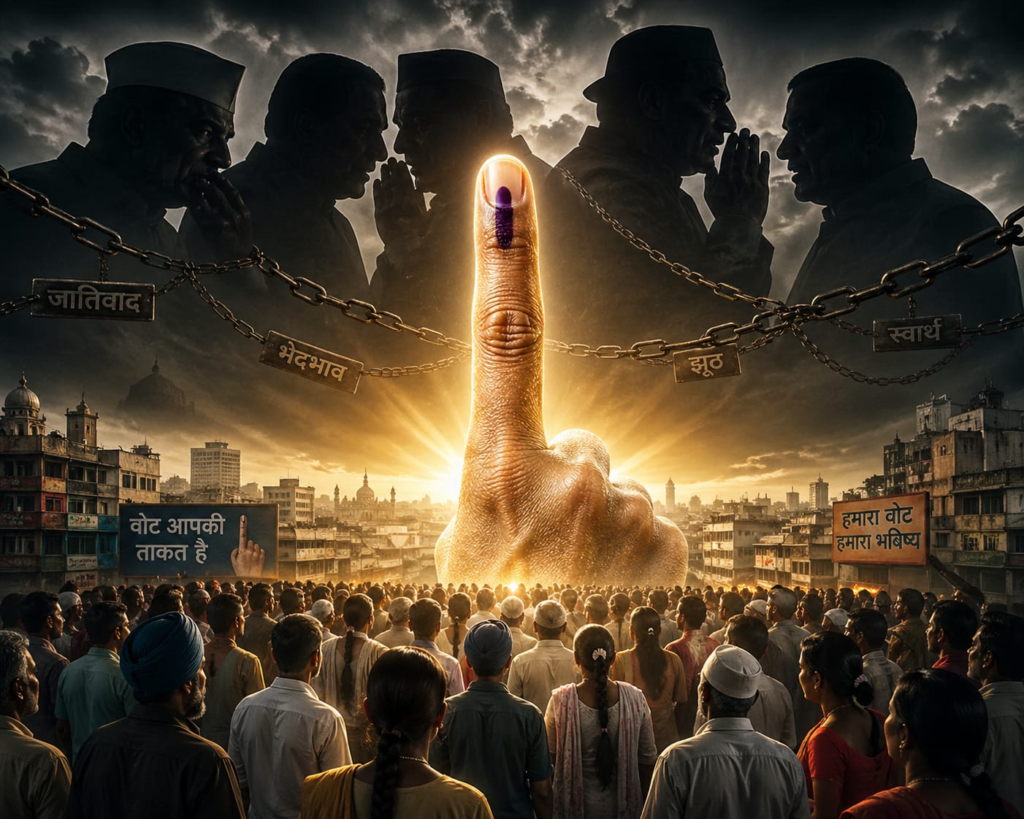
Politics has two distinct facets: one is humanity, and the other is corruption. A politician, after all, is a human being; they possess their own thoughts, emotions, and limitations. Some leaders genuinely enter politics with the intention of serving and helping the public, while others step into the political arena solely for their own personal gain. If a leader introduces an affordable ration scheme for the poor, it reflects the humane aspect of politics; conversely, if a leader seeks to divide people along the lines of caste or religion, it indicates that they have entered politics solely for their own self-interest.
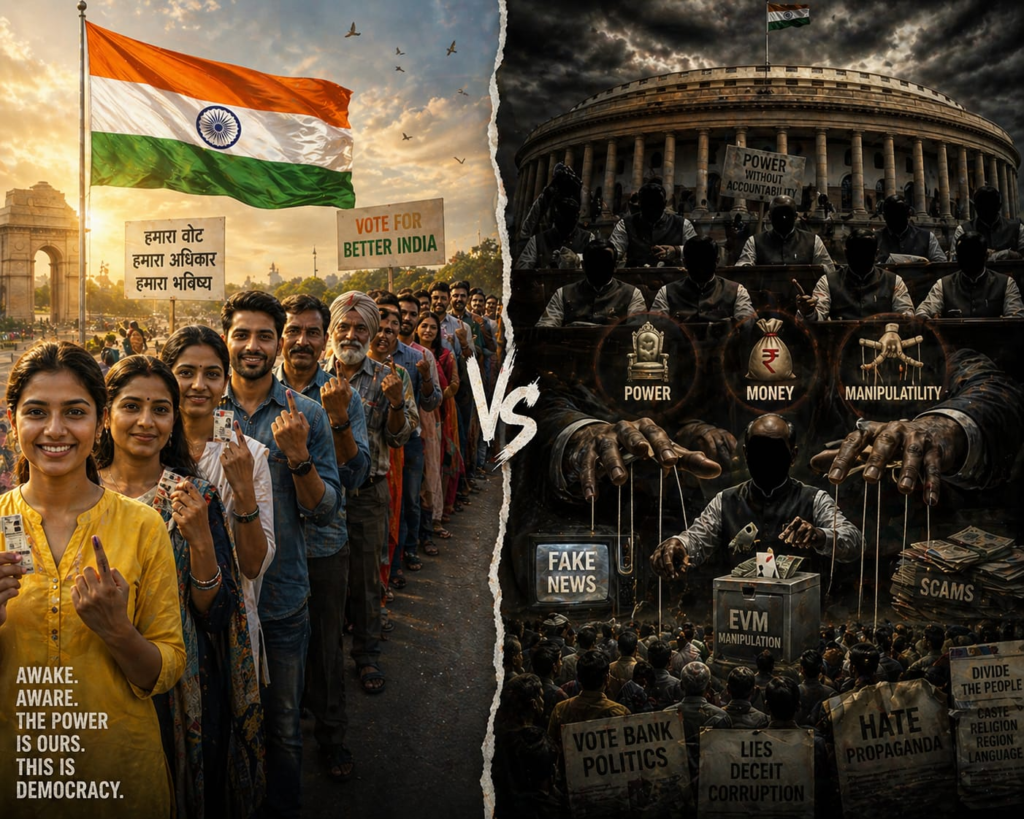
India is a democratic nation, meaning that the public exercises its franchise to elect its most powerful leaders. In India, citizens cast their votes every five years to choose their representatives. While the act of voting to elect leaders ensures that every individual’s voice matters, the process also presents significant challenges—such as corruption, caste- and religion-based politics, and unfulfilled promises.